Friday, March 23, 2018 — Lóa fiðurgisin

Engis biður ein á strönd
— elsk að friði— þysinn,
Stor­mak­lið né lýð um lönd
lóa fiður­gisin.

[Alone on the beach, the feath­ers worn and shab­by, the peace lov­ing bird tries to evade the noise and the storms that blow through the lands.]

̶ Guð­mundir Friðjónsson

The above is from an amaz­ing record­ing of rímur sung by Steindór Ander­sen, a renowned kvæða­maður, or tra­di­tion­al chanter. This verse is from an old record­ing, but it is fol­lowed by addi­tion­al vers­es in a mod­ern, rock-like orches­tra­tion by Hilmur Örn Hilmars­son. Both men have worked with Sig­ur Rós. The sen­ti­ment is appro­pri­ate to my inves­ti­ga­tions in Ice­land. This small, peace-lov­ing island coun­try has weath­ered many storms blow­ing across the sea from pow­er­ful con­ti­nen­tal tem­pests. While mis­takes have been made, Ice­land is a place where peo­ple seem to believe that prob­lems can be solved. This atti­tude is in sharp con­trast to the mor­bid pas­siv­i­ty and defeatism that enshrouds some of the larg­er and loud­er nations. To under­stand this, I’ve been speak­ing with a vari­ety of Ice­landers. It is just a first step. I have been mere­ly intro­duc­ing myself and estab­lish­ing some rap­port so that these issues can be explored in greater depth by cor­re­spon­dence. It has proven both infor­ma­tive and delight­ful. The egal­i­tar­i­an Ice­landers care not that I have lit­tle pres­tige — I’m mere­ly a curi­ous Cana­di­an. Peo­ple rang­ing from civic and nation­al politi­cians and civ­il ser­vants to aca­d­e­mics, musi­cians, and film­mak­ers, have all giv­en me pre­cious time and hon­est talk. I must thank, among them, Ásgrí­mur Sver­ris­son, Kári Gun­nars­son, Sveinn Guð­munds­son, Herdis Sig­ur­jons­dot­tir, Ste­fán Bal­durs­son, Sibeso Imbu­la, and Sig­urður Bjorn Blondal. There will be oth­ers to thank in the days to come.

Solv­ing the prob­lems that face a nation is not served by con­coct­ing utopias, but by observ­ing sound prin­ci­ples of fair­ness and rea­son. I was delight­ed that every­one I spoke with seemed to take that approach. There was no whin­ing. As one of my infor­mants observed, in the wake of the finan­cial cri­sis of 2008 some of the peo­ple respon­si­ble for the deba­cle were lat­er instru­men­tal in cor­rect­ing it. Appar­ent­ly, the well-being of the coun­try in the end over­ruled stub­born pride. This was a remark­able point to make. Every nation, like every extend­ed fam­i­ly, has its fools, and even the wis­est have their moments of fool­ish­ness. But it is a strong fam­i­ly indeed that has fools who learn from their fol­ly. When I was in Ice­land the first time, short­ly after the cri­sis, I did not find peo­ple in a pan­ic or a rage. I found peo­ple who knew that they had made mis­takes, and were deter­mined to cor­rect them. Now that I am back, I see the results of those efforts, and they are impres­sive. Cana­di­ans could learn from this. We are not a small, tight­ly bound togeth­er coun­try like Ice­land. Indeed, we are loose and sprawl­ing, with many fac­tions bare­ly aware of each oth­ers’ exis­tence. But we are not a tor­pid giant like our neigh­bour to the south, and not con­demned to moral and intel­lec­tu­al paral­y­sis — unless we so choose.

We are now enter­ing a time of much greater per­ils than mere stock mar­ket crash­es. We will have to step nim­bly to survive. 

Friday, March 9, 2018 — Ghosts and Zombies

18-03-09 - BLOG DraugrAccord­ing to the Eyr­byg­g­ja Saga, when the Ice­landic penin­su­la of Snæfell­snes was plagued with ghosts and zom­bies (specif­i­cal­ly Thorir Wood­en-leg and his undead com­pan­ions) dis­rupt­ing dai­ly life and harm­ing the econ­o­my, Snor­ri Þor­gríms­son solved the prob­lem by tak­ing them to court and sub­mit­ting them to tri­al by jury. Always the pro­ce­du­ral­ist, Snor­ri was best known for his fair judge­ments in cas­es of blood feuds, bound­ary dis­putes and the end­less squab­bles over fire­wood. The zom­bie prob­lem was just anoth­er such case. The Eyr­byg­g­ja Saga is not one of the best known of the Ice­landic sagas, but it would appeal to any lawyer or polit­i­cal jour­nal­ist. I read it in 1992, and then twen­ty years lat­er I hiked exten­sive­ly in Snæfell­snes, tread­ing foot­steps in most of the places the saga men­tions. I’m return­ing to Ice­land ten days from now, for anoth­er vis­it to that mag­i­cal lit­tle coun­try, so it’s much on my mind, and so is old Snor­ri. Today, Cana­da is men­aced by a plague of ghosts and zom­bies, orig­i­nat­ing south of the bor­der. The ghosts are an assort­ment of old and stu­pid ideas, the zom­bies are the march­ing morons of Trump­ism and the moral­ly cor­rupt leg­is­la­tors of the U.S. (most­ly Repub­li­can, but quite a few Democ­rats as well). We could use a Snor­ri to sort things out. Read more »

Image of the Month: Lava flows in Suður-Þingeyjarsýsla region of Iceland, 2014–15.

18-03-30 BLOG Lava flow

FILMS – FEBRUARY 2018

(Hitch­cock 1928) Champagne
(Graves 2014) Game of Thrones: Ep.38 ― The Moun­tain and the Viper
(Duf­fer 2016) Stranger Things: Ep.7 ― The Bathtub
(Dante 2014) Trail­ers from Hell: Joe Dante on Mr. Arkadin
(Welles 1955) Mr. Arkadin
(Duf­fer 2016) Stranger Things: Ep.8 ― The Upside Down
(Brooks 1974) Young Frankenstein
Read more »

First-time listening for February 2018

24995. (Ahmed Adnan Say­gun) Vari­a­tions on the Folk Song “Kâtibim” for Cho­rus from Op.22
24996. (Five Day Week Straw Peo­ple) Five Day Week Straw People
24997. (Frank Zap­pa) Uncle Meat
24998. (Leoš Janáček) Osud [Des­tiny aka Fate] [com­plete opera, sung in Czech; d. Jílek;
. . . . . Pribyl, Hajossyova]
Read more »

READING — FEBRUARY 2018

23819. (Michael Wolff) Fire and Fury: Inside the Trump White House
23820. (Natascha Mehler et al) The Elu­sive Norse Har­bours of the North Atlantic: Why they
. . . . . Were Aban­doned, and Why they Are so Hard to Fing [arti­cle]
23821. (Siân Ellen Hal­crow & Stacey Maree Ward) Chil­dren in Bioar­chae­ol­o­gy and Forensic
. . . . . Anthro­pol­o­gy [arti­cle]
Read more »

First Meditation on Democracy [written Wednesday, July 25, 2007] REPUBLISHED

https _s-media-cache-ak0.pinimg.com_736x_ee_59_33_ee593300e425c02784549e0228c025e1In the begin­ning years of this blog, I pub­lished a series of arti­cles called “Med­i­ta­tions on Democ­racy and Dic­ta­tor­ship” which are still reg­u­larly read today, and have had some influ­ence. They still elic­it inquiries from remote cor­ners of the globe. They are now buried in the back pages of the blog, so I’m mov­ing them up the chrono­log­i­cal counter so they can have anoth­er round of vis­i­bil­ity, espe­cially (I hope) with younger read­ers. I am re-post­ing them in their orig­i­nal sequence over part of 2018. Some ref­er­ences in these “med­i­ta­tions” will date them to 2007–2008, when they were writ­ten. But I will leave them un-retouched, though I may occa­sion­ally append some ret­ro­spec­tive notes. Most­ly, they deal with abstract issues that do not need updating.


18-02-10 BLOG First Med pic 1

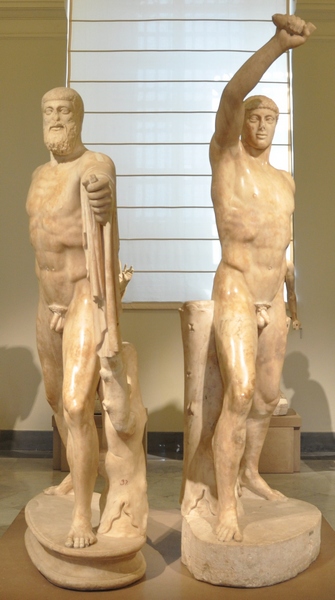
Har­mod­ius and Aris­to­geiton, the gay cou­ple whom the Athe­ni­ans regard­ed as the founders of their democracy

All philoso­phies stand on choic­es that can­not be jus­ti­fied by proof. Any ama­teur Socrates can demon­strate that I can’t prove that two and two are four, or that free­dom is desir­able, or even that I exist. Ulti­mate­ly, ideas, no mat­ter how pas­sion­ate­ly held, rest on assump­tions that can­not be known with absolute cer­tain­ty. It does not fol­low from this that we should avoid act­ing on sig­nif­i­cant assump­tions, or that we should aban­don the analy­sis of ideas. If I’m stand­ing in the mid­dle of the street, and see a twelve-ton truck hurtling in my direc­tion, I don’t stand there, par­a­lyzed by epis­te­mo­log­i­cal uncer­tain­ty. I jump out of its way. Lat­er, seat­ed on a com­fort­able couch, with a cold beer in my hand, I might indulge in the lux­u­ry of reflect­ing that the truck may have been an illu­sion, or that I can­not prove with cer­tain­ty that being hit by a truck is worse than not being hit by a truck. All of us must choose our basic assump­tions, either in a con­scious process, guid­ed by rea­son, or unconsciously.

This is a med­i­ta­tion on democ­ra­cy, and democ­ra­cy only becomes a coher­ent idea when it rests on the assump­tion that human beings have rights. This, in turn, rests on the assump­tion that there is a moral dimen­sion to the uni­verse. Out­side of these assump­tions, polit­i­cal thought becomes arbi­trary. If indi­vid­ual human beings have no rights, then what­ev­er hap­pens is self-suf­fi­cient­ly jus­ti­fied, and any state of affairs that human beings find them­selves in is as desir­able as any oth­er. Effec­tive­ly, if there is no moral dimen­sion to the uni­verse, then it is a mat­ter of indif­fer­ence what hap­pens. Events just come to pass ― say, the Holo­caust, or the Slave Trade, or Abu Graib ― and there is no point in dis­cussing them. It is point­less to seek jus­tice or defy injus­tice, because the very idea of jus­tice depends on the assump­tion of a moral­i­ty that rests upon some­thing more sub­stan­tial than cus­tom or whim. In the absence of moral choice, peo­ple seek some sense of order in human affairs through some amoral orga­niz­ing prin­ci­ple. Loy­al­ty to a group, obe­di­ence to author­i­ty, or the famil­iar­i­ty of rit­u­al become sub­sti­tutes for eth­i­cal con­science. Read more »

The Rough Guide to the Music of the Sahara / North African Groove

18-02-05 LISTN The Rough Guide to the Music of the Sahara North African Groove pic 2

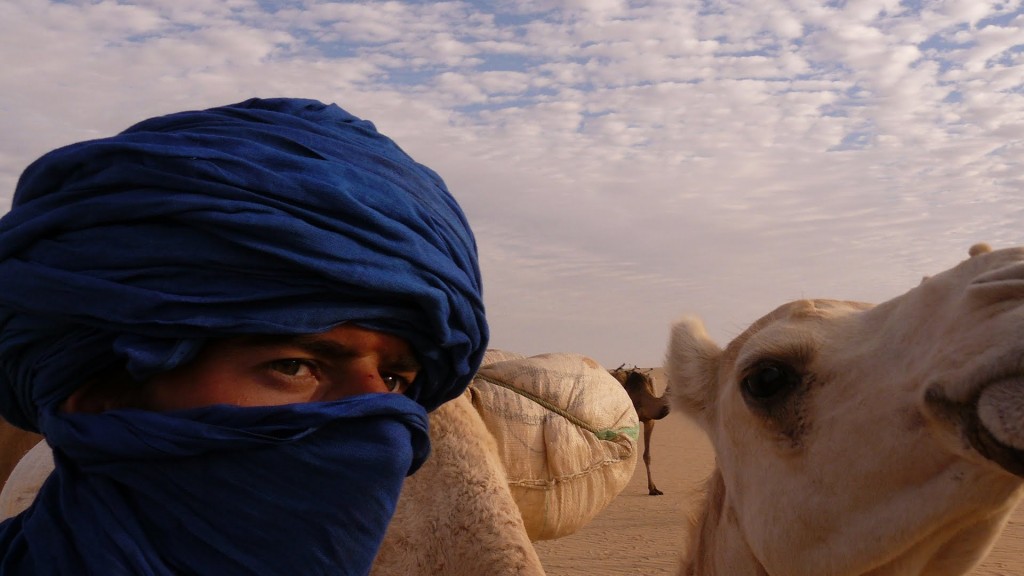
These two albums form a fine intro­duc­tion to a world of music which is now famil­iar to Euro­peans, but still hid­den from most lis­ten­ers in North Amer­ica. The Sahara Desert has often been com­pared to a sea ― blend­ing influ­ences and stim­u­lat­ing the dis­parate cul­tures along its shores. The sailors are the tribes of the desert: the Tuareg, the enig­matic Teda, and the var­i­ous “arab” tribes, such as the Ikoku Nema­di, Bithan, and She­wa (these last all speak vari­eties of Ara­bic incom­pre­hen­si­ble to stan­dard Ara­bic speak­ers, and even to the speak­ers of col­lo­quial Maghribi Ara­bic in Moroc­co or Alge­ria. Cul­tur­ally and bio­log­i­cally, they are of the Sahara, like the Tuareg, not mere­ly trans­planted badawī [ بدوي ] from Arabia.).18-02-05 LISTN The Rough Guide to the Music of the Sahara North African Groove pic 1

If you have read Frank Herbert’s Dune, you can get some notion of the Tuareg. The Fre­men tribes in that nov­el were pat­terned on them. They speak lan­guages in the Berber fam­ily, dim­ly relat­ed to Ancient Egypt­ian. “Berbers” refers to the seden­tary peo­ple who inhab­it ancient towns and cities of North Africa (St. Augus­tine was the most famous Berber), but the desert Tuareg are relat­ed to them lin­guis­ti­cally. Noth­ing can real­ly con­vey the stark sever­ity, and the poet­ry of life among the “peo­ple of the blue veil”, but you can get a hint of it from the band Tinari­wen, who aban­doned desert war­fare with the cease­fire at Tim­buktu to start a record­ing career in the late 1990’s. Oth­er Tuareg groups, Chet Féw­er, Kel Tin Lok­i­enne, and the Tar­tit Ensem­ble, are also present on the album. They rep­re­sent tribes far dis­tant from each oth­er. Some of the “Arab” tribes are present, as well. The towns on the shore of the sand are rep­re­sented by a vari­ety of groups and singers (Mal­ouma, Com­pag­nie Jel­louli, Sahraoui Bachir), and there is one singer in the Song­hai lan­guage from Tim­buktu, Seck­ou Maï­ga. The remote Teda of the Tibesti are not rep­re­sented ― a sad lack, because their evoca­tive “call and answer” odes, between female singers and male play­ers of the stringed keleli are haunt­ingly beau­ti­ful. But the Teda have not been drawn into the glob­al com­mu­nity in the way that the Tuareg have sud­denly been, and still remain inaccessible.

All this stuff is much more exot­ic than the Raï music and the Egypt­ian pop music on the Puta­mayo World Music col­lec­tion North African Groove. Dis­cos all over Europe have become filled with Raï’s won­der­ful back-beat-heavy com­bi­na­tion of tra­di­tional North African musics with Amer­i­can funk, sal­sa, French cabaret, and every­thing else imag­in­able. Super­stars such as Cheb Mami (singing the delight­ful “Viens Habibi”) and Khaled are rep­re­sented on this album, and it is a good intro­duc­tion to the North African pop scene.

If you lis­ten to these two albums one after the oth­er, you will get a sense of the intri­cacy and his­toric depth of this musi­cal land­scape. It would be like play­ing an archa­ic moun­tain dul­cimer bal­lad from West Vir­ginia, “Saint James Infir­mary”, “City of New Orleans”, Chuck Berry’s “Roll Over Beethoven”, and a Hen­drix solo, one after another.

Image of the month: John Brunner — Ace paperback

#B! (1466)

FILMS – JANUARY 2018

(Pal 1960) The Time Machine
(Taran­ti­no 2012) The Uni­verse: Ep.72 ― How Big, How Far, How Fast
(Trelfer 2017) Undead 32: Mer­ry Christ­mas ― Basi­cal­ly a Lot of Mind­less Chatter
Read more »