24958. (Michael J. Crowe) The Extraterrestrial Life Debate, 1750–1900
24959. (Mark Maguire & A. Jamie Saris) Enshrining Vietnamese-Irish Lives [article]
(David W. Anthony ‑ed.) The Lost World of Old Europe ― The Danube Valley,
. . 5000–3500 BC:
Read more »
Category Archives: B - READING - Page 6
READING — AUGUST 2022
Posted by Phil Paine
on August 31, 2022
No comments
READING — JULY 2022
Posted by Phil Paine
on July 31, 2022
No comments
24943. (Chris Loendorf, et al) Eastern Puebloans on the Middle Gila River: The Middle
. . . . . Rio Grande Diaspora and Periodic Changes in Cultural Traditions [article]
24944. (Steven A. Cook) False Dawn: Protest, Democracy, and Violence in the New
. . . . . Middle East
24945. (Natalia Bichurina & James Costa) Nommer pour faire exister: l’épineuse
. . . . . question de l’oc [article]
24946. (Eleanor Brockett) Persian Fairy Tales [ill. Harry Toothill]
24947. (Adam B. Rohrlach, et al) Using Y‑chromosome Capture Enrichment to Resolve
. . . . . Haplogroup H2 Shows New Evidence for a Two-path Neolithic Expansion
. . . . . to Western Europe [article]
24948. (Nile Green) The Survival of Zoroastrianism in Yazd [article]
24949. (Paul Dans & Steven Groves –ed.) Project 2025 ― Mandate for Leadership
24950. (William Shurtleff & Akiko Aoyagi) The Book of Tofu ― Food for Mankind
24951. (Tommy Tse, Victor Shin & Ling Tung Tsang) From Shanzhai Chic to Gangnam
. . . . . Style: Seven Practices of Cultural-Economic Mediation in China and Korea
. . . . . [article]
24952. (Kevin G. Hatala, David A. Perry & Stephen M. Gatesy) A Biplanar X‑ray Approach
. . . . . for Studying the 3D Dynamics of Human Track Formation [article]
24953. (Randy Bachman) Randy Bachman’s Vinyl Tap Stories
24954. (Karen S. Rubinson) The Context{ualization} of Art in Non-Literate Societies:
. . . . . Armenian Middle Bronze Age Images and Animal Bones [article]
24955. (John Holt) Freedom & Beyond
24956. (P. M. N. Hitchings, et al) A Baysian Approach to Archaeological Survey in
. . . . . North-west Jordan [article]
24957. (Richard J. Needham) The Hypodermic Needham
READING — JUNE 2022
Posted by Phil Paine
on June 30, 2022
No comments
24927. (Christophe Picard) Sea of the Caliphs ― The Mediterranean in the Medieval
. . . . . Islamic World
24928. (Kolbjørn Engeland, et al) New Flood Frequency Estimates for the Largest
. . . . . River in Norway Based on a Novel Combination of Streamflow‑, Historical‑,
. . . . . and Paleo-data [article]
24929. (Alfredo Mederos Martín) El santuario fenicio de la calle Méndez Núnez-plaza
. . . . . de las Monjas y el inicio de los asentamientos fenicios en la península
. . . . . Ibérica [article]
24930. (María Rosa Menocal) The Ornament of the World ― How Muslims, Jews, and
. . . . . Christians Created a Culture of Tolerance in Medieval Spain
24931. (Stephen O’Shea) Sea of Faith ― Islam and Christianity in the Medieval
. . . . . Mediterranean World
24932. (Torben Bjarke Ballin) Radiocarbon-dating ― Is the Humble Hazelnut Shell
. . . . . Archaeology’s “Silver Bullet” or Not? [article]
24933. (Somdeep Sen) Race, Racism, and the Teaching of International Relations
. . . . . [article]
24934. (Jeff Hearn, et al) Violence Regimes: A Useful Concept for Social Politics,
. . . . . Social Analyis, and Social Theory [article]
24935. (Christine Caldwell Ames) Medieval Heresies: Christianity, Judaism, and Islam
24936. (Stevan Springer & Pascal Gagneux) De nouvelles variations génétiques
. . . . . préservent les facultés cognitives des personnes âgées [article]
24937. (Frederique Darragon) The Lang Xian Thousand Year Old Grooved Towers ―
. . . . . A Possible Connection with the Lang Xian Ancient Tombs and/or the Lhodra
. . . . . Grooved Towers [article]
24938. (Avishai Margalit) On Compromise and Rotten Compromises
24939. (Mark J. Kaswan) Cooperatives and the Question of Democracy [article]
24940. (Jacob Lassner) Jews, Christians, and the Abode of Islam
24941. (Élise Luneau) Effondement ou évolution de la civilisation de l’Oxus? Une
. . . . . révision de la transition de l’âge du Bronze à l’âge du Fer en Asie
. . . . . centrale méridionale [article]
24942. (Barry N. Malzberg) Herovit’s World
READING — MAY 2022
Posted by Phil Paine
on May 31, 2022
No comments
24889. (Shen Congwen) Border Town [边城]
24890. (Stefan Dreibrodt, et al) Earthworms, Darwin and Prehistoric Agriculture ―
. . . . . Chernozem Genesis Reconsidered [article]
24891. (Primitiva Bueno Ramírez & Rodrigo de Balbín Behrmann) The End of the Ice Age
. . . . . in Southern Europe: Iberian Images in the Paleolithic to Post-Palaeolithic
. . . . . Transition [article]
(William M. Breiding ‑ed.) Portable Storage Seven ― The Great Sercon Issue, Part Two
. . . . 24892. (William Breiding) The Editor Gets Jiggy [preface]
. . . . 24893. (Christina Lake) Uncanny Sleepers and Dreams of Utopias Past [article]
. . . . 24894. (D. S. Black) Flâneur in a Quantum State: Rome-Gnosis at the Mountains . . . . . . . . . of Machen-ness [article]
Read more »
READING — APRIL 2022
Posted by Phil Paine
on April 30, 2022
No comments
24876. (Gary O. Rollefson & Zeidan Kafafi) The 1996 Season at ‘Ayn Ghazāl: Preliminary
. . . . . Report [article]
24877. (Alexander Refsum Jensenius) Sonic Microinteraction in “the Air” [article]
24878. (Efem N. Ubi & Vincent Ibonye) Is Liberal Democracy Failing in Africa or Is Africa
. . . . . Failing under Liberal Democracy? [article]
24879. (Konstantinos Kopanias & Giota Barlagianni) Unequal in Life but Equal in Death?
. . . . . The Mortuary Evidence for Social Stratification in the Ubaid Polities [article]
24880. (Seth Brewington, et al) Islands of Change vs. Islands of Disaster: Managing Pigs
. . . . . and Birds in the Anthropocene of the North Atlantic [article]
Read more »
Tuesday, April 19, 2022 — The Secret Path
Posted by Phil Paine
on April 19, 2022
No comments
I am for the wolf, pitch-black and yellow eyes
This is the only place to be
For the raven arriving first to get my eyes
This is the only place to be
And I’m for the poor sun, always against the mindless night
This is the only place to be
And I’m for the wind, in the pale blue sky
This is the only place to be
On this earth-like world
It’s cold and real
And with a sun-like star
You can feel
I’ll just close my eyes
I’ll just catch my breath
This is the only place to be
[“The Only Place to Be” — 9th song from The Secret Path)]
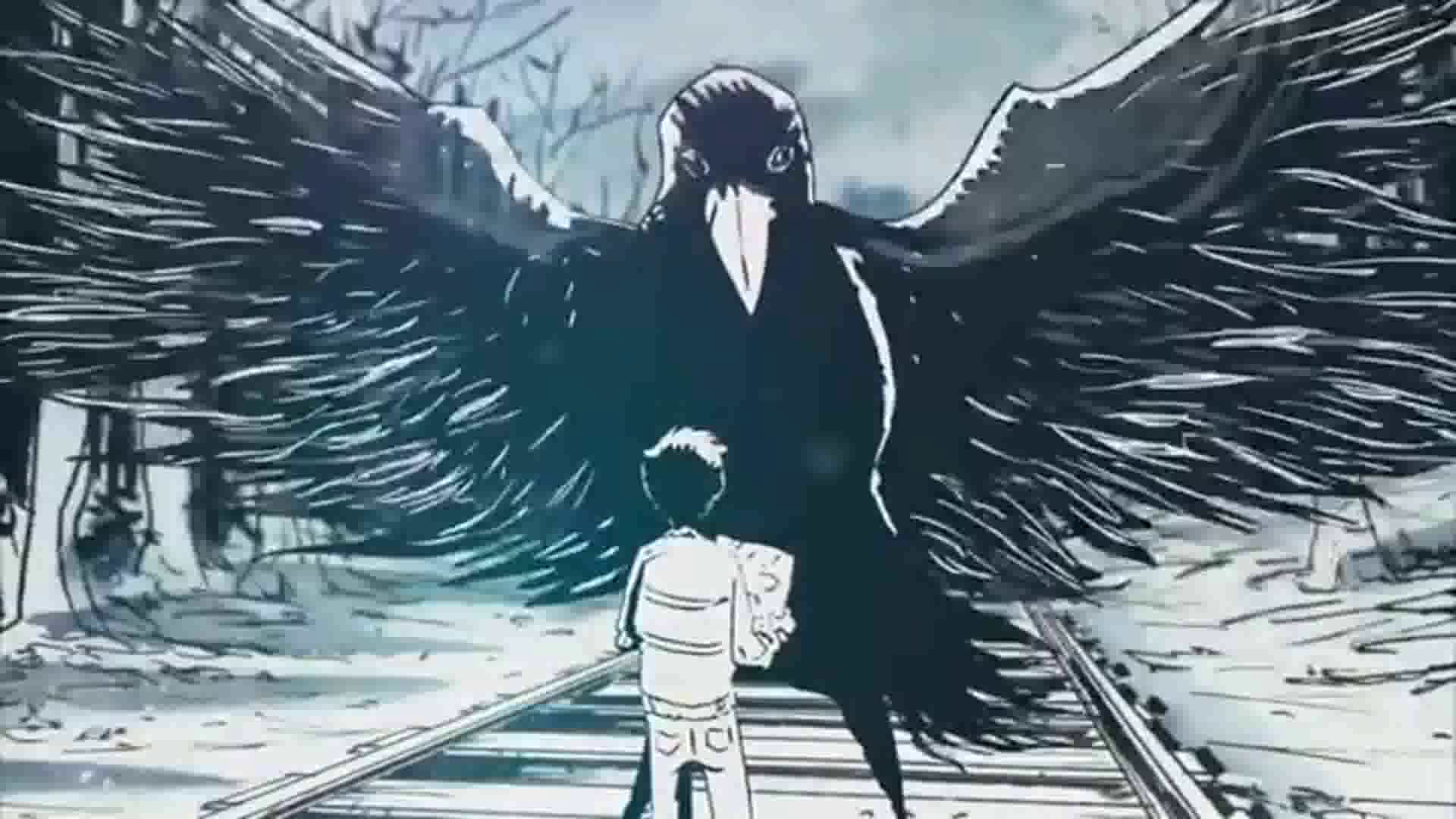 I finally saw the film component of The Secret Path. I heard all of the songs on Gord Downie’s album when it was released in October of 2016, and liked them, but I did not see the film. Now I have. This would be something that I would not have to explain to most Canadians, and something that I would certainly not need to explain to anyone from Canada’s First Nations. However, the readers of my blog are international, and most are unfamiliar with Canada’s peculiar low-profile culture, so I will explain some things for their sake.
The Tragically Hip are a rock band that was tremendously popular in Canada throughout its career, but apart from a couple of briefly successful singles never broke out into the American or global markets. Not everyone in Canada likes the band, but everyone is aware of it. It’s not my favourite band, or even my favourite Canadian band, but I listen to it fairly often, when it suits my mood. But I can tell you from the experience of hitch-hiking across the country that the people who were likely to give me a ride, when I stood forlorn and mosquito-bitten on the dusty shoulder of the Trans-Canada Highway, like as not had a Hip cassette playing in their car or truck, and a bunch of them scattered on the front seat, which they hastily gathered up to let me sit. The Hip began the usual way, a handful of high school buddies starting a band and working their way up playing local joints in the small city of Kingston, Ontario. The early songs were striking, and well played, though not particularly ambitious in their arrangements. An early hit, “Blow at High Dough”, has a pretty basic chord pattern and chug-along rhythm guitar and slide guitar, and depends mostly on the peculiarity of Downie’s voice and his enigmatic lyrics to hook the listener. As time went on, guitarists Paul Langlois and Rob Baker, bassist Gord Sinclair, and drummer Johnny Fay picked up greater and greater skill, and attempted subtler and more ambitious technique, while Gord Downie’s lyrics became more and more poetic. But the Hip always behaved and played like a really good bar band. Their subject matter —- the world from the point of view of the small-town underdog, had the peculiar mixture of concern for the environment, outrage at social injustice, ghostly snatches of dreamlike imagery, along with pickup trucks, junior hockey and getting drunk at the town curling rink that appealed to Canadians and felt Canadian. For example, “Wheat Kings” was told from the point of view of David Milgaard, who served twenty years in a Manitoba prison, wrongfully convicted of murder:
There’s a dream he dreams where the high school’s dead and stark
It’s a museum and we’re all locked up in it after dark
The walls are lined all yellow, grey and sinister
Hung with pictures of our parents’ prime ministers
Wheat kings and pretty things
Wait and see what tomorrow brings
and this theme is even stronger in “38 Years Old”, set in an Ontario prison:
Same pattern on the table, same clock on the wall
Been one seat empty, eighteen years in all
Freezing slow time, away from the world
He’s thirty-eight years old, never kissed a girl
If you’ve ever heard Neil Young’s “Helpless” or Joni Mitchell’s “Raised on Robbery”, for example, you can guess that this sort of thing has long formed the core of musical sensibility in Canada. Nobody here sings about their lamberghinis or designer watches or what macho dudes they are. Canadians laugh at braggarts. By the time Downie wrote “Ahead By a Century” in 1996 , with its erotic dream of two teenagers climbing a tree together to make love and figure out their destiny, the lyrics were way past the conventions of either pop song writing or storytelling. But the song had been worked out from impromptu jam sessions done as early as when they first performed “New Orleans Is Sinking”.
Stare in the morning shroud
And then the day began
I tilted your cloud
You tilted my hand
Rain falls in real time
And rain fell through the night
No dress rehearsal, this is our life
But that’s when the hornet stung me
And I had a serious dream
With revenge and doubt
Tonight, we smoked them out
In 2012, after decades of solid success, The Hip played in Fort Albany, Ontario, population a smidge over 2,000 ― hardly a money-making venue ― sharing the stage with a local band. Fort Albany and Kashechewan First Nations live mostly by traditional trapping, hunting and fishing, and their small population variously speaks Cree, Ojibway, English, French, and Oji-Cree (a sort of compromise between the first two). The town is accessible only by bush planes and, in mid-winter, by a long and dangerous ice road drivable only by specially trained truck drivers. It was here that Gord Downie learned the story of Chanie Wenjack, a twelve-year-old boy from Ogoki Post, a tiny upstream First Nations village, who escaped from mistreatment at one of the notorious Residential Schools and died of hunger and exposure while attempting to walk 600 kms back home. It also began a kind of spiritual bond between The Hip and First Nations that would grow steadily deeper.
In 2015, Downie was diagnosed with a fatal brain cancer, with the expectancy of soon and certain death. The band was determined to keep playing til the end, and their last concert, in their home town of Kingston, was broadcast cross-platform and nationwide to an estimated audience of one third of the country’s entire population. This included every single living person in the town of Bobcaygeon, the setting and title of one of their best songs. After thirty songs and three encore sets, they finished with “Ahead By a Century.” But Downie also had a special solo project in mind. This was The Secret Path, which was to be much more than the album of ten songs that Downie composed. It was packaged with a graphic novel which Downie wrote and was illustrated by celebrated DC and Marvel comics artist Jeff Lemire, an animated film version of the graphic novel directed by Downie, and a suite of related instructional materials for public schools. These were presented together in concert at Roy Thompson Hall in Toronto on October 2016, with Chanie Wenjack’s surviving sisters present. This was Gord Downie’s last public performance. He died on October 17, 2017. The Prime Minister called a special press conference, in which he announced the death of “our buddy Gord, who loved this country with everything he had…”
 As I said, I heard the album when it came out. I did not know what to expect, but I ended up watching it with a friend and restraining tears, because Secret Path is not only a fine piece of animation, but it touches on many parts of my life. The songs have a peculiar, repetitive and almost droning quality, with no fancy licks or catchy tunes, and an odd absence of cadence. Now, having seen the film, I understand that these peculiarities are necessary components of the music and the animation taken together. They capture exactly the way young Chanie’s mind must have experienced his desperate journey. I can tell you from experience that in prolonged and overwhelming danger, your brain repeats words and phrases like obsessive tics. You become a rhythmic chant of helplessness and fear, and this is how the boy would have experienced the events that he endured, the memories that swamped him, and the hopeful fantasies that kept him going.
I’ve known several people who went through the same ordeals that Chanie went through at Cecilia Jeffrey Indian Residential School in Kenora, or in any of the 138 other such schools in the country. I’ve known an even greater number of people who were the second generation victims, growing up with parents struggling with severe psychological problems and alcoholism traceable to their abuse in childhood. This always put the lesser troubles of my own childhood in perspective. I’ve been studying the issue most of my life, gathering up what documentation I could get a hold of. There was not much available at first, but in recent years much more objective data and analysis has become available. I am still in the middle of reading massive reports. Why has so much material recently become available? Partly because of the discovery of unmarked children’s graves on the sites of abandoned Residential Schools, which has shocked the nation. But probably more because of Gord’s music, graphic novel and film, and it’s accompanying educational material. These are now teaching aids in many Canadian schools. The profit from them has been spent exclusively on independent associations striving to expose and document this injustice, and to heal the injuries it left behind it. And it created the psychological breakthrough that forced the Canadian public to face up to the truth.
In one part of the animated film, which I did not understand when I only heard the song, we see Chanie desperately using the matches which his mother had given him before he was sent away. This is the third song, “Seven Matches”.
She gave me matches
Seven wooden matches
She put them into a small, slim glass jar
With a screw-top lid
I fingered that jar
I put it in my pocket
She said, ‘Can’t go into the woods without them’
I smiled at her and left
And I kept them dry
And as long as there were six
I’d be fine
As long as there were five
Matches in that jar
Mile after mile
On the chick-chick chick-chick sound of the matches
On the memory of her smile
I kept them dry
And as long as there were five
I’d be fine
As long as there were four
Matches in a jar
With a screw-top lid
I know she did not mean to hurt my feelings
But that’s what she did
And I kept them dry
And as long as there were three
I’d be fine
As long as there were two
Matches in that jar
Knowing that his artistic creation would have to be experienced by young children, and used to teach in school, Downie did not directly refer to the sexual abuse that is known and notorious. Instead, he just concentrates on Chanie’s helplessness and fear expressed through gestures and oblique images. It is, after all, the helplessless and fear that matters, and children are perfectly capable of understanding this. 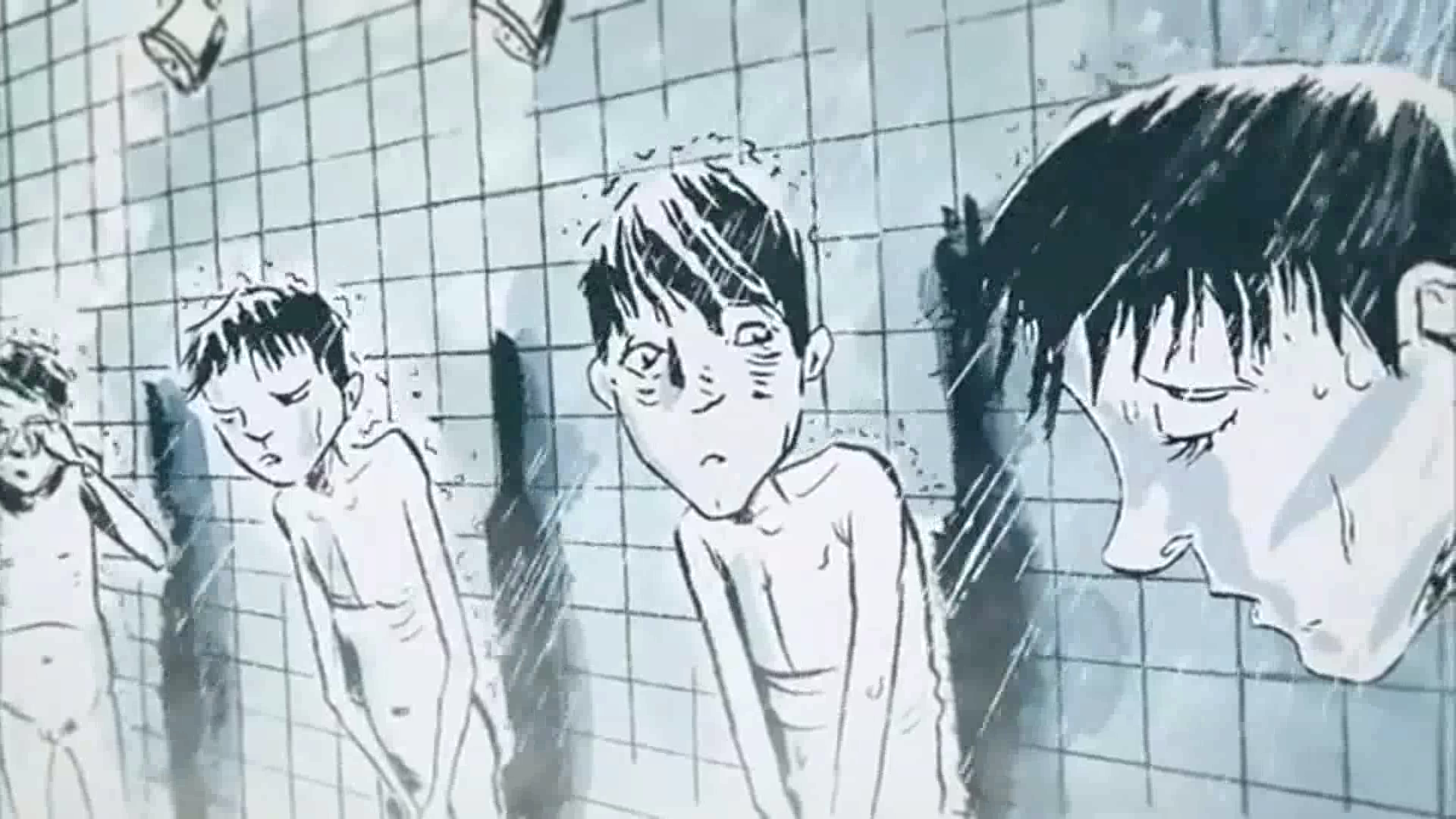
In the second half of the 19th century, Canada’s pioneer and wilderness society was metamorphosing into something more complex. Reformers struggled to establish public education. In the urban and agricultural south, Canada’s First Nations had long been an integral part of its social fabric. Aboriginal names resounded in the country’s military and political history. It was our Mohawk and Ojibway generals who had repelled an American invasion and made the country’s future possible. Seneca and Mohawk farms were as good as, if not better than those of European settlers, and First Nations communities sprouted businessmen, clergymen, athletes, scholars, writers and poets. But in the northern wilderness, it was a different story. Aboriginal life in the big empty part of Canada (most of the country) remained traditional, and communities were tiny, scattered, and remote. It seemed logical to bring education to these communities by means of boarding schools, which would mean removing kids from their families. The reformers no doubt were modelling this enterprise on the famed Mohawk Institute, founded as early as 1831. It was also taken for granted that the Churches were both the natural source of teachers and the unquestionable fountainhead of morality. This was to turn what began as a movement of progressive reform into a totalitarian nightmare of abuse and torment. The First Nations of the North were familiar with sympathetic missionaries, who were usually pious men who learned their languages, defended their interests, and respected their way of life. The people who ultimately ran these Residential Schools were nothing like that. They were strict and fanatical ideologues who saw an opportunity to have total authority over helpless kids that they could mould as they wished into whatever they wished. And the Government would pay them to do it! Pay by the head. And the Government would not make any effort to oversee or question them, since the moral probity of the Anglican, Catholic and Presbyterian Churches could not be questioned. On top of that, the attitudes of Canada’s ruling elite underwent a not-so-subtle transformation in the last quarter of the century. With cheap trans-Atlantic steamers, it became possible for Canada’s rich to send their kids to school in Britain, or even Continental Europe. Many returned stuffed with the “modern” and “scientific” ideas of racial and cultural superiority and inferiority, which had previously had little influence in Canada’s egalitarian backwoods culture. Even when Canada’s new elite were aware of the nasty things going on in the Residential Schools, they did not disapprove. This attitude would hold for a half a century, with only a handful of voices raised in opposition. And as Canada became more urban and industrial, whatever happened in the northern hinterlands seemed of little consequence.
For much of Canada’s older generation, First Nations issues seem to be nothing but an endless cycle of bickering over old treaties and occasional flair-ups where the people in some remote village in the bush block a logging road. The “tree huggers” and urban-based activists that ally with them often get most of the coverage and do most of the talking. Canada may never have had “Indian Wars” like the U.S. or systematic deportations and genocidal slaughters, but it has had legal disputes that lasted centuries. For example, the legal status of an entire neighbourhood in downtown Toronto, based on the exact interpretation of Toronto Purchase Treaty 13 with the Mississaugas of the New Credit First Nation signed in 1805, was only sorted out in 2010. As you can imagine, the history of such disputes is so long and complex that it will never be comprehensible to most people.* Despite the regular use of the word “racism” in this context, it really is not appropriate. Canadians are not brought up with any concept of First Nations as being a “race” in the sense that Americans use the word, or to have any particular hostility to them, or contempt for them, or fear of them, nor do they conceive of them as an alien “other”. There are First Nations in every part of Canada, but since they are most prominent in remote non-urban places, and least prominent in the biggest cities, they are mainly tucked into Canadians’ minds as identifiable minor background characters, along with rodeo cowboys, lobster fishermen, high-steel construction workers, and British Columbia’s weed-smoking snow-boarding hipsters (An irony is that First Nations have a significant presence in all four of the groups I just listed). It’s only in some specific communities where the economic interests of a reserve and a nearby town conflict, or where First Nations have a strong showing on skid row, that there is any overt prejudice. And, while many First Nations communities are prosperous, Canada’s wilderness is full of tiny reserves that seem to be in a constant state of financial or environmental crisis. These reserves often stand on land wrapped up in those complex treaties, which were drawn up because Federal and Provincial governments thought the land was worthless, but subsequently found out it was full of oil or diamonds, or gold, or rich fishing grounds, or valuable timber. Keeping their inhabitants from establishing any solid title to these goodies has always been a priority, especially with the Provincial governments that are in thick with the relevant industries. Everywhere, governments present to the public the image that they are giving “handouts”, generous settlements and benevolent charity to First Nations when they are actually only fulfilling the obligations of the treaties that they signed long ago, and doing that grudgingly and stingily at best. Most Canadians of the older generation understand nothing of this, and perceive it as governments giving unfair preference to a subgroup of the nation because of some nebulous wrong in the distant past, which they acknowledge must have happened, but don’t understand why they should be “paying for” now. The facts that Canada has no history of “Indian wars” or forced population removals like the U.S., that First Nations have always served disproportionately in our armed services with great distinction, and that many First Nations communities are prosperous exemplars of the middle class makes the issues of the poor and besieged ones all the more baffling to them.
But there are other kinds of violence and oppression than wars or lynchings, and the most immoral of them are those that victimize children. Stealing somebody’s land may piss them off, snobbery and bigotry may make life a hardship, poverty is a drag, but stealing children from their families and terrorizing them is in another class of evil. It scars them in a way that cuts to their souls, not just their bank accounts. I grew up pretty poor, in an unhappy family, and experienced some nasty stuff well into my teenage years, but it’s just some experience under my belt. It doesn’t hurt me now, and I’m smarter and more empathic because of it. But most of the kids who were dragged away to Canada’s Residential Schools, where they were psychologically, physically and often sexually abused at the most tender and vulnerable age were not able to just tuck it under their belts and write it off to experience. The Residential Schools left a whole generation damaged, and in turn damaged the generation that followed it. The Secret Path was meant to be more than just part of a healing process. It was meant to give the next generation in Canada an understanding of their past, and the most precious gift of all, self-awareness and freedom from delusion. If you are an American who is at this moment confronted with the Republican Party’s attempt to censor and re-write American history in the same way that the Communist Party or the Nazis did, then you hopefully know just how precious is the gift of freedom from delusion.
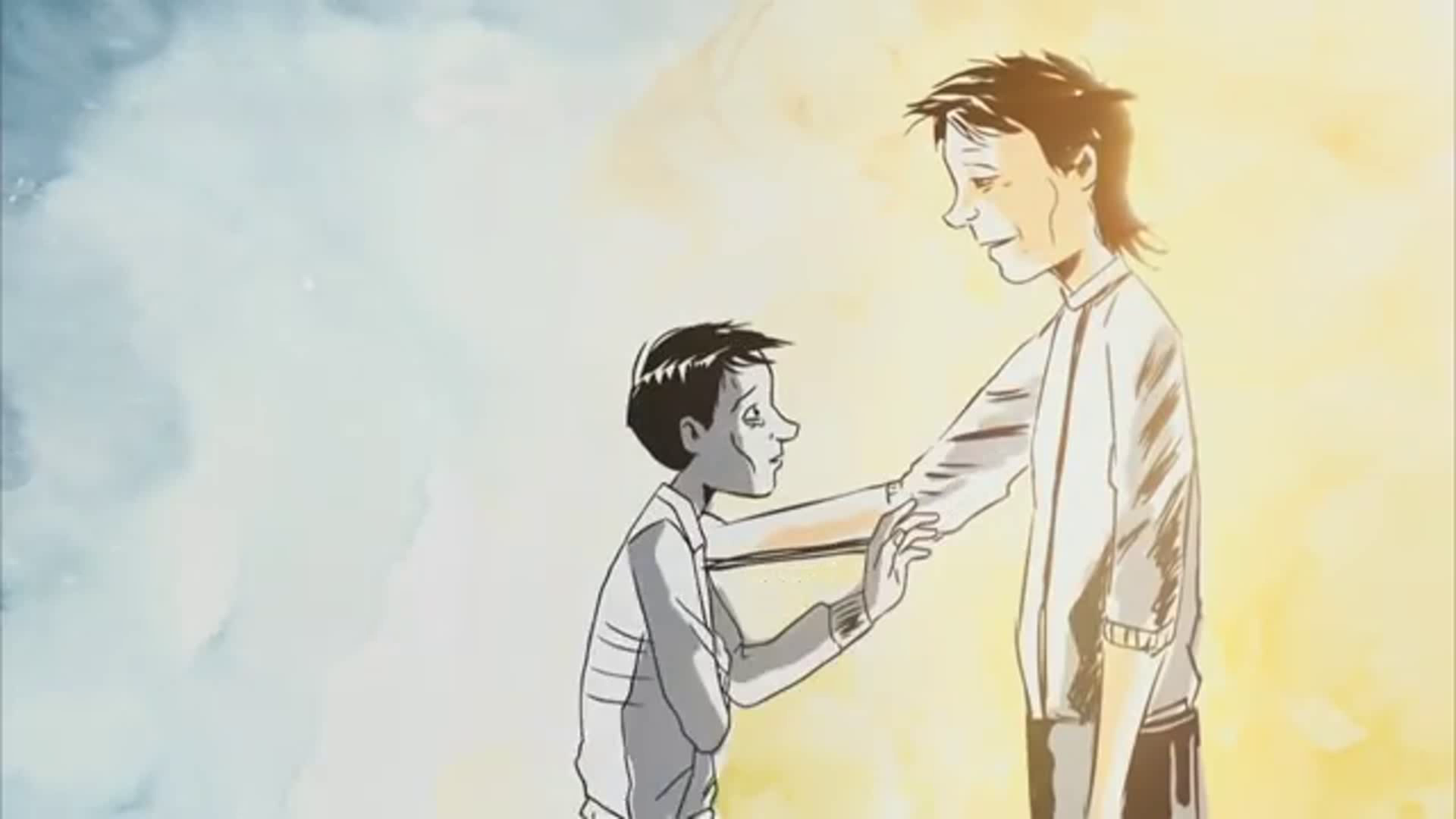
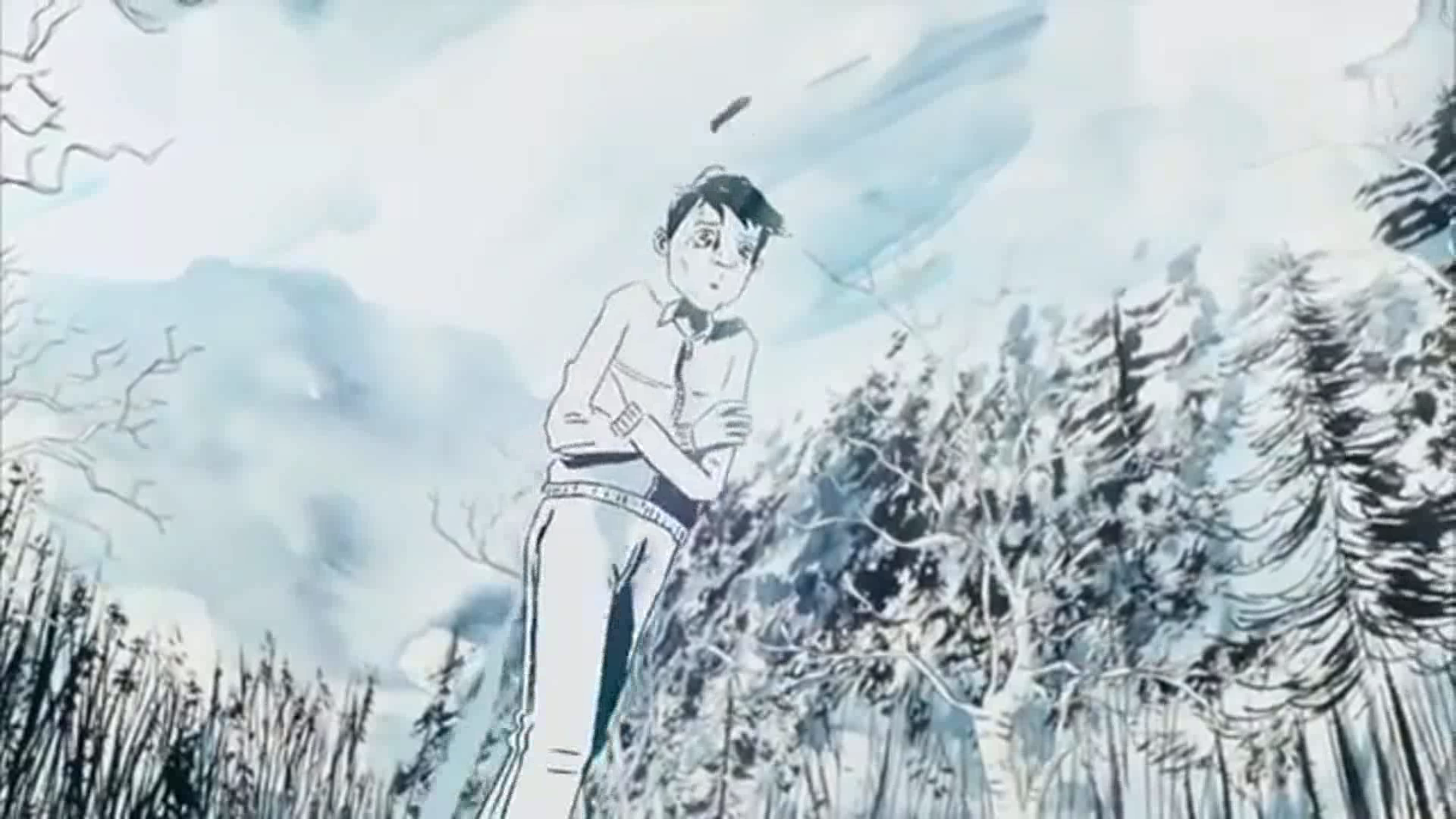 Gord’s project, which he pursued with passion and unbelievable hard work while he was actually dying, was rooted in the fact that he realized that he was an extraordinary lucky man. In fact, he proclaimed this at his last concert: “I am the luckiest man in the world.” Not only had he been gifted with love and respect, but he got to know and determine the style and dignity of his own death. He also knew that these were precisely the things that Chanie Wenjack had been cheated of. When that little boy fled the nightmare world he had been plunged into and ran desperately to get back home to the family that loved him, he was every hero of literature that you should take seriously. But unlike the heroes of art, there was no happy ending, no rendition of justice, no dignified exit.
* The 1805 treaty was almost certainly bogus. In 1787, councils of three groups of Mississaugas were convened at which trade goods were distributed in recognition of their loyalty during the struggle with the Americans, and guaranteeing “right of passage” for new settlers across the area that would eventually become Toronto. By the time of the 1805 treaty, this had been magically transformed into a “document of sale” and only much later was it discovered that the “deed” to Toronto [which meant “carrying place” or “meeting place”] was completely blank, with the marks of three Mississauga chiefs on separate scraps of paper suspiciously sandwiched into it. This proved something of an embarrassment considering the land that it covered is now the third largest urban economy in North America, having displaced Chicago for this position in the last few years. One particularly nagging conflict that has gone on for literally centuries in Canada and has come to the point of violence several times is a dispute over a small patch of land in the suburbs of Montreal that traces back to antagonism between Catholics and Methodists over control of a cemetery.
READING — MARCH 2022
Posted by Phil Paine
on March 31, 2022
No comments
24854. (Stephan G. Stephansson) Selected Prose and Poetry [Úrval úr Verkum Stephans
. . . . . G. Stephanssonar] [Icelandic & English tr. by Kristjana Gunnars]
24855. (A. A. Milne) Winnie-the- Pooh
24856. (Jorrit M. Kelder) Early Ships and the Spread of Indo-European and Anatolian
. . . . . Languages [article]
24857. (Zita Laffranchi, et al) Co-occurrence of Malignant Neoplasm and Hyperostosis
. . . . . Frontalis Interna in an Iron Age Individual from Münsingen-Rain, Switzerland:
. . . . . A Multi-diagnostic Study [article]
24858. (Phillis Wheatley) Memoirs and Poems of Phillis Wheatley [1773–76, 1838 edition]
24859. (Bert Groenewoudt, Gijs Eijgenraam & Menne Kosian) Nieuw bos met oude
. . . . . wortels: onderzoek naar verdwenen bossen [article]
Read more »
Saturday, March 12, 2022 — The Unquiet Spirit That Dreamed Best
Posted by Phil Paine
on March 12, 2022
No comments
I’ve always believed in the dignity of “quiet patriotism”. The more someone waves a flag or shouts slogans, the more suspicious I tend to be that their “patriotism” is half-baked or fraudulant. I do not, for example, think that any Trump supporter can claim to be a patriotic American, no matter how much red-white-and-blue they paint on themselves. They are traitors to their country, plain and simple. Similarly, the spectacle of the fake “truckers” in the ludicrous Karen Karavan that terrorized Ottawa wrapping themselves in Canadian flags (along with their Nazi Swastikas and Confederate Battle Flags) were the exact opposite of patriots. But now and then an incident ― such as 14-year old Kiya Bruno singing “O Canada” in the Cree First Nations language at Blue Jays and Oilers games ― strikes me as a genuine and apt expression of love of one’s country. Sometimes a poem, a painting, a symphony or a song will capture the feeling. It’s hard to listen to Neil Young’s “Helpless” or to look at a Tom Thompson canvas without being touched by it. After all, I do feel that I am part of my country, that I owe it something, and that it’s part of my bones. And I’m well aware that one does not have to be born in Canada, or to abandon or belittle one’s roots elsewhere to feel this way.
So I was delighted to find an example of “quiet patriotism” in a collection of the poems of Stephan G. Stephansson. He did not write in English. He wrote poetry and prose in his native Icelandic, but was for the better part of his life a Canadian. He was born on a farm in the district of Seyluyhreppur, Skagafjörður, Iceland, in 1853. He moved with his family to Wisconsin in 1873, and after a stint as a lumberjack he moved to Alberta in 1888, where he owned a small homestead near present-day Markerville, Alberta until his death in 1927. This was a tiny Icelandic community about 1,250 kms west of the principal Icelandic settlement at Gimli in Manitoba. Now there are two things to remember about this location. The first is that it is one of the most beautiful places in the world. His little farm was on the Canadian Prairies just on the cusp of the foothills of the Rockies, and not far from this little bit of landscape:
 These mountains appear constantly in his poems. The second is that this was no place for the faint of heart, or for seekers of luxury. Pioneering in the Canadian West in the 1890s was harder work than any Canadian is likely to experience today, a world where every trivial journey was on horseback, where the temperature can plummet to ‑50C, and soar to +40C, where tornadoes, hailstorms, terrifying blizzards, and torrential thunderstorms abound, and where a drought or a rise in freight rates at the railhead could quickly bankrupt a farm or ranch. Electricity did not arrive until long after Stephan died. The little Icelandic settlement still exists, in the form of a “hamlet or designated place” with a population of 38. The dairy he helped found is still there. The Lutheran church, painted a brilliant white like most wooden prairie churches, is still kept up. And, the house he built by hand is still there, really very charming in design, fortunately now cared for as an Alberta Provincial Historical Site.
Stephan had complex and mixed feelings about Canada, as he did about Iceland. I know the region he was born in, and it too is a land of natural beauty with a harsh climate. Those wonderful Icelandic ponies, no doubt descended from the one he loved as a child, roam about on grasslands strikingly similar to those of Alberta. But Iceland was soul-crushingly poor when he was born there, especially in a remote corner of the island like Skagafjörður. The country is wealthy now, but the primitive little sod-huts, barely different from those of the Viking Sagas, remain scattered across the barren landscape to charm the tourists. Many Icelanders chose to risk all to start a new life in Canada, confident that their tough upbringing would fit them to take on any challenge it could throw at them. In the end, it seems the hard but free life in Alberta suited Stephan, and he found some peace and satisfaction in the great blue skies and wind-blown grass that shimmered on the foothills of the Rockies. This he celebrated in the poem “Kanada”:
Menn trúðu því forðumm, um staumbarða strönd
þó stormurinn heima við bryti,
að fjarst úti í vestrinu lægju þó lönd,
þar logn eða sólskin ei þryti,
því þar hefði árgæzkan friðland sér fest
og frelsið og mannúðin ― allt sem er bezt.
It was formerly believed, on a sea-battered shore
though the storm at home blasted,
that in the distant west there still lay lands,
where calm and sun never ended,
for there the good season had found its retreat
and freedom and compassion ― all that is best.
Þeim lét ekki sigling, en hugsuðu hátt;
við hafið þeir dreymandi stóðu,
er sól hné að viði í vestriny lágt
í vorkveldsins bláköjjyrnóðu,
þá von manns og langanir líða með blæ
út lognsléttan, sólgylltan, víðfaðman sæ.
They set no sail, but thought high,
by the ocean they dreaming stood,
as the sun slid into the lowest west
in the evening’s blue-misted spring dusk,
then hope and desire glide out with the breeze
on the still-bank, sun-gilt, wide-armed sea.
Þó enn flæði höf, þau sem aðskildu lönd,
er auðfarin leið yfir sæinn.
Og Markland vort, Kanada, hug sinn og hönd
þér heimurinn rétti yfir æginn.
En Hellenum aðeins í óð gaztu birzt ―
en íslenzkum sækonung bauðstu þig fyrst.
Though oceans still food, that separate lands,
the passage across is effortless.
And our Markland, Canada, its genius and care
the world held out to you over the sea,
To the Greeks you could only appear in a poem ―
but to an Icelandic sea king you gave yourself first.
Og enn rennir von manna augunum þreytt
að austan, um þig til að dreyma ―
þú góð reyndist öllum, sem unna þér heitt,
sem eiga hér munuð og heima.
Og allt á þér rætist og rót geti fest,
sem reikula mannsandann dreymt hefur bezt!
Still human hope turns its tired eyes
from the east, to dream about you ―
you proved good to all, who loved you fervently,
who possess here rapture and home.
And all with you is fulfilled and able to root,
which the unquiet spirit has dreamed best.
Kristjana Gunnars has translated a selection of Stephan’s poems that read very well in English. I can sound out the Icelandic from often hearing the language spoken, but of course, I have no idea what this poem sounds like to modern a Icelander. Does it’s style seem quaint or old-fashioned? Does it betray in its style Stephan’s distance from the Icelandic writers of his time? I would be delighted if someone familiar with Icelandic poetry would give me their opinion.
READING — FEBRUARY 2022
Posted by Phil Paine
on February 28, 2022
No comments
24843. (Michael Baigent) Racing Toward Armageddon
24844. (Matthew D. Shortridge, et al) Bacterial Protein Structures Reveal
. . . . . Phylum Dependent Divergence [article]
24845. (Shelby S. Putt, et al) The Functional Brain Networks that Underlie
. . . . . Early Stone Age Tool Manufacture [article]
24846. (David E. Jones) An Instinct for Dragons
24847. (Dorota Pietrzyk-Reeves) Magna Carta and the Rise of Anglo-American
. . . . . Constitutionalism [article]
24848. (Michael Wolraigh) Unreasonable Men ― Theodore Roosevelt and the
. . . . . Republican Rebels who Created Progressive Politics
24849. Fun-Size Beano #84 [comix]
24850. (Johannes Müller, Robert Hoffmann & Mila Shatilo) Tripolye Mega-Sites:
. . . . . “Collective Computational Abilities” of Prehistoric Proto-Urban
. . . . . Societies? [article]
24851. (Nichola Raihani) The Social Instinct ― How Cooperation Shaped the World
24852. (Julian Thomas) Neolithization and Population Replacement in Britain:
. . . . . An Alternative View [article]
24853. (Cathy Gere) Knossos & the Prophets of Modernism
READING — JANUARY 2022
Posted by Phil Paine
on January 31, 2022
No comments
Unknown Worlds of Science Fiction, Vol.1 #3, May 1975:
. . . . 24827. (Roy Thomas) A Night at the Space Opera [editorial]
. . . . 24828. (Tony Isabella [text], Gene Colan [art] & Frank Chiaramonte [art])
. . . . . . . . . The Star-Magi[based on “Slow Glass” by Bob Shaw] [comix]
. . . . 24829. (Gerry Conway [text] & George Perez [art]) Occupation Force [comix]
. . . . 24830. (Doug Moench [text] & Vincente Alcazar [art]) … Not Long Before
. . . . . . . . . the End [from the story by Larry Niven] [comix]
. . . . 24831. (Ed Leimbacher) Sandworms and Saviors: A Conversation with Frank
. . . . . . . . . Herbert, Author of Dune [interview]
. . . . 24832. (Bruce Jones [text & art]) Gestation [comix]
. . . . 24833. (Don Thompson) SFWA: The Thing that Spawned Nebulas [article]
. . . . 24834. (Roy Thomas [text] & Alex Nino [art]) “Repent, Harlequin!” Said the
. . . . . . . . . Ticktockman [from the story by Harlan Ellison] [comix]
24834. (Jean-Paul Gagnon & George Vasilev) Opportunity in the Crisis of Democracy
. . . . . [article]
24835. (Jean-Paul Gagnon, et al) The Marginalized Democracies of the World [article]
Read more »