Category Archives: D - VIEWING - Page 26

(L’Ecuyer 2004) Prom Queen ; (Gaudreault 2003) Mambo Italiano

Two recent Cana­di­an movies about gay issues. One is a docu-dra­ma about the 2002 Char­ter of Rights court chal­lenge made by Mark Hall, a high school stu­dent who was for­bid­den to take his male date to the prom at a Catholic school. On the whole, this is done with a light touch, treat­ing it as a roman­tic com­e­dy, rather than instruc­tive melo­dra­ma. The court case was pret­ty much a for­gone con­clu­sion (the Cana­di­an Char­ter of Rights is pret­ty damn clear on the mat­ter), and the boy’s par­ents and school mates were on his side. The school author­i­ties mere­ly looked fool­ish to everyone. 

Mam­bo Ital­iano, is intend­ed as an off­beat com­e­dy, but it has some gen­uine­ly mov­ing dra­mat­ic scenes. It’s done in a style rem­i­nis­cent of the TV show Arrest­ed Devel­op­ment, mixed with a bit of My Big Fat Greek Wed­ding. Ange­lo (Luke Kir­by) has two prob­lems. A small one: he’s gay, in the clos­et, and romanc­ing a cop. A big one: his fam­i­ly is Ital­ian. Specif­i­cal­ly, his fam­i­ly is part of that intense sub­cul­ture of Mon­tre­al’s la petite Ital­ie. (“When I came to this coun­try, nobody told me there were two Amer­i­c­as, the real one, Amer­i­ca, and a fake one, Cana­da. And then they did­n’t tell me there were two Canadas, the real one, Ontario, and the fake one, Que­bec!”). The Ital­ian-Cana­di­an com­e­dy is paint­ed in broad, exag­ger­at­ed strokes, but the whole sto­ry is done in such a way as to demon­strate the fun­da­men­tal absur­di­ty of all the hero’s prob­lems. With­in the car­toon frame­work, there are many scenes that ring true. It’s more about the stress of being a ping-pong ball among fam­i­ly mem­bers and com­mu­ni­ty pres­sures than about the prob­lems of com­ing out. His cop boyfriend, believ­ably, caves in to fam­i­ly pres­sure and mar­ries a “nice Ital­ian girl”, an out­come made cer­tain when you look back at his cow­ard­ly behav­iour when he was in high school. There are moments in the film that are gen­uine­ly hilar­i­ous, not because of the absur­dist joke-style of the film, but because they are bit­ter reality.

FILMS JULY-SEPTEMBER 2006

(Capra 1936) Mr. Deeds Goes To Town
(McCarey / Marx Broth­ers) Duck Soup
(Allen 1975) Love and Death Read more »

(Polonsky 1948) Force of Evil

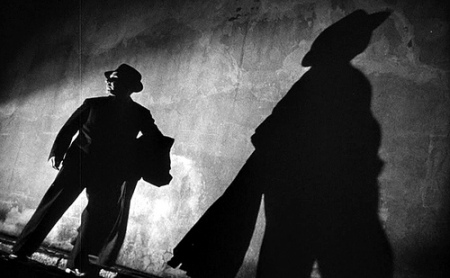
06-09-23 VIEW (Polonsky 1948) Force of EvilThis one is no longer neglect­ed. It is now well-known as a “film noir” gem. IMDB states that “In order to show cin­e­matog­ra­ph­er Geprge Barnes how he want­ed the film to look, direc­tor Abra­ham Polon­sky gave him a book of Edward Hop­per’s Third Avenue paint­ings.John Garfield is very good in the film, but it is stolen by char­ac­ter actor Thomas Gomez. Pay spe­cial atten­tion to the scene where Gomez’s char­ac­ter is “rubbed out” if you want to see script, per­for­mance, cam­era, light­ing and edit­ing work­ing in per­fect harmony.

(Kubrick 1958) The Killing

This was Stan­ley Kubrick­’s first fea­ture film, a low bud­get crime thriller. Appar­ent­ly the pro­duc­ers thought that its non-lin­ear sto­ry sequence would be incom­pre­hen­si­ble to an audi­ence, and did not pro­mote it. But there are some very good sequences in this, and the act­ing, by unknowns and “B” stars (Stir­ling Hay­den, Coleen Gray, Vince Edwards, Elisha Cook), is quite good. Elisha Cook’s per­for­mance is par­tic­u­lar­ly impressive.

(Kazan 1955) East of Eden

06-09-14 VIEW (Kazan 1955) East of EdenI must admit that James Dean’s per­for­mance was as amaz­ing as all the film books say, though it is hard to feel much sym­pa­thy for the extreme­ly annoy­ing char­ac­ter he por­trays, and hard to see why this char­ac­ter was so admired. Ray­mond Massey’s sub­tle per­for­mance should not be ignored. The first would not have worked with­out the oth­er. Elia Kazan’s direc­tion bal­ances inti­ma­cy with a sense of grandeur, and man­ages to make a very talky book into a watch­able film.

(Anderson 2004) The Life Aquatic With Steve Zissou

This is anoth­er pecu­liar film star­ring Bill Mur­ray. He plays Steve Zis­sou, a famous under­wa­ter per­son­al­i­ty of the Jacques Cousteau type. His mud­dled rela­tion­ships with a wife, crew, busi­ness asso­ciates, for­mer lovers and a pos­si­ble son is explored against the back­drop of improb­a­ble adven­tures. Every­thing is made to look unre­al, as if a Hergé com­ic book had been brought to life. The pac­ing of Wes Ander­son­’s film is strange, with sud­den bursts of activ­i­ty start­ing and stop­ping unex­pect­ed­ly. I liked the film, most­ly because it does­n’t much resem­ble any­thing else, and it seems to be sin­cere. There are some gen­uine moments of feel­ing, and some effec­tive satire. But it came and went in the the­atres, bare­ly noticed. I was pleased to see a grown-up Bud Cort (Brew­ster McCloudHarold and Maude) in a minor role.

(Cocteau 1946) La belle et la bête

Jean Cocteau’s “Beau­ty and the Beast” has long been a favourite of film-mak­ers because of its inven­tive use of effects and its visu­al charm. But it has a lit­er­ary strength, as well. It con­veys the feel­ing of folk­tale. It has the under­cur­rents of sex­u­al ten­sion, dan­ger, and cru­el­ty that of gen­uine folk­lore. Cocteau employs all the tra­di­tion­al folk­loric tech­niques, such as the pat­tern of three-fold rep­e­ti­tion, which a mod­ern sto­ry-teller would eschew. He real­ized that film was clos­er in tech­niques and sen­si­bil­i­ty to the folk­tale than to the mod­ern nov­el.

(Hitchcock 1936) The Secret Agent; (Hitchcock 1936) Sabotage

Two fas­ci­nat­ing ear­ly Hitch­cock films both from 1936. The Secret Agent is rather clum­si­ly plot­ted but has some charm. It is star­tling to see John Giel­gud as a hand­some young roman­tic lead, and Peter Lorre pro­vides an eccen­tric per­for­mance as a sort of gener­ic com­i­cal “for­eign­er”.  Sab­o­tage pro­vides a fris­son to today’s view­er. The plot involves a ter­ror­ist plant­i­ng a bomb on a Lon­don bus. Hitch­cock pulls no punch­es: he builds up a lik­able child char­ac­ter, then bru­tal­ly blows him up, halfway through the film. It would have been impos­si­ble to do this in an Amer­i­can film until decades lat­er. But audi­ences did not like it, and Hitch­cock lat­er con­sid­ered it a lapse of judge­ment. The ter­ror­ist in the film employs a liq­uid explo­sive of the same type as seems to have been used in the foiled mul­ti­ple air­plane bomb­ing of the last few days. 

(Scorcese & Wilson 1995) A Personal Journey With Martin Scorsece Through American Movies

06-08-26 VIEW (Scorcese & Wilson 1995) A Personal Journey With Martin Scorsece Through American MoviesScors­ese is a high­ly cul­tured, lit­er­ate and civ­i­lized man, with­out pre­ten­sion and remark­ably free of snob­bery. In this study of the Amer­i­can films that enter­tained and influ­enced him, he opens our eyes to the artistry of many Hol­ly­wood films ― west­erns, gang­ster films, musi­cals, and low-bud­get thrillers ― that film his­to­ri­ans and crit­ics would sneer at. This four hours long doc­u­men­tary under­mines that obnox­ious ten­den­cy in all the arts, the glo­ri­fi­ca­tion of an offi­cial canon of “clas­sics”. His analy­sis of films by for­got­ten and under­rat­ed direc­tors is sharp, but affectionate.

(Polanski 1999) The Ninth Gate

06-08-20 VIEW (Polanski 1999) The Ninth GateI don’t under­stand what moti­vat­ed Polan­s­ki to make this mud­dled super­nat­ur­al thriller. It’s the sort of thing that works fine in a book, but makes a ter­ri­ble movie. You can sort of guess what is going on at the end, but doubt­less most of the audi­ence left the the­atres scratch­ing their heads. A pity, because John­ny Dep­p’s per­for­mance is, as usu­al, extreme­ly pro­fes­sion­al. He wrings as much out of the emo­tion­al­ly ambigu­ous char­ac­ter as he can. Most of us who love books would have been charmed to see an enter­tain­ing film in which rare book col­lec­tors and deal­ers are giv­en a fic­tion­al life involv­ing mur­der, intrigue, and hot sex, how­ev­er inac­cu­rate­ly the tech­ni­cal details of book col­lect­ing are pre­sent­ed. But this film does­n’t enter­tain. Half-way through, one becomes bored with the enig­mas, sens­ing, cor­rect­ly, that they will not lead to any inter­est­ing conclusion.