Monthly Archives: September 2006 - Page 2

Monday, September 18, 2006 — Flintstone Warrior

I’m enjoy­ing a vis­i­tor from my old stomp­ing ground, Peawanuck. You will have to look hard for it on a map — it’s an iso­lat­ed Weenusk First Nation com­mu­ni­ty of only a lit­tle more than a hun­dred inhab­i­tants, and can­not be reached by any road. It’s about thir­ty km up the Winisk Riv­er from the shores of Hudson’s Bay, and is sur­round­ed on all sides by the 23,552 square km of Polar Bear Provin­cial Park (the name of which is some­what mis­lead­ing… it has no vis­i­tor facil­i­ties, is reach­able only by air, and spe­cial per­mis­sion is required before vis­it­ing it). But this lit­tle town has a spe­cial place in my heart, and I am delight­ed to give hos­pi­tal­i­ty to any­one who hails from there.

My guest is Jason Hunter, a musi­cian and film-mak­er. I’ve had to work much of the time he was here, and he had his own affairs to attend to, but we did find time to explore near­by Don Val­ley togeth­er. The trip held a sur­prise. I took Jason through sev­er­al wood­ed ravines, then to an aban­doned brick pit, now flood­ed and filled with ponds, marsh­es, ducks and tur­tles, and a “sacred spot” with a won­der­ful view of the city. Near that, there is a large aban­doned fac­to­ry, in ruinous con­di­tion. It is board­ed up and pro­tect­ed by chain-link fences, but that is noth­ing to enter­pris­ing tres­passers. We were soon inside, walk­ing among the immense brick ovens, illu­mi­nat­ed by shafts of light from the decay­ing and dam­aged roof. But we were not alone. We heard the nois­es of some oth­er intrud­ers. So climbed up to the rust­ing cat­walks that criss-crossed the ovens. The oth­er peo­ple were a cam­era crew, prepar­ing an elab­o­rate pho­to shoot. The mod­el was a tall woman, pos­ing entire­ly naked, except for a fan­tas­tic bird head-dress and a trail­ing cape. It was in imi­ta­tion of a sym­bol­ist paint­ing that I rec­og­nized, but could not name. Sens­ing that our ogling was impo­lite, we retreat­ed to oth­er parts of the ruined fac­to­ry, find­ing a way up onto the roof. I had told Jason there were all sorts of odd things to find in the Don Valley.

Puz­zled by the blog title?  Peawanuck means “flint­stone” in Cree.

Ali Riza Mashayikhi 

Ali Riza Mashayikhi is the dom­i­nant fig­ure in mod­ern Iran­ian con­cert music. Born in 1940 in Tehran, he stud­ied in Vien­na and Utrecht, and was intro­duced to mod­ernist tecb­niques by Otto Jelinek. How­ever, he does not appear to be com­mit­ted to any of the dread­ful “sys­tems” that ide­ol­o­gized com­po­si­tion in the 20th cen­tury. He sen­si­bly draws on any tech­nique that is use­ful to the cre­ation of a par­tic­u­lar piece. Some of his works draw heav­ily on Iran­ian folk­loric tra­di­tion, intend­ing to con­very a region­al spir­it, while oth­ers pur­sue oth­er ends entire­ly. Mashayikhi was one of the first com­posers to bring com­put­er­i­za­tion into mid­dle-east­ern music. The pieces in my col­lec­tion are: Sym­phony #2. Op.57, the Con­certo for Vio­lin and Orches­tra, Op.96, and Nous ne ver­rons jamais les jardins de Nishapour for Two Pianos and Orches­tra, Op.56. The lat­ter piece is an exam­ple of a work that does not direct­ly employ any Per­sian mate­r­ial that I can see, but nev­er­the­less con­veys a dis­tinctly Per­sian mood. His out­put is huge, so it will require a lot of explor­ing. I like very much what I’ve heard so far. A curi­ous thing about the composer’s name: While he is undoubt­edly Per­sian, “Al-Mashayikhi” is Ara­bic for a per­son of the Mashayikh tribe in Iraq, cen­tered in the towns of Tarmiya and in Al-Hawe­jah, quite close to Sad­dam Hussein’s (and Saladin’s) birth­place in Tikrit. Mashayekhi or Mashayikhi seem to be com­mon Iran­ian names. Jamshid Mashayekhi is an Iran­ian film star, and Ario Mashayekhi is an expa­tri­ate painter, sculp­tor, and actor liv­ing in Chica­go. Anoth­er curios­ity: there is anoth­er com­poser, named Nad­er Mashayekhi, also trained in Vien­na, but born in 1958 (a bit old to be a son, and a bit young to be a broth­er — are they relat­ed?). I have not heard any of his music. There is also a folk­loric group from Iran called Mashayikhi Ensem­ble. The name seems to be pro­foundly musi­cal. Are we deal­ing, here with an extend­ed tal­ented fam­ily like the Bachs were in Thuringia? Or is it all coincidence?

(Kazan 1955) East of Eden

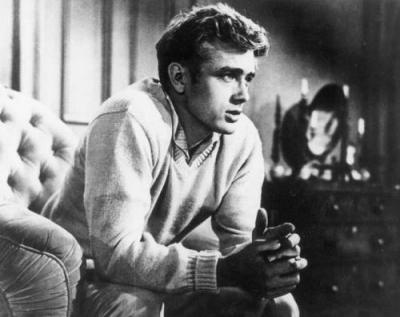
06-09-14 VIEW (Kazan 1955) East of EdenI must admit that James Dean’s per­for­mance was as amaz­ing as all the film books say, though it is hard to feel much sym­pa­thy for the extreme­ly annoy­ing char­ac­ter he por­trays, and hard to see why this char­ac­ter was so admired. Ray­mond Massey’s sub­tle per­for­mance should not be ignored. The first would not have worked with­out the oth­er. Elia Kazan’s direc­tion bal­ances inti­ma­cy with a sense of grandeur, and man­ages to make a very talky book into a watch­able film.

14751. (David G. Hubbard) The Skyjacker, His Flights of Fancy

In the late 1960’s, there was a wave of “sky­jack­ings” — where lone gun­men would force air­planes to fly to Cuba. This book was a con­tem­po­rary psychiatrist’s attempt to ana­lyze the moti­va­tions of the Sky­jack­ers, based on inter­views with them in jail. In most cas­es, Cuba sim­ply extra­dited them to Cana­da, which then extra­dited them to the Unit­ed States. Even at the time, it was under­stood by every­one that the sky­jack­ings were not ini­ti­ated by, or encour­aged by the Cas­tro regime, which was actu­ally rather embar­rassed by the phe­nom­e­non. The author rejects the idea that there was any seri­ous polit­i­cal moti­va­tion behind the sky­jack­ings. In most cas­es, the polit­i­cal procla­ma­tions of the per­pe­tra­tors were far too shal­low and sil­ly to be tak­en seri­ously as motives. He goes through the per­sonal his­tory of each sky­jacker and finds that they are remark­ably uni­form. The typ­i­cal sky­jacker was the child of a vio­lent, bul­ly­ing father and a deeply reli­gious moth­er, who sub­se­quently failed mis­er­ably in carv­ing out any kind of suc­cess. They were usu­ally obses­sively reli­gious, and social­ly and psy­cho­log­i­cally extreme­ly con­ser­v­a­tive. Their sex­ual lives, most of the time, were pathet­ic. After some par­tic­u­larly dev­ast­ing fail­ure or betray­al, they quite spon­ta­neously con­cocted a scheme to cre­ate a dra­matic event that would some­how, they felt, resolve their dif­fi­cul­ties, at least in a sym­bolic sense. The idea of the sky­jack­ings seems to have occured to them sim­ply because oth­ers had done it, and it was a big thing in the news. The sim­i­lar­ity to the psy­cho­log­i­cal pro­files of ser­ial killers, dis­cussed in Elliott Leyton’s work, is strik­ing. Ley­ton would have had a more com­mon-sense approach to the case his­to­ries. Hub­bard used his data to con­coct a rather lame the­ory from the pseu­do-sci­ence of psy­chother­apy which was then still very influ­en­tial. But the case his­to­ries speak for them­selves, and it’s inter­est­ing for a read­er in 2006 to be remind­ed that air trav­el was not par­tic­u­larly safe forty years ago.

Fela Sowande

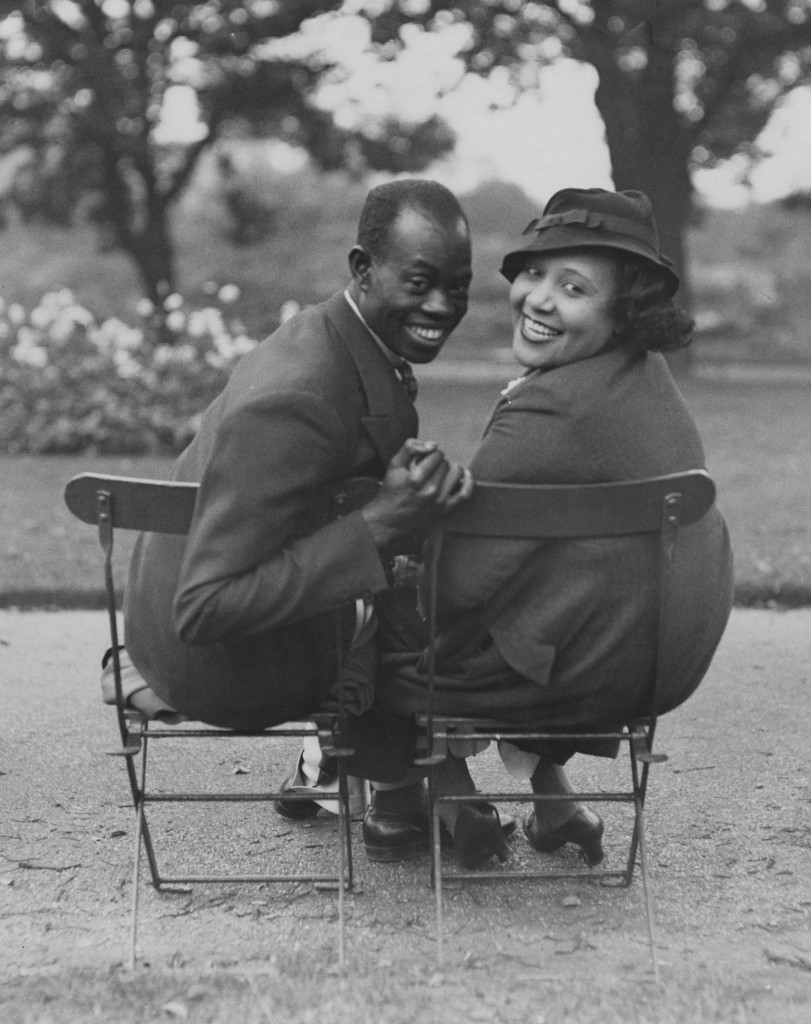
Nigerian musician and composer Fela Sowande (1905 - 1987) with his fiance, American soprano Mildred Marshall, in Regent's Park, London, 13th September 1936. Sowande is working as a the pianist and Marshall is singing in the London production of Lew Leslie's musical revue, 'Blackbirds Of 1936'. (Photo by General Photographic Agency/Hulton Archive/Getty Images)

Fela Sowande (1905 — 1987) with his fiance, Amer­i­can sopra­no Mil­dred Mar­shall, in Regen­t’s Park, Lon­don, 13th Sep­tem­ber 1936. Sowande is work­ing as a the pianist and Mar­shall is singing in the Lon­don pro­duc­tion of Lew Leslie’s musi­cal revue, Black­birds Of 1936.

Nige­ria has pro­duced some of the great­est musi­cians of the world. Prob­a­bly best known are juju mas­ter King Sun­ny Adé and the great jazzman Fela Aniku­lapo Kuti. But in an ear­lier gen­er­a­tion, Fela Sowande loomed quite as large. Sowande was suc­cess­ful in pop­u­lar music, as a band­leader in the ear­ly High­life scene, as well an accom­plished jazz per­former. He was also a fine clas­si­cal organ­ist and choral con­duc­ter. His largest body of work is church choral and organ music. Migrat­ing to Britain, he achieved instant fame as a con­cert pianist with a per­for­mance of Gershwin’s Rhap­sody in Blue, and sub­se­quently per­formed in duets with Fats Waller. He even­tu­ally returned to Nige­ria as a teacher, and then lived his last years in Ohio, where he is buried. Read more »

(Anderson 2004) The Life Aquatic With Steve Zissou

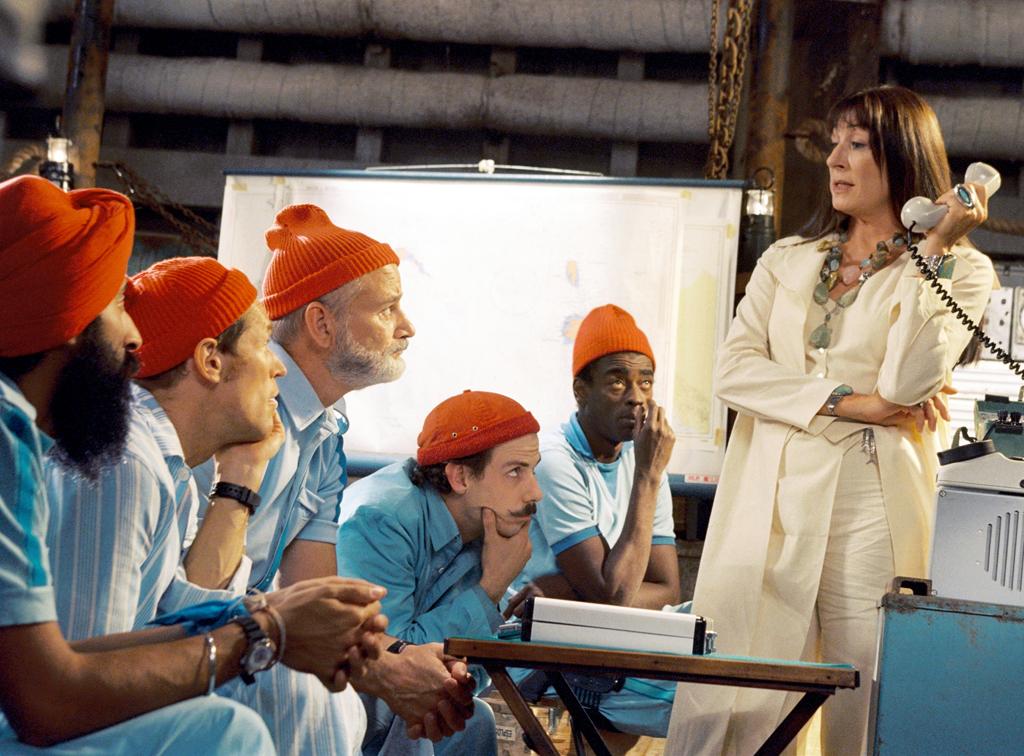
This is anoth­er pecu­liar film star­ring Bill Mur­ray. He plays Steve Zis­sou, a famous under­wa­ter per­son­al­i­ty of the Jacques Cousteau type. His mud­dled rela­tion­ships with a wife, crew, busi­ness asso­ciates, for­mer lovers and a pos­si­ble son is explored against the back­drop of improb­a­ble adven­tures. Every­thing is made to look unre­al, as if a Hergé com­ic book had been brought to life. The pac­ing of Wes Ander­son­’s film is strange, with sud­den bursts of activ­i­ty start­ing and stop­ping unex­pect­ed­ly. I liked the film, most­ly because it does­n’t much resem­ble any­thing else, and it seems to be sin­cere. There are some gen­uine moments of feel­ing, and some effec­tive satire. But it came and went in the the­atres, bare­ly noticed. I was pleased to see a grown-up Bud Cort (Brew­ster McCloudHarold and Maude) in a minor role.

Friday, September 8, 2006 — Harper’s Betrayal of Canadian Families

The Pope has just denounced Cana­da for its pop­u­lar and polit­i­cal sup­port for gay mar­riage. Cana­da has, through­out its his­to­ry, been a coun­try with a Catholic major­i­ty, at least in the­o­ry. But, in fact, the prac­tice of “pri­vate reli­gion” — the search for some per­son­al phi­los­o­phy inde­pen­dent of any orga­nized sect or author­i­ty — is what actu­al­ly pre­dom­i­nates in Cana­da, as well as an ingrained belief that church­es should stay out of pol­i­tics. This has long been a sig­nif­i­cant cul­tur­al dif­fer­ence between Cana­da and the Unit­ed States. Most Cana­di­ans would not like­ly know the reli­gious affil­i­a­tion of any of their politi­cians, and would not think it of any inter­est. Canada’s for­mer Prime Min­is­ter, Paul Mar­tin, who is a prac­tic­ing Catholic, remarked today that the Pope’s opin­ion did not in the least affect him. “It’s the job of the courts to apply the Char­ter of Rights, and it was my job as Prime Min­is­ter to see that those rights were respect­ed.”  Read more »

Wednesday, September 6, 2006 — Harper’s Betrayal of Canada’s Soldiers

Anoth­er “friend­ly fire” inci­dent occurred in Afghanistan, where two US A‑10 Thun­der­bolts straffed a Cana­di­an Forces base camp. Five Cana­di­an sol­diers were severe­ly wound­ed, and one killed. The dead sol­dier, Mark Gra­ham, was a wide­ly liked Olympic track star. This fol­lowed close­ly on four Cana­di­an com­bat deaths over the week­end. Com­bat deaths are to be expect­ed, but yet anoth­er “friend­ly fire” deba­cle involv­ing poor­ly-com­mand­ed Amer­i­can forces killing Cana­di­an troops is re-enforc­ing doubts the Cana­di­an pub­lic has about our “mis­sion” in Afghanistan. All the more because Stephen Harper’s Con­ser­v­a­tive gov­ern­ment has made it obvi­ous that Cana­di­an forces are increas­ing­ly deployed as mere mer­ce­nary forces for George W. Bush. As far as Harp­er is con­cerned, there is no Cana­di­an for­eign pol­i­cy. There is only George W. Bush’s pol­i­cy. How­ev­er, the Cana­di­an peo­ple seem to have anoth­er notion, that the Cana­di­an mil­i­tary is intend­ed to defend Cana­da and the inter­ests of the Cana­di­an peo­ple, and to engage in com­bat on for­eign soil only when the moral issues are clear and unequiv­o­cal. Read more »

14749. (Cory Doctorow) Someone Comes to Town, Someone Leaves Town

This is an extreme­ly imag­i­na­tive and well-writ­ten nov­el, pulling togeth­er sev­eral themes that would not nor­mally work well togeth­er. Doc­torow com­bines a real­is­tic rep­re­sen­ta­tion of life in Toronto’s pleas­antly chaot­ic Kens­ing­ton Mar­ket neigh­bour­hood with night­mar­ish fan­tasy ele­ments that have the feel­ing of the grim­mer parts or Norse, Ger­man or Native Cana­dian folk­lore, and throws in a lit­tle cyber­punk, as well. These dis­parate com­po­nents are not set apart in blocks, but flow and blend into each oth­er on a para­graph-by-para­graph, some­times a sen­tence-by-sen­tence basis. I won’t sum­ma­rize the plot: it will just sound arbi­trar­ily grotesque, and will not give you any hint of the human­ity and the effec­tive lan­guage of the book. The book gives me some hope, because I was feel­ing that Sci­ence Fic­tion writ­ing in North Amer­ica was mori­bund, and this is an exam­ple of a return­ing vigour.

(Cocteau 1946) La belle et la bête

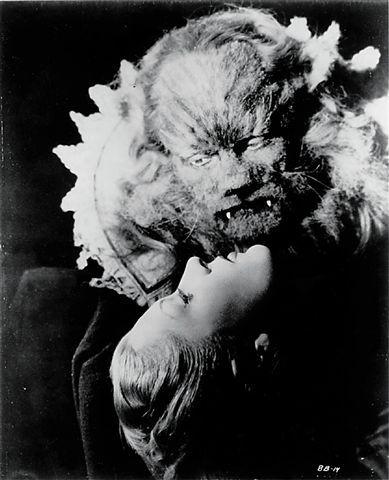
Jean Cocteau’s “Beau­ty and the Beast” has long been a favourite of film-mak­ers because of its inven­tive use of effects and its visu­al charm. But it has a lit­er­ary strength, as well. It con­veys the feel­ing of folk­tale. It has the under­cur­rents of sex­u­al ten­sion, dan­ger, and cru­el­ty that of gen­uine folk­lore. Cocteau employs all the tra­di­tion­al folk­loric tech­niques, such as the pat­tern of three-fold rep­e­ti­tion, which a mod­ern sto­ry-teller would eschew. He real­ized that film was clos­er in tech­niques and sen­si­bil­i­ty to the folk­tale than to the mod­ern nov­el.