Monthly Archives: March 2008 - Page 2

15800. (Aron Ralston) Between a Rock and a Hard Place

How could I pass up a book about a guy who is climb­ing in a part of the Utah Desert that I’m very fond of, gets pinned by a fall­en boul­der for six days, and has to hack off his own arm with a util­ity knife to get out of it? Aron Ralston’s book about his expe­ri­ence is actu­ally very well writ­ten, and enter­tain­ing through­out. He wise­ly struc­tures it so that his auto­bi­og­ra­phy, chiefly out­door adven­tures in the moun­tains and deserts of the U.S., alter­nates with the details of his most dra­matic expe­ri­ence. It took place in the Canyon­lands area made famous in Edward Abbey’s Desert Soli­taire. Those of us who are emo­tion­ally attached to the red rock deserts of the Four Cor­ners region are gen­er­ally will­ing to under­go some hard­ships to enjoy its beau­ty — but not quite as much as Aron did.

15772. (Elizabeth Vibert) Traders’ Tales: Narratives of Cultural Encounters in the Columbia Plateau, 1807–1846

I have some prob­lems with this book (most­ly impa­tience with any­thing any­one says that has the term “post-” in it; that always puts my teeth to grind­ing). But most of it is rea­son­able and use­ful. Of spe­cial inter­est to me:

The basic dis­tinc­tions that traders [North West Com­pany and Hudson’s Bay Com­pany traders liv­ing among the Colum­bia Plateau Indi­ans– P.P] drew between “fish­ing” and “hunt­ing” peo­ples illus­trates well the pow­er of con­tem­po­rary dis­course con­cern­ing the influ­ence of envi­ron­ment on soci­ety. As is made clear in the chap­ters that fol­low, the iden­ti­ties these labels describe are in large part inven­tions of the traders. All Plateau peo­ples includ­ed a range of sub­sis­tence strate­gies — fish­ing, gath­er­ing, and hunt­ing — in their sea­sonal round… The empha­sis itself was sea­son­ally and his­tor­i­cally vari­able, how­ever, and com­mu­ni­ties described as “hunters” at oth­er times gath­ered and fished.… … As for the influ­ence of envi­ron­ment on “hunters’ and “fish­erme,” the groups that occu­pied the banks of the Colum­bia Riv­er were cast as hope­lessly indo­lent, sup­pos­edly because the riv­er “afford(s) an abun­dant pro­vi­sion at lit­tle trou­ble for a great part of the year.” Those who lived in areas that were rich­er in ani­mal life, and par­tic­u­larly those who hunt­ed on the buf­falo plains, were judged far more indus­tri­ous. Clear­ly, the traders’ mate­r­ial inter­ests fig­ure promi­nently in the imagery that casts fish­ing peo­ples as lazy and hunters as hard-working.


My impres­sion is that many his­to­ri­ans, archae­ol­o­gists, and even anthro­pol­o­gists have hard­ly pro­gressed at all from the world-view of these Com­pany fac­tors.

15758. (Ceron-Cerrasco, Ruby) ‘”Of fish and men” = “De iasg agus dhaoine”: A Study of the Utilization of Marine Resources as Recovered from Selected Hebridean Archaeological Sites

My whin­ing about the lack of seri­ous atten­tion to fish­ing in archae­ol­ogy and the­o­ret­i­cal pre­his­tory may be out­dated. This report on a recent dig in the Out­er Hebrides describes every­thing I’ve want­ed to see done for the last fif­teen years. A few dozen projects like this will sup­ply us with the data to trans­form our under­stand­ing of pre­his­toric economies.

Garcia Brothers, San Juan Pueblo

If you’re accus­tomed to the jaun­ty rhythms and vocal stylings at Cana­dian pow-wows, then the music from the New Mex­ico pueb­los will seem a bit lan­guid and monot­o­nous to you. But the Gar­cia Broth­ers were good musi­cians, and their Green Corn Dance is quite appealing.

Saturday, March 15, 2008 — Barking Up the Wrong Tree

http _monsterjones.com_Godzi_GodziEvol17Read any his­to­ry book, and chances are you’ll encounter pre­sump­tions, explic­it or implic­it, about some­thing called “cul­tur­al evo­lu­tion”. His­to­ri­ans have long felt that his­tor­i­cal events were tak­ing place with­in the frame­work of some kind of process or process­es which should be described using ter­mi­nol­o­gy bor­rowed from the bio­log­i­cal sci­ences. Soci­eties, we are told, “evolve” in the same sense that equ­us “evolved’ from eohip­pus

But soci­eties are not bio­log­i­cal organ­isms, and they are not species. More­over, the term “soci­ety” does not cor­re­spond to any real thing with which either organ­ism or species form cred­i­ble analo­gies. Organ­ic evo­lu­tion is not an apt, or rel­e­vant anal­o­gy to apply to human cul­tures. Those who seek to describe human his­to­ry as a par­al­lel to bio­log­i­cal evo­lu­tion are pro­found­ly mis­un­der­stand­ing both.

A species is defined, bio­log­i­cal­ly, as the sum total of indi­vid­ual organ­isms which are suf­fi­cient­ly close, genet­i­cal­ly, to be able to suc­cess­ful­ly repro­duce. While there may be prac­ti­cal dif­fi­cul­ties in deter­min­ing how and where this lim­it­ing fac­tor applies in giv­en cas­es (these are called “species prob­lems” in biol­o­gy), all cas­es are ulti­mate­ly sup­posed to be deter­mined by the same test, in the same frame of ref­er­ence. In this sense, “species” is a rea­son­ably objec­tive and con­sis­tent con­cept in biol­o­gy. When we say that Odobe­nus ros­marus [Wal­rus] is a species and that Acer sac­cha­rum [Sug­ar Maple] is a species, we are defin­ing each by the same standards.

The terms “soci­ety” and “cul­ture”, how­ev­er, are not defined by any reg­u­lar and con­sis­tent prin­ci­ple. They do not refer to any­thing that is agreed upon by his­to­ri­ans, and when his­to­ri­ans talk about “cul­tur­al evo­lu­tion”, they could be refer­ring to almost any arbi­trary con­glom­er­a­tion of indi­vid­ual human beings, rei­fied into a hypo­thet­i­cal iden­ti­ty. They may be apply­ing their hypo­thet­i­cal tem­plate to who­ev­er hap­pens to be in some arbi­trar­i­ly defined geo­graph­i­cal area, or to some peo­ple who speak the same lan­guage, or to peo­ple who are sub­ject to a par­tic­u­lar set of laws, or to peo­ple who are relat­ed by puta­tive kin­ship, or who are mobile but trav­el­ing togeth­er, or any neb­u­lous assem­bly of these ele­ments. There is no agreed upon prin­ci­ple defin­ing a soci­ety or a cul­ture. The sub­di­vi­sions of the human race being dis­cussed are not made by any coher­ent prin­ci­ple, and there is no con­sis­tent test or val­ue involved. This alone makes talk­ing about “cul­tur­al evo­lu­tion” noth­ing more than a vague anal­o­gy to bio­log­i­cal evo­lu­tion, and a dubi­ous one, at that. Read more »

15755. (Flannery O’Connor) Wise Blood

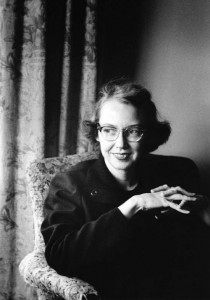
08-03-15 READ 15755. (Flannery O’Connor) Wise BloodThis is a mas­ter­piece of Amer­i­can lit­er­a­ture that will present dif­fi­cul­ties for a Cana­dian read­er. This was Flan­nery O’Connor’s first nov­el, writ­ten in 1949. O’Connor (1925–1964) was a native of cen­tral Geor­gia, and the old seg­re­gated Amer­i­can South that she writes about more than con­firms the adage that “the past is a for­eign coun­try.” The world of Wise Blood is clos­er to anoth­er plan­et than a mere for­eign coun­try. Wide­ly regard­ed as the heir to William Faulkn­er, lit­er­ary con­ven­tion has placed O’Connor in the annoy­ingly patron­iz­ing aca­d­e­mic com­part­ments of “South­ern Goth­ic” and “Region­al Fic­tion”. (If you write in New York, of course, that isn’t “region­al”). Much is made of the “grotesque” ele­ments in her fic­tion. But she was not much pleased with that kind of peg-board­ing. “Any­thing that comes out of the South is going to be called grotesque by the north­ern read­er, unless it is grotesque, in which case it is going to be called real­is­tic,” she once remarked.

O’Connor was a Catholic, some­thing which is pret­ty nor­mal here in Cana­da, where it doesn’t involve much in the way of meta­phys­i­cal or psy­cho­log­i­cal com­plex­ity. But in Geor­gia, it makes one an out­sider, and philoso­pher. O’Connor was fas­ci­nated by faith, apos­tasy, sin and redemp­tion, and in the reli­giously super­charged world of the South, and espe­cially the region where the Moun­tain cul­ture inter­acts with the Deep South, there was plen­ty of mate­r­ial to chew on. Wise Blood tells the tale of Hazel Mote, trau­ma­tized son of a preach­er who hates reli­gious faith, but finds him­self involved in every kind of reli­gious expe­ri­ence. He is a vir­tual cat­a­log of here­sies and bizarre reli­gious prac­tices, while he tries to avoid belief. He is sur­rounded by an assort­ment of odd char­ac­ters, each one dri­ven by some equal­ly pecu­liar belief. One char­ac­ter ends up wor­ship­ing a mum­my in a muse­um. It all does seem grotesque, a kind of sur­re­al­is­tic fan­tasy. But the irony is that noth­ing hap­pens in the book, and no char­ac­ter is rep­re­sented, that has not exist­ed in real life.

That is the real pow­er of the book. Every­thing in it is relent­lessly faith­ful to real­ity. It’s writ­ten with incred­i­ble con­trol, pre­ci­sion and econ­omy (it is real­ly a novel­la, rather than a nov­el). Not a word is wast­ed, not a word is wrong, not a word is out of place. Dialect and idi­olect are ren­dered with absolute per­fec­tion. Some­times a sin­gle, short sen­tence will cre­ate a crys­tal clear visu­al image in the reader’s head. The prose sings,

I could not come from a more dif­fer­ent cul­tural back­ground, and my inter­ests and pre­oc­cu­pa­tions could not be more dif­fer­ent than O’Connor’s, but this book still held me in com­plete absorp­tion. What must it do for some­one for whom it’s clos­er to the bone? I would love to sit down and talk over this book with my old friend William Brei­d­ing, who must sure­ly have read it. William? Send me your thoughts on this one.

Friday, March 12, 2008 — “I Called the New World to Redress the Balance of the Old”… A Final Word on the European Neolithic

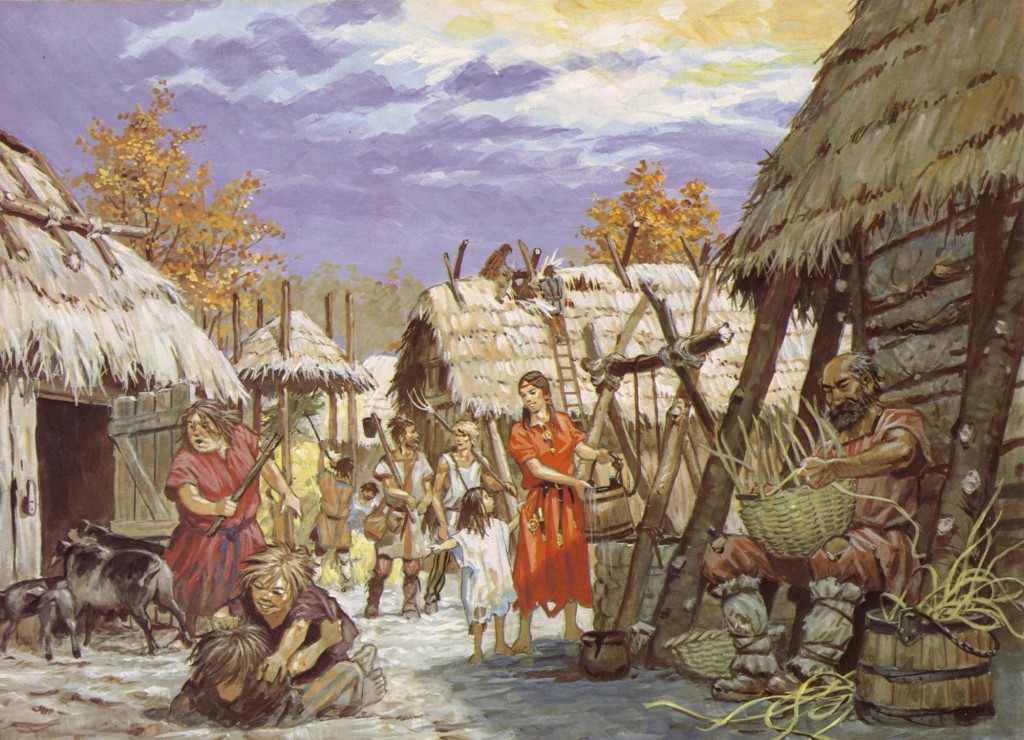
I’ve been asked to explain exact­ly what I think hap­pened dur­ing the peri­od when agri­cul­ture was intro­duced to Europe, and how it dif­fers from the cur­rent con­sen­sus among pre­his­to­ri­ans. First of all, let me make it clear that I’m propos­ing a mod­i­fi­ca­tion of that con­sen­sus, not a rad­i­cal alter­ation of it. I think that the cur­rent­ly most accept­ed views are ham­pered by a num­ber of fac­tors: 1) an over-reac­tion to the pre­vi­ous generation’s reliance on hypo­thet­i­cal migra­tions, result­ing in a pref­er­ence for sta­t­ic mod­els of human behav­iour, 2) a fail­ure to prof­it from use­ful com­par­isons with the his­to­ry and anthro­pol­o­gy of the New World, 3) the per­va­sive influ­ence of invalid notions of eco­nom­ics and social evo­lu­tion, inher­it­ed and uncrit­i­cal­ly absorbed from 19th cen­tu­ry thinkers.

08-03-07 BLOG Friday, March 7, 2008 - I Called the New World to Redress the Balance of the Old 3

The dom­i­nant school, today, of inter­pret­ing the Neolith­ic arose in reac­tion to ear­li­er schools of thought, which viewed pre­his­to­ry as a series of migra­tions and inva­sions of eth­nic groups, each one held to account for some dif­fer­ence in mate­r­i­al cul­ture. Lan­guage and eth­nic­i­ty were, with only per­func­to­ry reser­va­tions, assumed to be con­gru­ent. The spread of agri­cul­ture in Europe and the spread of Indo-Euro­pean lan­guages were assumed to be dif­fer­ent events, tak­ing place at dif­fer­ent times. It was assumed that agri­cul­ture spread into Europe, from its ori­gins in the Mid­dle East, start­ing some­time around the sixth mil­len­ni­um BC. Much lat­er, Indo-Euro­pean tribes of con­querors, empow­ered by their domes­ti­ca­tion of the horse, swept across Europe (as well as Iran, Cen­tral Asia, and India) impos­ing their lan­guage, reli­gion, and social struc­ture on every­one in their path. The “orig­i­nal home­land” of the Indo-Euro­peans, these puta­tive con­querors, was thought to be some­where in the present Ukraine, and much effort was made to deter­mine this loca­tion by exam­in­ing the var­i­ous Indo-Euro­pean lan­guages. Thus, the orig­i­nal farm­ers of Europe were held to be non-Indo-Euro­pean-speak­ing natives, sub­se­quent­ly over­pow­ered by an Indo-Euro­pean élite, who imposed their lan­guage on all but a few iso­lat­ed groups — the Basques, the Finno-Ugri­an peo­ples of the North, and the Etr­uscans. The most elo­quent cham­pi­on of this mod­el was the Lithuan­ian-Amer­i­can archae­ol­o­gist Mar­i­ja Gimbu­tas (1901–1994). Gimbu­tas envi­sioned a pre-Indo-Euro­pean agri­cul­tur­al soci­ety in Europe which was matris­tic and “God­dess-cen­tered”, and peace­ful, while the con­quer­ing Indo-Euro­peans were patris­tic and vio­lent. These Indo-Euro­peans were iden­ti­fied as specif­i­cal­ly being the Kur­gan cul­ture of the west­ern Eurasian steppes. This rather car­toon­ish view of the Neolith­ic, which relied on cul­tur­al­ly com­fort­able notions of gen­der dual­i­ty and also on tra­di­tion­al, but bio­log­i­cal­ly naive, ideas of race and eth­nic­i­ty, had a tremen­dous influ­ence, not only on his­to­ri­ans, but on pop­u­lar cul­ture. Read more »

15752. [2] (Roy W. Meyer) The Village Indians of the Upper Missouri: The Mandans, Hidatsas and Arikaras

Cur­rent inter­ests led me a sec­ond read­ing of this excel­lent his­tory (it’s approach is his­tor­i­cal, not eth­no­log­i­cal) of the Man­dans, Hidat­sa and Arikaras of North and South Dakota.

Schol­ars try­ing to recon­struct the Neolith­ic soci­eties of Europe, espe­cially regard­ing trade, ear­ly agri­cul­tural set­tle­ment, and the move­ment of peo­ple, would prof­it by study­ing the val­ley of the Mis­souri Riv­er. Here we have a mix­ture of first-per­son eye-wit­ness sources and archae­o­log­i­cal data that shows us much about the inter­ac­tion of nomadic and agri­cul­tural peo­ples, which Old-World his­to­ri­ans could learn a lot from, if they both­ered to look. The rel­e­vance to under­stand­ing the Euro­pean Neolith­ic seems to me obvi­ous, but the par­al­lels and exam­ples have not been explored or exploit­ed. Exact­ly why this is, so, I’m not sure. But of par­tic­u­lar rel­e­vance is the detailed knowl­edge we have of Man­dan and Hidat­sa trade: the prod­ucts involved, how they moved, how far, how many peo­ple where involved, and with what eco­nomic con­cepts and process­es. They do not at all resem­ble the pic­ture con­jured up by his­to­ri­ans in the Old World of How Things Must Have Been Done. One can­not prove, of course, that the Euro­pean Neolith­ic farm­ers, hunter-gath­er­ers, and nomads had the same kind of econ­omy as exist­ed in the cen­ter of North Amer­ica in a lat­er peri­od, but the data cer­tainly is rel­e­vant to guess­ing what was like­ly or prob­a­ble. Read more »

(Robert A. Heinlein) Waldo & Magic, Inc

In the ear­ly 1940’s, Robert Hein­lein wrote two charm­ing nov­el­ettes, which have most of the ele­ments of his mature style, but with a lighter, more imp­ish tone. The two nov­el­ettes have been in print togeth­er under the title Wal­do & Mag­ic, Inc. for the last 58 years.

Wal­do (pub­lished in Astound­ing in 1942) is set in a future (appar­ently around our present, now) where Niko­la Tesla’s radi­ant pow­er forms the back­bone of the tech­no­log­i­cal infra­struc­ture. The prob­lem is, the tech­nol­ogy is mys­te­ri­ously fail­ing, and there is the pos­si­bil­ity radi­ant pow­er is cre­at­ing an eco­log­i­cal dis­as­ter. It may be sap­ping everyone’s vital­ity, turn­ing human­ity into help­less couch pota­toes. Nobody is bet­ter qual­i­fied to solve this prob­lem than Wal­do, the obnox­iously brat­ty super-genius who lives in orbit above the earth, and is afflict­ed with myas­the­nia gravis, a degen­er­a­tive mus­cu­lar dis­ease that makes him help­less. To com­pen­sate, he has invent­ed var­i­ous forms of remote con­trol devices, known as wal­dos, which Hein­lein describes in detail. But he needs the help of a Penn­syl­va­nia hex doc­tor to solve the prob­lem. Hein­lein con­ceived of the remote con­trol devices long before they were actu­ally built, and it is said that the sto­ry led direct­ly to their inven­tion. Read more »

15741. (Bernice Morgan) Cloud of Bone

This is an inter­est­ing, well-writ­ten nov­el by an accom­plished New­found­land writer. It com­bines three sto­ries. One is set in dur­ing World War II, and focus­es on a desert­er from the navy, who is on the run in back­woods New­found­land. Anoth­er sto­ry cen­ters on, Nan­cy Shanawhdit, the last known native Beothuk, who died of tuber­cu­lo­sis in 1829. The third focus­es on a foren­sic pathol­o­gist at Cam­bridge, U.K., whose life is strange­ly altered by the first two sto­ries, and by her expe­ri­ences dur­ing the geno­cide in Rwan­da. It’s an odd com­bi­na­tion, but Ber­nice Mor­gan makes them work togeth­er with a decep­tive ease.

One detail that struck me. The sailors and sol­diers in wartime New­found­land includ­ed New­found­lan­ders, Cana­di­ans, and Amer­i­cans. New­found­land had not joined Cana­da, and for most of the his­tory that pre­ceded that union (in 1948), lit­tle love was lost between the two coun­tries. In Cloud of Bone, the New­found­lan­ders have reg­u­lar, and rel­a­tively good-natured fist­fights and brawls with the Amer­i­cans, usu­ally over access to dance-hall girls, but the fights with Cana­di­ans are far more vio­lent, and far from good-natured. It reminds me of the old New­found­land folk songs, “Come Near At Your Per­il, Cana­dian Wolf”, and “Thank God We’re Sur­rounded By Water”.