Beowulf (Zemeckis 2007)

2kpdci_vd8/dc.006_comp_v85_2kpdci_vd8.0373.tif

I was sat­is­fied with this per­for­mance-cap­ture ani­mat­ed ver­sion of the Beowulf epic. It does­n’t have much to do with the orig­i­nal Anglo-Sax­on epic, but mythol­o­gy is, by its very nature, open to any muta­tion the re-teller cares to make. Who the hell knows what trans­for­ma­tions the sto­ry expe­ri­enced before our “lit­er­ary” ver­sion appeared? No one object­ed when Allan Gard­ner turned the sto­ry on its head in his nov­el “Gren­del”. This ani­mat­ed ver­sion is an even greater depar­ture, but it held my atten­tion and was visu­al­ly pleasing.

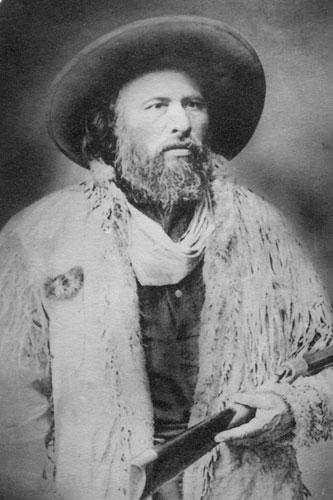
16271. (George Woodcock) Gabriel Dumont

Gabriel Dumon­t’s role in the North­west Rebel­lion of 1885 is well known to Métis Cana­di­ans, and many peo­ple in our three prairie provinces, but oth­er­wise he is over­shad­owed by the more roman­tic fig­ure of Louis Riel. Riel, after all, had reli­gious visions, under­went mar­tyr­dom, and left a writ­ten lega­cy. His insta­bil­i­ty is the stuff that attracts atten­tion, and he’s the one that’s been treat­ed in nov­els, plays, movies, songs, and even an opera. But in many ways, Dumont is a more inter­est­ing man, and deserves more respect than the dubi­ous­ly sane Riel. George Wood­cock, in this short biog­ra­phy, empha­sizes how much Dumont exem­pli­fied the most admirable aspects of Métis soci­ety. Read more »

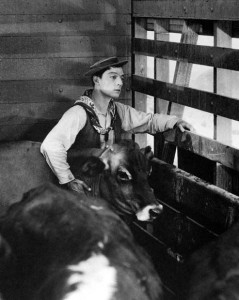
Buster Keaton, A Hard Act to Follow: From Vaudeville to Movies + 10 Keaton shorts

Buster Keaton in Out West(1918)…

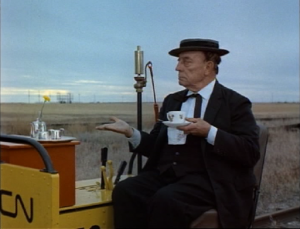
... and nearly a half century later in The Railrodder (1965)

… and near­ly a half cen­tu­ry lat­er in The Rail­rod­der(1965)

I acknowl­edge Char­lie Chaplin’s genius, but I have to say that his screen per­son­al­ity nev­er appealed to me, and I appre­ci­ate his films with a detached, tech­ni­cal eye. Buster Keaton is anoth­er thing entire­ly, for me. His com­ic genius touch­es me direct­ly. I laugh when I see Keaton’s silent clas­sics. I was first exposed to his work as a child. The last film he made, before his death, was a short pro­mo­tional film for the CNR”s coast-to-coast pas­sen­ger ser­vice across Cana­da. His stone-faced char­ac­ter cross­es the coun­try on a rail­way hand-car. Keaton was as bril­liant in it as in any film he had made a half-cen­tu­ry before. Read more »

Image of the month:

08-06-01 BLOG Image of the month

First-time listening for May, 2008

18565. (Johann Wil­helm Her­tel) Con­cer­to in D for Trum­pet, 2 Oboes and 2 Bas­soons
18566. (Franz Biber) Con­cer­to in C for Trum­pet, Strings and Bas­so Con­tin­uo
18567. (Got­tfried Hein­rich Stoelzel) Con­cer­to in D for Six Trum­pets and String Orches­tra
18568. (Félix Mendelssohn) Die Erste Walpur­gis­nacht for Cho­rus and Orches­tra, Op.60
Jit­ter­bug Jive ― Hot Texas Swing 1940–1941:
Read more »

READING – MAY 2008

(Pierre Clas­tres) Recherch­es d’anthropologie poli­tique:
. . . . 16178. (Pierre Clas­tres) Le dernier cer­cle [arti­cle]
. . . . 16179. (Pierre Clas­tres) Une ethno­gra­phie sauvage: A pro­pos de Yanoa­ma [arti­cle] Read more »

Polynesia: From Bora-Bora to Tahiti

This cross-sec­tion of pop­u­lar music in Poly­ne­sia includes songs by Charley Mauu, Loma, Poline, Groupe Mae­va, Coco’s Tamae­va, Eddie Lund, Marie Marit­er­agi and oth­ers. What will strike the lis­tener is how much it resem­bles the poly­ne­sian music you hear in old movies from the 1940s and 1950s. The occa­sional more recent influ­ence pops up, but it appears that the genre is more or less fixed. Not real­ly my taste, but I can see it would work for me if I had a few mai-tais, and a few hula dancers to look at. The songs are sung in the var­i­ous lan­guages of French Poly­ne­sia, but there’s is a song in Eng­lish (“Bora-Bora, I Love You”), and one Hawa­ian band is represented.

Tuesday, May 20, 2008 — Getting Teff and Getting Tough

http _bepositivelyfree.com_wp-content_uploads_2015_05_IMG_6583Cana­di­ans are notic­ing a dra­mat­ic rise in food prices. The price of rice has dou­bled in a few months, and prod­ucts made of wheat are about fifty per­cent more expen­sive. I live on a very tight bud­get, so it affects me direct­ly. Not as direct­ly, of course, as the mil­lions in unluck­i­er coun­tries who will expe­ri­ence food shortages.

My par­tic­u­lar sur­vival strat­e­gy depends on cir­cum­vent­ing glob­al state-cor­po­rate agribusi­ness. Instead of serv­ing my stews, chilis, and veg­eta­bles on rice, I am reg­u­lar­ly buy­ing njeera(or injera, enji­ra, etc.) at the local Ethiopian/Somali shops. There are sev­er­al bak­eries in Toron­to that pro­duce the deli­cious East African sta­ple food, which, since it lies out­side of the con­trol of glob­al agri­cul­tur­al col­lec­tivism, has not sig­nif­i­cant­ly risen in price. Not only does it taste delight­ful, but it is high­ly nutri­tious. And the dish­es I put on the njeera? They are made, as much as I can man­age, from sea­son­al local pro­duce. Giv­en a choice between pay­ing mon­ey to an hon­est Cana­di­an farmer and pay­ing mon­ey to some loath­some glob­al gang­ster who hires death squads to ter­ror­ize serfs, I know what choice is both moral and patri­ot­ic. Read more »

(Hunt 1982) The Mysterious Stranger; (Bridges 1984) Pudd’nhead Wilson

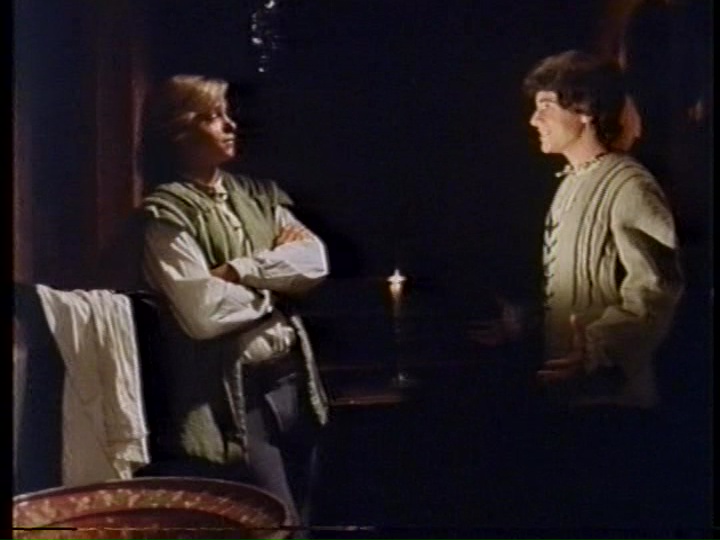
Lance Kerwin and Chris Makepeace in The Mysterious Stranger.

Lance Ker­win and Chris Make­peace in The Mys­te­ri­ous Stranger.

Back in the 1980’s, Nebras­ka Pub­lic Tele­vi­sion under­took an ambi­tious project of film­ing Mark Twain’s less famous books and sto­ries. These were low-bud­get affairs, but they had the mer­it of remain­ing faith­ful to Twain’s texts.

Pud­din’­head Wil­sonis dif­fi­cult for an audi­ence of today to assim­i­late. Few mod­ern view­ers under­stand the social com­plex­i­ties of slav­ery in pre-Civ­il War Amer­i­ca. Twain’s nov­el was writ­ten in 1893, and set in the peri­od 1630–1850. It turns on a “switched babies” plot device, with a slave and a free baby liv­ing out the con­se­quences. The laws of slav­ery per­mit­ted some­one who was 1/32 black to be enslaved, so this is per­fect­ly cred­i­ble. Few now real­ize that many slaves were in this cat­e­go­ry. Twain’s bit­ter satire exam­ines, in turn, all the pre­ten­sions, con­tra­dic­tions, and hypocrisies of a slave-hold­ing soci­ety. Only one char­ac­ter, Pud­din’­head Wil­son, comes off favourably. He is the only one who seems to care about truth, and not to be dri­ven by greed, revenge, or pre­ten­sion. Nat­u­ral­ly, he is dis­missed by all as a “pud­d’n­head”, a fool. The low-bud­get TV film was rea­son­ably well-craft­ed, and boast­ed a fine per­for­mance by Lise Hil­bodt.

But most intrigu­ing is The Mys­te­ri­ous Stranger.This bizarre sto­ry did not exist in any defin­i­tive edi­tion until 1982. Twain worked on it for twen­ty years, pro­duc­ing three extreme­ly dif­fer­ent ver­sions, all of which remained unpub­lished. His lit­er­ary execu­tor, Albert Bigelow Paine, issued a com­pos­ite ver­sion in 1916. The film sticks clos­est to this ver­sion, with some ele­ments of the oth­ers. It’s set in Renais­sance Aus­tria, where a strange youth, call­ing him­self “No. 44, New Series 864962” appears amidst the appren­tices of a print­ing firm. His abil­i­ty to per­form sundry mir­a­cles, and to trav­el any­where in time and space, are revealed to one of the appren­tices. The film ver­sion hints at Twain’s pes­simistic world-view, which some have described as “exis­ten­tial­ist”, though this undu­ly triv­i­al­izes it. Twain strug­gled all his life to rec­on­cile con­flict­ing atti­tudes about him­self and human­i­ty, and no sto­ry of his shows it more than this one. This film ver­sion retains enough of the meta­phys­i­cal spook­i­ness and reli­gious skep­ti­cism to ensure that it would come as some­thing of a shock to any Amer­i­can pub­lic school or “fam­i­ly” audi­ence that saw it. The pub­lic is used to dena­tured, can­di­fied film ver­sions of Twain. Actu­al­ly, it had more suc­cess in Europe, where it was filmed, than in Amer­i­ca. The young tele­vi­sion actor, Lance Ker­win, gave a sur­pris­ing­ly sub­tle per­for­mance as No.44, though for some rea­son, he was not giv­en the star billing — prob­a­bly because the char­ac­ter played by Cana­di­an child star Chris Make­peace is tech­ni­cal­ly the pro­tag­o­nist. Also, Ker­win had been was main­ly a tele­vi­sion actor, while Make­peace had scored suc­cess in film with Meat­balls(1979) and My Body­guard(1980).

(Bogart 1967) Mark Twain Tonight!

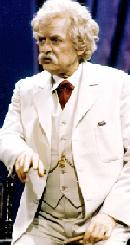
Hal Hol­brook’s one-man stage show, in which he repro­duces Mark Twain’s nine­teenth cen­tu­ry stage appear­ances, is per­haps the most exact and sub­tle rep­re­sen­ta­tion of any pre-cin­e­ma era his­toric fig­ure under­tak­en by any actor. It’s not just Hol­brook’s tech­ni­cal vir­tu­os­i­ty, but the taste and intel­li­gence with which he select­ed from Twain’s writ­ings that makes the per­for­mance unfor­get­table. Much of this mate­r­i­al is high­ly rel­e­vant today. Twain was not a sim­ple man. His ambi­gu­i­ties have fas­ci­nat­ed both his­to­ri­ans and lovers of lit­er­a­ture since he left the world’s stage (just as he entered it) with Haley’s comet. Hol­brook cap­tures this. The 1967 CBS broad­cast of the Broad­way show must have been one of the most amaz­ing tele­vi­sion events of its time. It’s avail­able from Kul­tur, a com­pa­ny that spe­cial­izes in pre­serv­ing notable stage per­for­mances on DVD.