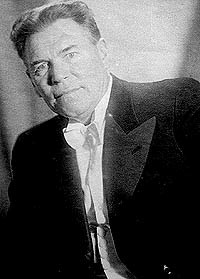
Eduard Artemyev, Stanislav Kreichi, Alexander Nemtin, Shandor E. Kallosh

Moscow’s University’s Theramin Cen­ter pre­serves the only exist­ing ANS pho­to-elec­tron­ic musi­cal instru­ment. The ANS (named after the ini­tials of Scri­abin), worked on the prin­ci­ple of revers­ing the nor­mal process by which music is record­ed on film sound­tracks. A hand­ful of Sovi­et com­posers clus­tered around this obscure project in the 1960s, and most of them sub­se­quently became famous as orches­tral or film score com­posers. This was dur­ing the “loose” peri­od of Krushchev’s regime, when lots of cre­ative projects flour­ished in obscure cor­ners or sci­ence, music and academia.

There is cur­rently a CD release from Elec­troshock Records, Elec­troshock Presents: Elec­troa­coustic Music Vol­ume IV: Archive Tapes Syn­the­sizer ANS1964 – 1971, which cov­ers this peri­od. There is an excel­lent, detailed review of it on the enter­tain­ing and infor­ma­tive site of Ing­var Loco Nordin*, an exper­i­men­tal music fan in Nykop­ing, Swe­den. Nav­i­gate his site from there, because it con­tains lots of leads to inter­est­ing elec­tronic and exper­i­men­tal music. Nordin notes that many of the pieces sound like they were lift­ed from a vinyl record­ing, and it hap­pens that I have the orig­i­nal vinyl. It is a small-for­mat Melodiya album with works by Arte­myev, Kre­ichi, Nemtin, Kallosh com­posed on the ANS syn­the­sizer. All of these men sub­se­quently flour­ished as com­posers, most­ly in film music. Arte­myev is par­tic­u­larly known for his scores for Tarkovsky films. The most ambi­tious work on the record is a sound­track item for the film “Cos­mos”, a col­lab­o­ra­tion of Arte­myev and Kre­ichi. How­ever, a short piece by Kallosh, “North­ern Tale’, strikes me as the most inven­tive. Most of these pieces still hold up fair­ly well, even though any­one could now eas­ily syn­the­size sim­i­lar sounds on their com­puter. A plod­ding, murky treat­ment of a Bach chorale pre­lude is an embarrass­ment, but every­thing else holds up well as music.

*Nordin’s site is no longer active.
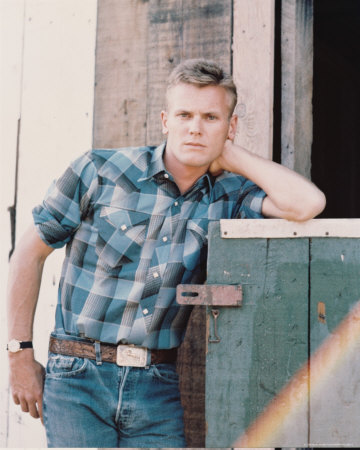
14667. (Tab Hunter & Eddie Muller) Tab Hunter Confidential

06-05-13 14667. (Tab Hunter & Eddie Muller) Tab Hunter ConfidentialI was sur­prised at how much I learned about how Hol­ly­wood works from this biog­ra­phy of a star of the 1950’s. Tab Hunter was a “heart-throb”, an actor who was mar­keted for his hand­some­ness. I frankly don’t find his kind of looks very attrac­tive, but many peo­ple do. His auto­bi­og­ra­phy is “co-authored”, prob­a­bly mean­ing that Hunter was exten­sively inter­viewed, pro­vided tape record­ed rem­i­nis­cences, and the “co-author” put it togeth­er in first-per­son voice. It’s a per­fectly valid way for an actor, who doesn’t hap­pen to be an expe­ri­enced writer, to tell his sto­ry. In this case, the result seems to be unusu­ally hon­est. Hunter stum­bled into movie act­ing, and was ini­tially suc­cess­ful because of his looks. He was gay, and went through the com­plex­i­ties, strate­gies, and per­ils that gay actors had to face in the 1950s. What it par­tic­u­larly charm­ing about the nar­ra­tive is the fact that Hunter (real name Arthur Andrew Kelm), who had an impov­er­ished child­hood in a rather dis­func­tional sin­gle-par­ent fam­ily, was in per­son a rather bash­ful, ret­i­cent, and psy­cho­log­i­cally con­ser­v­a­tive per­son, more com­fort­able with hors­es than peo­ple. His whole­some, boy-next-door image was not an act. How­ever, he was able to attract peo­ple like Antho­ny Perkins and Rudolf Nureyev as lovers. He moved eas­ily in sophis­ti­cated cir­cles in the the­atre, and in Europe’s high soci­ety, with­out alter­ing his per­sona. His act­ing career has nev­er been tak­en seri­ously, though he did some fine work on the stage and in tele­vi­sion, and clear­ly cared deeply about his craft. He strug­gled to get roles that didn’t con­sist most­ly of pos­ing shirt­less. But in the end, he was done in by cul­tural shifts that put his image out of fash­ion. His most intel­li­gent career move was to appear in John Waters’ 1980 low bud­get cult film, Poly­ester. That, and pub­licly com­ing out of the clos­et, won him the respect he had nev­er got­ten as a teen idol. The book is not vin­dic­tive, but it gives a very believ­able account of some of the nas­tier things that went on in the film indus­try in the 1950’s and 1960’s.

14554. (Michel Tremblay) Quarante-quatre minutes, quarante-quatre secondes

PARIS - OCTOBER 19: (FILE PHOTO) Canadian author Michel Tremblay poses while at the Book Fair America in Paris,France on the 19th of October 2002. (Photo by Ulf Andersen/Getty Images)Michel Trem­blay is a giant in Cana­dian lit­er­a­ture, but anglo­phone read­ers are gen­er­ally only famil­iar with his plays. Les Belles-Soeurs(“The Sis­ters-in-Law”) trans­formed french-lan­guage the­atre in Cana­da. He was def­i­nite­ly a van­guard, writ­ing vivid­ly in a col­lo­quial Cana­dian, and explor­ing new sub­ject mat­ter. Over the years, Trem­blay built up a huge cor­pus of work, includ­ing many nov­els and tele­vi­sion dra­mas in addi­tion to the plays, a “comédie humaine” from the sinews of Mon­treal. Trem­blay is an odd­ity, an open­ly gay author who is best known for his under­stand­ing of women. Sat­is­fy­ingly com­plex roles for female actors are hard to find on the stage, and Trem­blay has earned their grat­i­tude and respect.

This is the first of his nov­els that I’ve read. The main char­ac­ter is a singer whose career stalled after a sin­gle album. The book focus­es on the peri­od in the ear­ly 1960s when Montreal’s music scene was espe­cially vital. Félix Leclerc, Gilles Vigneault, Monique Leyrac, Clé­mence Desrochers, Claude Léveil­lée and oth­ers were cre­at­ing fab­u­lous songs, many of them with extra­or­di­nar­ily beau­ti­ful lyrics*. Trem­blay inter­weaves his­tory and fic­tion del­i­cately. The prose style is very, very Cana­dian, anchored in real speech and real thought, with­out any affec­ta­tions. The peo­ple are com­plete­ly believ­able. The sto­ry is struc­tured as an album: ten songs, ten sit­u­a­tions, ten med­i­ta­tions on what might have been. It explores some­thing hard­ly touched on by writ­ers, the soul search­ing of a life that is nei­ther trag­ic nor tri­umphant, but caught, like most of us are, some­where in between. Read more »

(Flaherty 1948) Louisiana Story

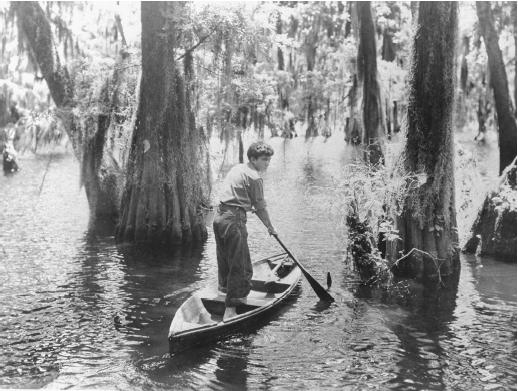
06-05-09 VIEW (Flaherty 1948) Louisiana Story pic 1Amer­i­can film­mak­er Robert Fla­her­ty found fame pro­duc­ing and direct­ing what we would today call “docu­d­ra­mas”, about peo­ple in exot­ic places. His first film, Nanook of the North (1922) about an Inuk hunter in the Cana­di­an arc­tic, was a world­wide suc­cess. The film was act­ed out and staged in a way that dis­qual­i­fies it as a “doc­u­men­tary” in the sense we use the word today — Nanook was real­ly named Allakar­i­al­lak, his “wife” was­n’t his wife, and so on, but there were no rules about such things at the time. It real­ly amount­ed to what his­tor­i­cal re-enac­tors do today. Fla­her­ty fol­lowed this suc­cess, over the years withMoana (1926), set in Poly­ne­sia, Man of Aran(1934) set on an Irish coastal island, andEle­phant Boy (1937), which turned a young Kan­nadi­ga boy from Mysore, Sabu Dasta­gir, into a Hol­ly­wood movie star.

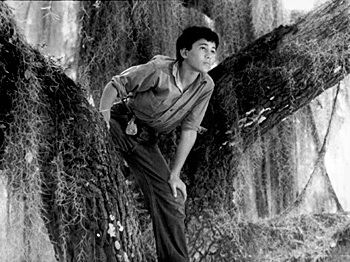
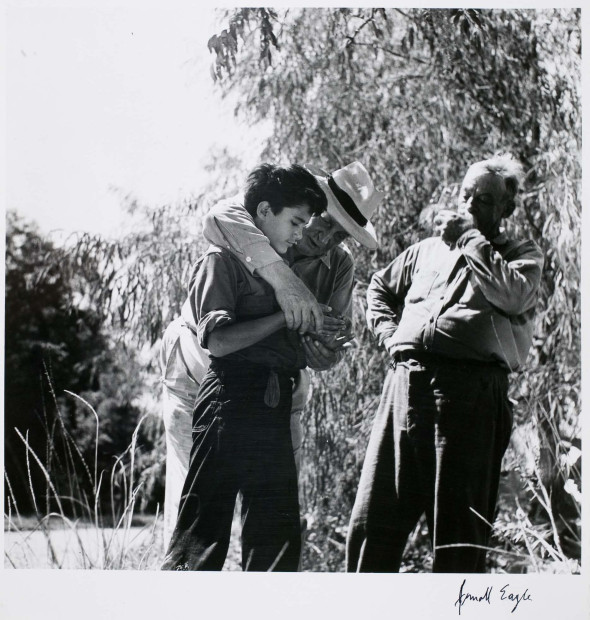
06-05-09 VIEW (Flaherty 1948) Louisiana Story pic 2But to my mind, Fla­her­ty’s great­est achieve­ment was his last fea­ture film, Louisiana Sto­ry (1948). It was com­mis­sioned by the Shell Oil Com­pany to con­vey the “romance” of the intro­duc­tion of an oil rig to the Louisiana bay­ous. This is the sort of idea that would leave an audi­ence cold today, but it no doubt was com­pletely sin­cere in 1948. But Fla­herty wasn’t much inter­ested in oil rigs. He was inter­ested in the exot­ic atmos­phere of Cajun life in the bay­ous and in the inno­cent won­der­ment of the boy. Fla­herty usu­ally took real peo­ple and made movies about them. But in this case, a nar­ra­tive was con­trived, and a local boy, Joseph Boudreaux played a char­ac­ter in rea­son­ably true-to-life scenes. He was so pho­to­genic that the cam­era hard­ly ever left him. The cin­e­matog­ra­phy, by Richard Lea­cock, was crisp and evoca­tive, all the more impres­sive because the light­ing con­di­tions must have been dread­ful. The swamps of the bay­ou loomed like some fan­tas­tic, alien land­scape. A bonus was the superb music by Vir­gil Thomp­son, a com­poser who once loomed large in Amer­i­can con­cert halls, but is unfor­tu­nately neglect­ed today. Boudreaux, by the way, grew up to be an oil rigger.

06-05-09 VIEW (Flaherty 1948) Louisiana Story pic 9

Fla­her­ty prepar­ing Joseph Boudreaux for a scene.

06-05-09 VIEW (Flaherty 1948) Louisiana Story pic 5

06-05-09 VIEW (Flaherty 1948) Louisiana Story pic 6

14658. [2] (William Shakespeare) Henry V [play]

At first glance, Hen­ry Vseems to be one of Shakespeare’s sim­pler plays. It is often inter­preted as straight­for­ward patri­otic pro­pa­ganda. Lau­rence Olivi­er treat­ed it more or less this way in his bril­liant 1944 film ver­sion. But the play con­tains many ele­ments that don’t fit into this inter­pre­ta­tion. I’m more inclined to see it as a study of how a charis­matic fig­ure can delude oth­ers and him­self, using var­i­ous tech­niques of manip­u­la­tion. Shake­speare was always aware of these tech­niques. Marc Antony’s speech to the plebs in Julius Cae­saris prac­ti­cally a text­book on how to manip­u­late a crowd. Hen­ry uses sim­i­lar meth­ods to keep his war in France rolling, and Shake­spear iron­i­cally points out the end results for the ordi­nary men who are caught up in his ambi­tions. He does this very sub­tly, how­ev­er. The play also con­tains the ances­tor of all those Amer­i­can World War II movie scenes where the infantry pla­toon has a guy from Texas, a guy from Iowa, a guy from New Eng­land, and a guy from Brook­lyn, each with his accent and com­ic shtick. In this case, it’s Gow­er (Eng­lish), Fluellen (Welsh), Mac­mor­ris (Irish) and Jamy (Scot­tish) each play­ing out their eth­nic stereo­types which, appar­ent­ly, have remained unchanged for the last five hun­dred years.

Ivan Skobtsov (1900–1983)

06-05-06 LISTN Ivan Skobtsov (1900-1983)Ivan Skobtsov was an oper­at­ic bass at the Bol­shoi for 28 years, but his real achieve­ment was as an inter­preter of Russ­ian folk song. The small for­mat 33&1/3 Melodiyaalbum in my col­lec­tion has only six songs, with unpre­ten­tious accor­dion arrange­ments. From its disc num­ber, I would guess it dates from the late 1960s or ear­ly 1970s. The songs are most­ly dark, trag­ic, or plain­tive, of course.… … total­ly Russian. 

14657. (Dan O’ Neill) The Firecracker Boys

06-05-05 READ 14657. (Dan O’ Neill) The Firecracker Boys pic 1

Edward Teller in a Lawrence-Liv­er­more Labs pub­lic­i­ty photo.

In 1958, the Atom­ic Ener­gy Com­mis­sion made a con­certed effort to con­vince the cit­i­zens of Alas­ka to allow them to explode a series of nuclear weapons on the north­west­ern coast of that state. The effort was direct­ed by Edward Teller, the “father of the hydro­gen bomb”, who trav­elled to Alas­ka to pro­mote the idea. Teller was a for­mi­da­ble oppo­nent of the nuclear test ban treaty. Pres­i­dent Eisen­hower, already extreme­ly dis­trust­ful of what he was already begin­ing to think of as the “mil­i­tary-indus­tri­al com­plex” and expe­ri­enced in the real pol­i­tics of war, was not swayed against the treaty, but he was amenable to Teller’s claims that nuclear weapons could be used for peace­ful pur­poses. The Alas­ka project was at first dubbed “Ploughshare” and then lat­er changed to “Char­i­ot”.

The project was to use nuclear weapons to exca­vate a huge har­bour in a place where it had no con­ceiv­able eco­nomic util­ity, and where it would wreak spec­tac­u­lar destruc­tion of both the ecosys­tem and the human com­mu­nity. It was pro­moted to the Alaskans with raz­zle-daz­zle, con­stantly chang­ing jus­ti­fi­ca­tion, and a land­slide of bare-faced lies. Teller him­self appears to have been an almost path­e­l­og­i­cal liar. Alaskans were told the most fan­tas­tic and absurd things imag­in­able, any con­coc­tion of untruths and half-truths that would pla­cate doubts or shut up oppo­si­tion. Pre­dictably, the local Cham­ber of Com­merce types, the Press, and State leg­is­la­tors jumped on the band­wagon. Here is an exam­ple of the kind of think­ing dis­played by the Anchor­age Times: “Ask­ing Alaskans for a deci­sion on this pro­posed atom exper­i­ment is like a doc­tor ask­ing his patient whether he wants an oper­a­tion. The eas­i­est answer is ‘no’. The doc­tor usu­ally tells the patient he must have one for his own good, and the patient does as the doc­tor says. The atom sci­en­tists are the doc­tor in this case. If they say that ade­quate safe­guards for life and prop­erty have been pro­vided, how can lay­men say oth­er­wise?” Wow, there’s some rugged indi­vid­u­al­ism and crit­i­cal jour­nal­ism for you. Read more »

Tuesday, May 2, 2006 — Death of Jane Jacobs

06-05-02 BLOG Tuesday, May 2, 2006 - Death of Jane JacobsJane Jacobs died last week. I did not always agree with her ideas, but I always had tremen­dous respect for her intel­lect and integri­ty. She was among the century’s most bril­liant and orig­i­nal thinkers, and her pres­ence alone made my city of Toron­to an impor­tant intel­lec­tu­al center.

She was born in 1916, in Scran­ton Penn­syl­va­nia. Her first, and best-known book, The Death and Life of Great Amer­i­can Cities, was pub­lished while she still lived in New York City. It rev­o­lu­tion­ized think­ing about urban plan­ning and the nature of city neigh­bour­hoods. But her sub­se­quent books are equal­ly impor­tant. They log­i­cal­ly moved from the small scale ques­tions she began to ask, such as “why is one street pop­u­lar and safe, and anoth­er shunned and dan­ger­ous?”, through pro­gres­sive­ly larg­er issues of macro-eco­nom­ics, and final­ly to unex­plored areas of ethics. She moved to Toron­to, with her archi­tect hus­band, in 1969, large­ly because of her oppo­si­tion to the Viet­nam War. Once in Toron­to, she quick­ly became a pub­lic fig­ure, spear­head­ing oppo­si­tion to urban poli­cies that had already crip­pled many Amer­i­can cities. Thanks to her influ­ence, Toron­to avoid­ed many of these dis­as­ters. Like any tru­ly good thinker, she man­aged to be arrest­ed at least twice, but she was nev­er an enthu­si­ast for the pos­es and pre­tens­es of the pro­fes­sion­al “activist”. What she was good at was look­ing at the real world with­out the fil­ter of ide­o­log­i­cal ortho­doxy, and then writ­ing down her com­mon-sense con­clu­sions with in a clear, sim­ple style, more akin to the work of Mon­taigne than to the obscu­ran­tist fash­ions of her time. So it didn’t sur­prise me when I learned that, as a lone­ly child, she amused her­self by car­ry­ing on imag­i­nary con­ver­sa­tions with Thomas Jef­fer­son, Ben­jamin Franklin, and an Anglo-Sax­on chief­tain named Cerdric.

I first read her work when I was a teenag­er. One sen­tence of hers had a pro­found impact: “There is a qual­i­ty even mean­er than out­right ugli­ness or dis­or­der, and this mean­er qual­i­ty is the dis­hon­est mask of pre­tend­ed order, achieved by ignor­ing or sup­press­ing the real order that is strug­gling to exist and to be served.”Remem­ber­ing this sen­tenced saved me many times from being tak­en in by the waves of fake “ratio­nal­ism”, pseu­do-sci­ence, and mys­ti­cism mas­querad­ing as rea­son, that char­ac­ter­ized the cen­tu­ry I grew up in. John Sewell, the may­or of Toron­to who actu­al­ly took her ideas seri­ous­ly, did not waste time explain­ing her writ­ings, or their mean­ing. Instead, he spoke of her as a charm­ing din­ner com­pan­ion, addict­ed to sweets (espe­cial­ly but­ter tarts), and relent­less­ly curi­ous and ques­tion­ing. Sewell was even­tu­al­ly oust­ed by an alliance of devel­op­ers, cor­rupt police, and sleazy politi­cians, but in his term in office, Toron­to blos­somed, while oth­er North Amer­i­can cities sank into decay and chaos. Many cred­it this pos­i­tive era to her influ­ence. The sad thing is that Jane’s strug­gle will go on in a new form. In all like­li­hood, her ideas will be over­sim­pli­fied and grotesque­ly dis­tort­ed, and used by some future gen­er­a­tion to do harm. That is the most hor­ri­ble thing about being an orig­i­nal thinker.

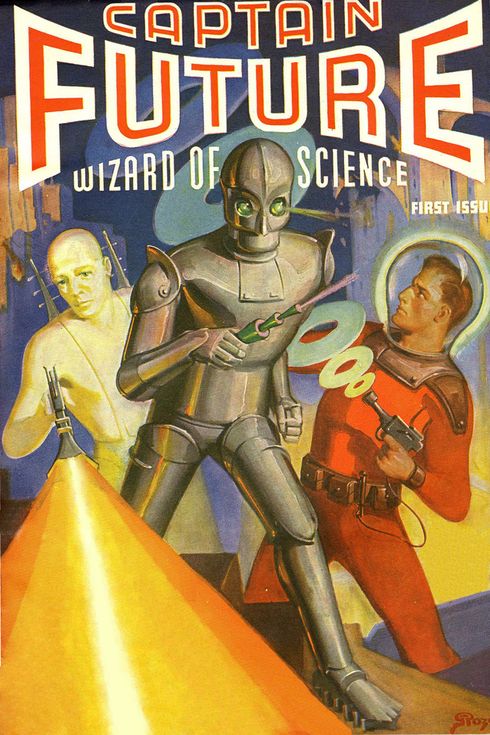
Image of the month: Wizard of Science

06-05-01 BLOG Image of the month - Wizard of Science

First-time listening for April, 2006

15574. (Yeah Yeah Yeahs) Fever To Tell
15575. (Matt Dusk) Two Shots
15576. (Wailin’ Jen­nys) 40 Days
15577. (Ludacris) Chick­en-N-Beer
15578. (Gor­don Down­ie) Bat­tle of the Nudes
15579. (Anton Bruck­n­er) Mass #1 in D Minor Read more »