Ponemah Chippewa Singers: Chippewa War Dance for Pow Wow

Ojib­way com­mu­ni­ties strad­dle the bor­der between Cana­da and the U.S. In Min­neso­ta, where they are often called “Chippe­wa” there has long been a lit­tle gold­mine of musi­cal vital­i­ty at Ponemah, a small set­tle­ment on the long penin­su­la that sep­a­rates Upper and Low­er Red Lake. It’s an area, unusu­al in the U.S., that close­ly resem­bles to wilder, remot­er, more tra­di­tion­al­ist Cana­di­an side of the bor­der. This is where some of the ear­li­est record­ings of Ojib­way music were made, when Kimi­wun’s puber­ty dream­songs were record­ed, a hun­dred years ago. Those songs are most­ly still alive, though they have evolved in both style and the con­text in which they are sung. The Ponemah Chippe­wa Singers car­ried on the tra­di­tion in the 1970s. 

I was play­ing this old tape when my friend Isaac White walked into my apart­ment, and he imme­di­ate­ly rec­og­nized the style. He had heard anoth­er record­ing from the region, and tak­en a lik­ing to it, though he’s a born-bred-and-but­tered Toron­ton­ian who knows noth­ing about native music and had nev­er been to a pow wow. I was aston­ished that his ear was keen enough to spot it, with­out any prepa­ra­tion. It just goes to show how dis­tinc­tive the Min­neso­ta / North West­ern Ontario style is, and how it can speak to an audi­ence out­side its back­woods origins.

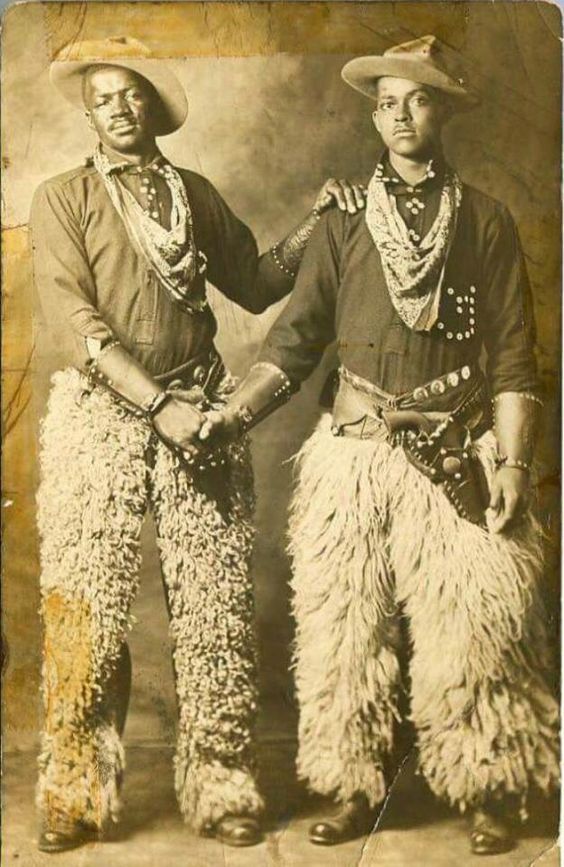
Image of the month: Real Cowboys

13-05-01 IMAGE Real CowboysHis­toric ear­ly pho­to­graph of cow­boys, show­ing how lit­tle they resem­bled their rep­re­sen­ta­tion in movies and tele­vi­sion. Many cow­boys were Black. It was a low-wage, low-sta­tus pro­fes­sion. Authen­tic peri­od Cow­boy Bal­lads sing of lone­li­ness and their out­cast sta­tus: “My Church is the sky, where I wor­ship alone…My par­son­’s a wolf on his pul­pit of bones.”

FILMSAPRIL 2013

(Gar­nett 1949) A Con­necti­cut Yan­kee in King Arthur’s Court
(Comp­ton 1987) Star Trek, the Next Gen­er­a­tion: Ep.11 ― Haven
(Oda 1955) Gigan­tis, the Fire Mon­ster [vari­ant Amer­i­can ver­sion of Godzil­la Raids Again] Read more »

First-time listening for April, 2013

22215. (George Fred­er­ick Hän­del) Vio­lin Sonata in A
22216. (George Fred­er­ick Hän­del) Vio­lin Sonata in G minor
22217. (George Fred­er­ick Hän­del) Oboe Sonata in B‑f
Read more »

READINGAPRIL 2013

20889. (Jaiya & John Hanauer) Sex Posi­tions You Nev­er Thought Possible
20890. (Eric Chris­tiansen) The Norse­men in the Viking Age
20891. (D. Radice & L. Rez­zol­la) Uni­ver­sal­i­ty and Inter­mit­ten­cy in Rel­a­tivis­tic Turbulent 
. . . . . Flows of a Hot Plas­ma [arti­cle]
20892. (Ran­di Foxx) The Posi­tion Sex Bible
Read more »

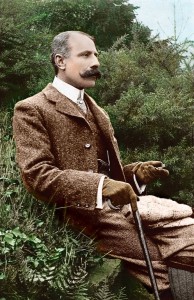
Elgar’s Two and a Half Symphonies

13-04-06 LISTN Elgar's Two and a Half SymphoniesEdward Elgar fell out of fash­ion after World War I, and his exis­tence was bare­ly acknowl­edged by music his­to­ri­ans for the next fifty years. He was so firm­ly asso­ci­ated with British Impe­ri­al­ism, that his music became the sub­ject of sneers. This is par­tic­u­larly sad, because Elgar him­self was a gen­tle, sen­si­tive soul whose pri­mary inspi­ra­tion was nature, and he grew to loathe every per­for­mance of “Land of Hope and Glo­ry”, the bom­bas­tic anthem that had been made from one of his march­es. In the 1890’s he had been a very patri­otic Empire boost­er, along with every­one else. But he was bit­terly dis­ilu­sioned by World War I and sought solace in his beloved Eng­lish coun­try­side. He nev­er much cared for his role as Britain’s Offi­cial Composer.

But despite all the scorn heaped on him, the First Sym­phony, the Cel­lo Con­certo, and the Enig­ma Vari­a­tions con­tin­ued to be per­formed in seri­ous con­certs, while the Pomp and Cir­cum­stance March­es lived on in the Pop Clas­sics reper­toire. The Sec­ond Sym­phony, not at first suc­cess­ful, slow­ly came to be played as often as the first. At his death, he left sketch­es for a third sym­phony, and in 1998, these were trans­formed into a com­plete work by the respect­ed com­poser Antho­ny Payne. Read more »

Gruntruck

Grun­truck was a short-lived, but impor­tant band in the Grunge scene that brewed in Seat­tle in the ear­ly nineties. Ben McMil­lan and Scott McCul­lum, both pre­vi­ously from Skin Yard, Tom­my Niemey­er from The Accused, and Tim Paul, from Napalm Beach formed the line­up at the time of their great­est impact. I have a tape of their sec­ond album, Push (1993), but I would bet­ter rec­om­mend the first, Inside Yours (1990), which I’ve only heard scraps of, but which sound­ed bet­ter to my ear. Their sound, in the sec­ond Album, at least, is very sim­i­lar to Alice In Chains.

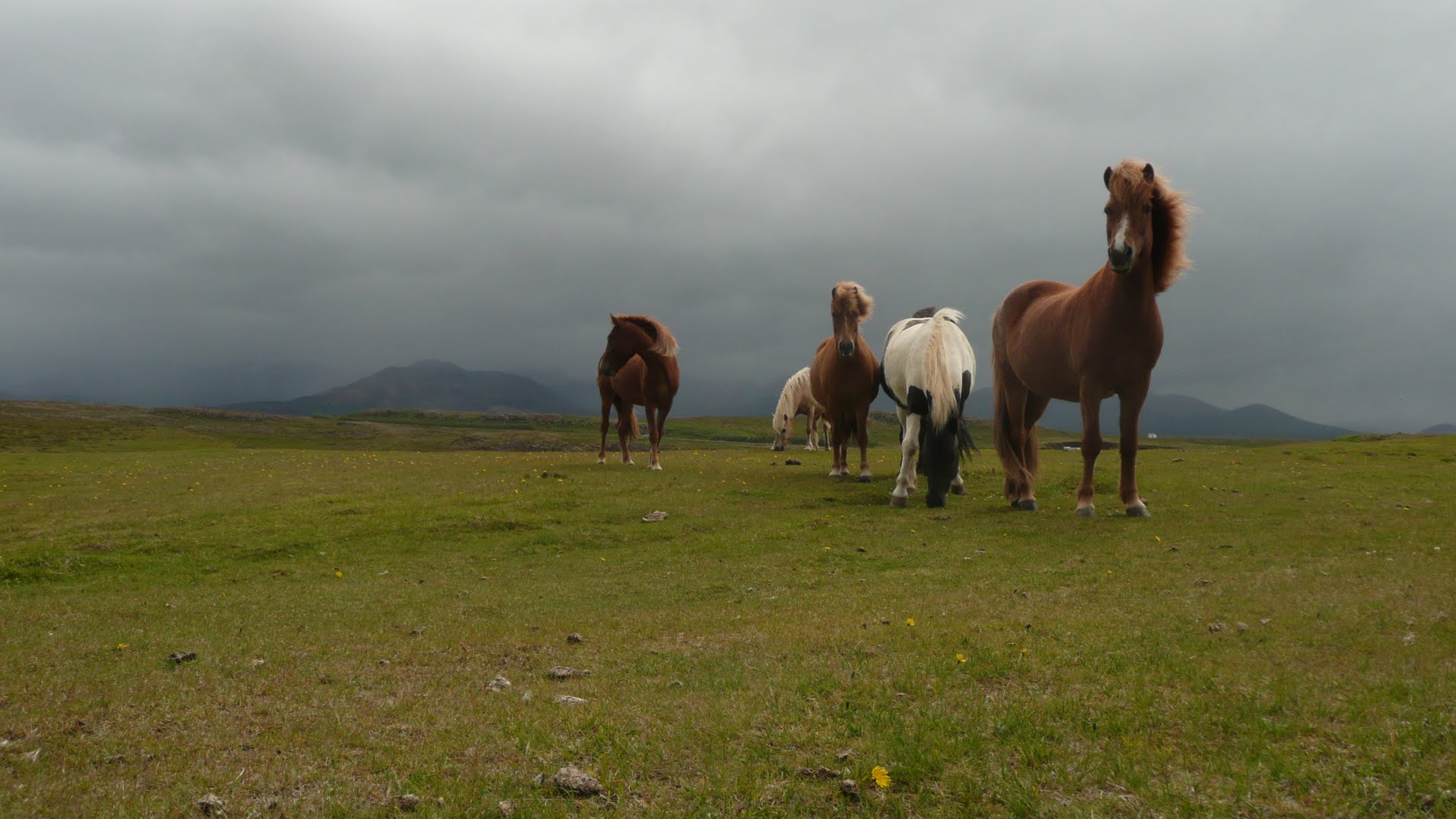
Image of the month: Hestar

13-04-01 IMAGE Hestar

FILMSMARCH 2013

(Petersen 1984) The Nev­erEnd­ing Story
(Hart 1968) Doc­tor Who: Ep.238 ― The Space Pirates, Part 1 [recon­struct­ed]
(Hart 1968) Doc­tor Who: Ep.239 ― The Space Pirates, Part 2
(Hart 1968) Doc­tor Who: Ep.240 ― The Space Pirates, Part 3 [recon­struct­ed]
(Hart 1968) Doc­tor Who: Ep.241 ― The Space Pirates, Part 4 [recon­struct­ed] Read more »

First-time listening for March, 2013

22194. (Oscar Peter­son) Oscar Peter­son I [Verve Jazz Mas­ters #16]
22195. (Vac­cines) Come of Age
22196. (Doz­er) Call It Conspiracy
22197. (Spir­i­tu­al­ized) Sweat Heart Sweet Light
Read more »