READING – FEBRUARY 2013

13-02-28 READING Spectre Is Haunting Texas

Cov­er art by Richard Clifton-Dey for a British edi­tion of
Fritz Leiber’s “A Spec­tre Is Haunt­ing Texas”

20802. (Robert Sheck­ley) The Eye of Real­i­ty [sto­ry]
20803. (Richard Stone­man) Alexan­der the Great
(Elec­tron­ic Text Cor­pus of Sumer­ian Lit­er­a­ture) Lugal­ban­da and Enmerkar [Sumer­ian texts and
. . Eng­lish trans­la­tions]:
. . . . 20804. Lugal­ban­da
. . . . 20805. Lugal­ban­da and the Moun­tain Cave
. . . . 20806. Enmerkar and the Lord of Arat­ta
. . . . 20807. Enmerkar and En-suh­gir-ana
Read more »

Lugalbanda, Beer and Babes

From Lugal­ban­da:

“An will fetch Ningue­na­ka for me from her moun­tain home — the expert woman, who redounds to her moth­er’s cred­it, Ninkasi the expert, who redounds to her moth­er’s cred­it: her fer­ment­ing-vat is of green lapis lazuli, her beer cask is of refined sil­ver and of gold; if she stands by the beer, there is joy, if she sits by the beer, there is glad­ness; as cup­bear­er she mix­es the beer, nev­er weary­ing as she walks back and forth, Ninkasi, the keg at her side, on her hips; may she make my beer-serv­ing perfect.”

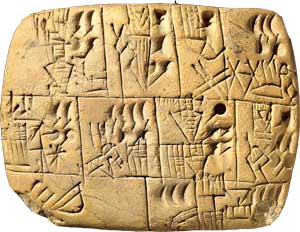
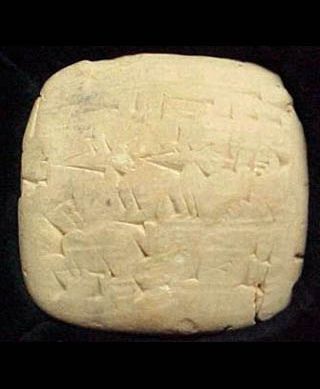
13-02-16 Lugalbanda 1 Beer recipe13-02-16 Lugalbanda 2 Beer receipt

left: A Sumer­ian beer recipe. right: Receipt for a ship­ment of “best” beer from a brew­er, c. 2050 BC from the Sumer­ian city of Umma. 

text from:

(Elec­tron­ic Text Cor­pus of Sumer­ian Lit­er­a­ture) Lugal­ban­da and Enmerkar [Sumer­ian texts and Eng­lish translations]:

23657. Lugal­ban­da
23658. Lugal­ban­da and the Moun­tain Cave
23659. Enmerkar and the Lord of Arat­ta
23660. Enmerkar and En-suhgir-ana

(Ray 1955) Pather Panchali [পথের পাঁচালী; Pôther Pãchali; Song of the Little Road]

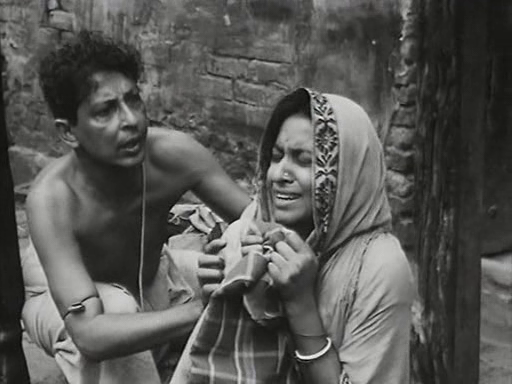
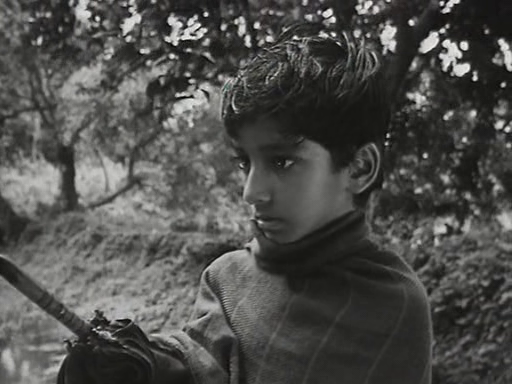
Social real­ism can be pret­ty drab stuff. Or, like this just­ly renowned film mas­ter­piece, it can ele­vate the ordi­nary details of life into the high­est art. There is far more going on in Satya­jit Ray’s bril­liant direc­to­r­i­al debut than the mere record­ing of life. Con­sid­er­ing that he was a novice film-mak­er, the tech­ni­cal crew and actors were ama­teurs, and bud­get was 150,000 rupees (in 1955, less than a san­dal-strap bud­get), Ray was able to cre­ate scenes of aston­ish­ing lyri­cism and inten­si­ty. Among them are that were the two chil­dren, Apu and Dur­ga, chase through a field to see a pass­ing train; where Apu watch­es, won­der-eyed, a vil­lagejatraplay; and the home­com­ing of the father, who learns that his daugh­ter has died. The film was based on the auto­bi­o­graph­i­cal nov­el by Bib­hutib­hushan Bandy­opad­hyay, who lived the intense pover­ty that he wrote of, and knew that the bot­tom of the social scale con­tains as many Ham­lets and Andro­mach­es as does the top. Every­thing about this film is hon­est, and the bril­liant score by Ravi Shankar gives it addi­tion­al depth. Ray went on to film two sequels. The three films are now known as theApu Tril­o­gy— Pather Pan­chali(1955); Apara­ji­to[The Unvanquished](1956) and Apur Sansar[The World of Apu](1959). His sub­se­quent career carved out a space for Ben­gali films, usu­al­ly more seri­ous in pur­pose than the out­put of Mum­bai or Chennai.

Pather Panchali 2Pather Panchali 1

Sunday, February 3, 2013 — How you measure a person’s worth.

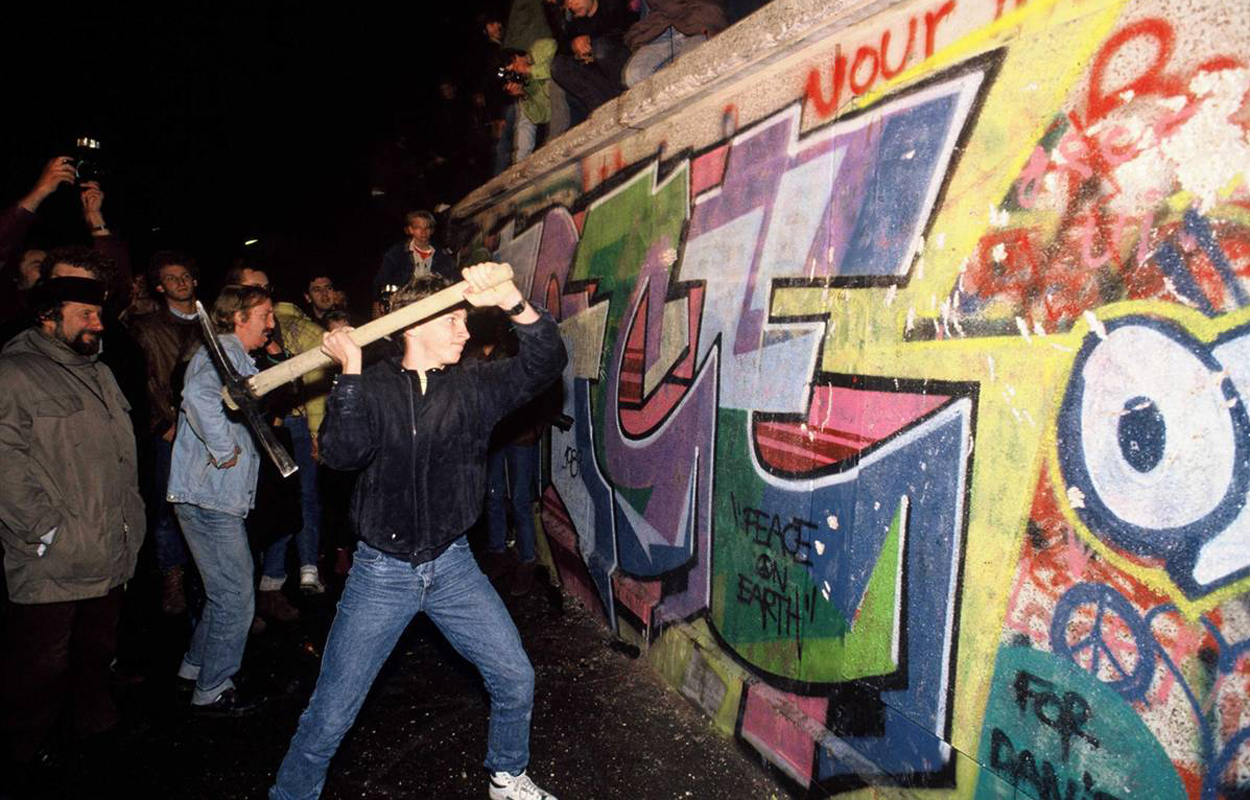
sc-ss-091102-berlin-wall-21.ss_full Read more »

Image of the month: Curiosity and Judgement

Close-Up Of Teenager Wearing Eyeglasses

FILMS – JANUARY 2013

(Juran 1964) The First Men in the Moon
(Gorst 2004) The Big Ques­tion: Ep.1 — How Did the Uni­verse Begin?
(Gorst 2004) The Big Ques­tion: Ep.3 — Why Are We Here?
(Burke 2011) Coast: Ep.48 ― The West­ern Isles and Shet­land Read more »

First-time listening for January, 2013

22167. (Earth, Wind & Fire) Need of Love
22168. (Tame Impala) Tame Impala EP
22169. (Appa­rat Organ Quar­tet) Pólýfónía
22170. (Goril­laz) Lai­ka Come Home
Read more »

READING – JANUARY 2013

20690. (William R. Short) Food, Diet, and Nutri­tion in the Norse Era [arti­cle]
20691. (Tim­o­thy Sny­der) Blood­lands ― Europe Between Hitler and Stal­in
20692. (Hildur Gests­dót­tir) The Palaeopatho­log­i­cal Diag­no­sis of Nutri­tion­al Dis­ease: a Study
. . . . . of the Skele­tal Mate­r­i­al from Skel­jas­tadir, Ice­land [the­sis]
20693. (CBS/AP) Ancient Man­u­scripts Indi­cate Jew­ish Com­mu­ni­ty Once Thrived in
. . . . . Afghanistan [arti­cle]
Read more »

Başar Dikici’ “Köprü”

There were lots of per­for­mances by Başar Diki­ci on YouTube, but I couldn’t find any bio­graph­i­cal infor­ma­tion about him, oth­er than that he was born in Adana. He looks fair­ly young. Dikici’s instru­ment is the Ney, a very sim­ple end-blown flute that has been in con­tin­u­ous use for four or five thou­sand years. A skilled play­er can cov­er three octaves with it. Sim­i­lar instru­ments abound through­out Asia, but the Ney is par­tic­u­lar­ly asso­ci­at­ed with Turk­ish clas­si­cal music. But it’s at home in the many vari­eties of Turk­ish pop music, as well. Read more »

Sunday, January 6, 2013 — Thoughts Generated by Icelandic Shnapps

The fol­low­ing is inspired by my vis­it to Ice­land, but will draw on oth­er expe­ri­ences as well. I still have a bot­tle of Ice­landic Schnapps (“with the good­ness of lichen”), which nobody else I know here in Toron­to is will­ing to drink. I will take a small nip of it every time I fin­ish a paragraph.

I vis­it­ed Ice­land because I had long been fas­ci­nat­ed by its pecu­liar his­to­ry. Its medieval sta­tus as a non-aris­to­crat­ic repub­lic, with unique elec­toral and judi­cial fea­tures, far dif­fer­ent from the urban republics of Italy, com­mends it to any his­to­ri­an of democ­ra­cy. Var­i­ous fea­tures of mod­ern Ice­land are equal­ly inter­est­ing. Con­se­quent­ly, I had been read­ing about Ice­landic his­to­ry and cul­ture for decades before I set foot in the place. One of the rea­sons I was attract­ed to study­ing the his­to­ry and soci­ety of Ice­land was its les­son that a coun­try with a pop­u­la­tion as small as 300,000, blessed with few nat­ur­al resources or strate­gic advan­tages, can pro­vide its cit­i­zens with pret­ty much any­thing they would need in the mod­ern world. While it can­not offer its cit­i­zens air­craft car­ri­ers or lin­ear accel­er­a­tors, it can eas­i­ly pro­vide most of the things that peo­ple in this cen­tu­ry con­sid­er nec­es­sary for a good life. Most of these bless­ings are patent­ly trace­able to its com­mit­ment to, and expe­ri­ence with, effec­tive demo­c­ra­t­ic insti­tu­tions. This les­son is a very impor­tant one for peo­ple in small nations, espe­cial­ly post-colo­nial ones, who yearn for both eco­nom­ic devel­op­ment and the estab­lish­ment of sol­id demo­c­ra­t­ic insti­tu­tions. Ice­land spent many cen­turies as a colony, and many cen­turies in pover­ty. It’s com­plete inde­pen­dence arrived only in the mid-twen­ti­eth cen­tu­ry. It’s achieve­ments since then have, on the whole, been very impres­sive. Read more »