(Levin 1959) Journey to the Center of the Earth

Giant Ice­lander Peter Ron­son, and Gertrude the Eider­duck, the real stars of Jour­ney to the Cen­ter of the Earth

I’m very fond of this absurd 1950s Hol­ly­wood ver­sion of the Jules Verne clas­sic. My broth­er tells me that my child­hood fas­ci­na­tion with pale­on­tol­ogy can be traced to being ter­ri­fied by the “dinosaurs” of the film ― small gar­den lizards with rub­ber fins glued to them, mat­ted into the film. Believe it or not, this was top-of-the-line spe­cial effects when the film was made, the only oth­er option being clay­ma­tion. Oth­er unin­ten­tion­al­ly humor­ous ele­ments of the film include the cast­ing of Pat Boone (yes, Pat Boone!) as a young geol­o­gy stu­dent spout­ing the most pathet­ic attempt at a Scot­tish accent in his­to­ry, and a scene where the adven­tur­ers reach “a place with a mag­net­ic field that snatch­es gold away, the junc­tion of the north and south mag­net­ic fields, the CENTER OF THE EARTH!”, which appears to be a whirlpool in an under­ground ocean. The con­cep­tu­al con­fu­sion in the scene tran­scends any­thing you have ever seen in any oth­er movie. Even Ed Wood had a bet­ter grasp of physics. Jules Verne’s nov­el is quaint, today, but it fit rea­son­ably well into the sci­ence of its time. Some­how, the screen­writ­ers man­aged to push the film’s sci­en­tif­ic under­stand­ing to about two thou­sand years ear­li­er than Verne.

James Mason and Arlene Dahl are the lead actors in the film. It had a big bud­get, a lush score com­posed by Bernard Her­mann, and was part­ly filmed in Carls­bad Cav­erns, though that nat­ur­al won­der appears to be filled with cheap junk jew­el­ery and papi­er maché boul­ders. Mason does a won­der­ful job of keep­ing a straight face as they encounter dinosaurs, giant mush­rooms, and the lost city of Atlantis. A vil­lain fol­lows them, played by Thay­er David, and he gets to utter one of the most won­der­ful bad lines in film his­to­ry: “I nev­er sleep… I hate those lit­tle slices of death.” But despite all that high-pow­ered hami­ness, the film is stolen by Peter Ron­son, an Ice­landic olympic ath­lete who got the part because he was the only Ice­landic-speak­ing giant, mus­cu­lar man avail­able in Hol­ly­wood. His char­ac­ter, Hans, seems to have an unhealthy pas­sion for a pet eider­duck, and the duck accom­pa­nies them to the cen­ter of the earth, meet­ing a trag­ic end when the vil­lain gets hun­gry. Hans’ remorse­less march of vengeance is the most won­der­ful part of the film. Peter Ron­son died, last year. This was his only appear­ance in a film.

15500. (Elinor Ostrom) Governing the Commons: The Evolution of Institutions for Collective Action

This cogent­ly argued book deals with the prob­lem of how peo­ple man­age com­monly held prop­erty where dis­crete sub­di­vi­sion into indi­vid­ual own­er­ship or man­age­ment is not prac­ti­cal, or not desired. Exam­ples of such sit­u­a­tions are fish­ing grounds, joint pas­turage, rota­tional usufruct, and pro­duc­tive forests, but there are numer­ous oth­ers. Much non­sense has been writ­ten on this sub­ject, and Ostrom clears the air with a dis­ci­plined analy­sis. Unlike most of the peo­ple who have pon­tif­i­cated on the top­ic, she has stud­ied spe­cific, real-life instances in great detail. She begins by describ­ing how var­i­ous dubi­ous and unproven notions, such as Gar­rett Hardin’s “Tragedy of the Com­mons” [see above], have been used to advance a vari­ety of ide­o­log­i­cal agen­das, almost always end­ing up jus­ti­fy­ing mas­sive inter­fer­ence and expro­pri­a­tion by the big and pow­er­ful. For exam­ple, the “Tragedy of the Com­mons” gim­mick was used by bureau­cratic cen­tral­ists to jus­tify state con­trol of all resources, and by Neo­con­ser­v­a­tives to jus­tify “pri­va­ti­za­tion” (the seizure and hand­ing over of local­ly owned resources to vast, baro­nial cor­po­rate bod­ies). I live in a coun­try that was pop­u­lated, in great num­bers, by immi­grant Scot­tish high­landers who had been dri­ven off their own lands by Enclo­sure, an ear­ly incar­na­tion of this kind of clap­trap, so it’s easy for me to appre­ci­ate her insights. Ostrom points out that there is no evi­dence that there is any nec­es­sary “tragedy of the com­mons”, that the world abounds with exam­ples of effec­tive col­lab­o­ra­tive con­trol of resources on the local lev­el, and that the argu­ments pre­sented have lit­tle basis in expe­ri­ence, are full of self-con­tra­dic­tion and over­look fun­da­men­tal eco­nomic facts. The book is an impor­tant intel­lec­tual resource for all of us involved in the bat­tle against Big Power.

SIXTH MEDITATION ON DEMOCRACY (written January 10, 2008)

For this Med­i­ta­tion on Democ­ra­cy, the sixth in the series, I will under­take a cri­tique of some cur­rent­ly dom­i­nant ideas about the role of democ­ra­cy in human his­to­ry, and attempt to pro­vide a con­cep­tu­al frame­work for look­ing at democ­ra­cy in a dif­fer­ent, more real­is­tic way. This will mean that some of the ground cov­ered in ear­li­er med­i­ta­tions will be revis­it­ed. It will also draw on the col­lab­o­ra­tive work between myself and Prof. Steven Muhlberg­er, pub­lished in the Jour­nal of World His­to­ry, and on the World His­to­ry of Democ­ra­cy Web­site. I am exclu­sive­ly respon­si­ble, how­ev­er, for the views expressed in this series. 

The cri­tique will rest on these assertions:

Democ­ra­cy is not a tem­po­rary or recent phe­nom­e­non, but a mode of human social behav­iour that has exist­ed since the ear­li­est com­mu­ni­ties of “mod­ern” humans appeared, some­where between six­ty and a hun­dred thou­sand years ago, and which is in turn based on our roots among pro­to-humans and our pri­mate ancestors.

Democ­ra­cy is an expres­sion of fun­da­men­tal ele­ments in human social psy­chol­o­gy, and hence, not “cul­ture-spe­cif­ic” or “belong­ing” to any par­tic­u­lar human cul­ture, eth­nic group, or locality.

Democ­ra­cy is not an “ide­ol­o­gy” co-equal and alter­na­tive to oth­er “polit­i­cal sys­tems”, but is in fact sui gener­is, a mode of human behav­iour fun­da­men­tal­ly dif­fer­ent from ide­olo­gies of pow­er and rule. Read more »

15474. [2] (Garrett Hardin) The Tragedy of the Commons [article]

08-01-07 READ 15474. [2] (Garrett Hardin) The Tragedy of the Commons [article]It’s hard to account for the wide­spread influ­ence of this arti­cle, pub­lished inSci­encein 1968. It’s a poor­ly argued jum­ble of unques­tioned clichés and slip­shod rea­son­ing. Few, now, seem to be aware of the orig­i­nal intent of the arti­cle, which was to jus­tify coer­cive state con­trol of child­birth.With such spe­cious premis­es as “the moral­ity of an act is a func­tion of the state of the sys­tem at the time it is per­formed’ [p.1245 — he took it from Joseph Fletcher’s Sit­u­a­tion Ethics, then mis­ap­plied it], Hardin urged over­whelm­ing state pow­er to reg­u­late breed­ing, cit­ing the threat of “the fam­ily, the reli­gion, the race, or the class… that adopts over­breed­ing as a pol­icy to secure its own aggran­dize­ment”. This is just the old “yel­low per­il” and ter­ror of the low­er class­es of the Vic­to­rian age, dust­ed off and restat­ed in 1960’s pseu­do­sci­en­tific guise. Hardin assert­ed that the pres­ence of “the wel­fare state” and devel­oped economies would ensure an unstop­pable fecun­dity among such unde­sir­ables. Yet, in 1968, it was already evi­dent to all pro­fes­sional demog­ra­phers that that devel­oped economies with infra­struc­tures of social ser­vices invari­ably lev­eled off their birthrates (this is why Europe and Amer­ica now can­not replace their pop­u­la­tions with­out immi­gra­tion). Read more »

15469. [2] (Philip Pullman) The Golden Compass [His Dark Materials, Book 1] 15470. (Philip Pullman) The Subtle Knife [His Dark Materials, Book 2] 15471. (Philip Pullman) The Amber Spyglass [His Dark Materials, Book 3]

A few years ago, while stay­ing in Prague, my friend Fil­ip Marek hand­ed me a copy of Philip Pullman’s North­ern Lights(the orig­i­nal British title, which was changed to The Gold­en Com­passin North Amer­ica). He asked if it was good enough to trans­late into Czech. I was delight­ed with it. It was fresh in its approach and imagery, ele­gantly writ­ten, and would fas­ci­nate both chil­dren and adults. How­ever, I fool­ishly put off read­ing the two oth­er books in the tril­ogy until see­ing the recent film remind­ed me to. Read more »

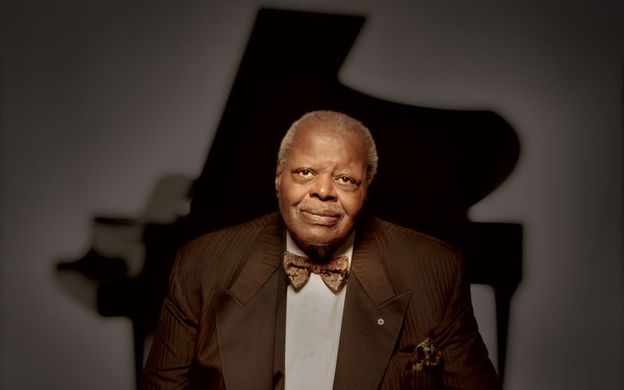
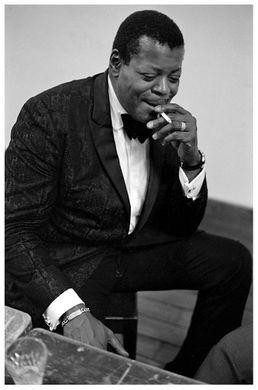
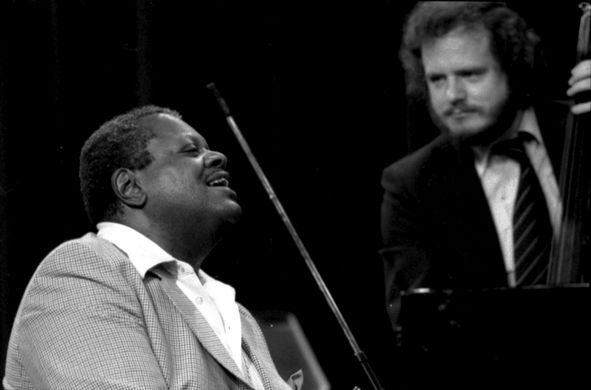
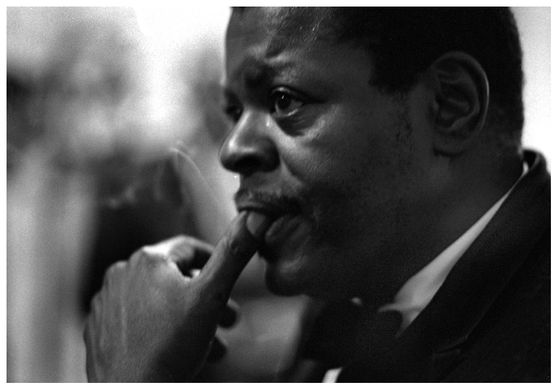
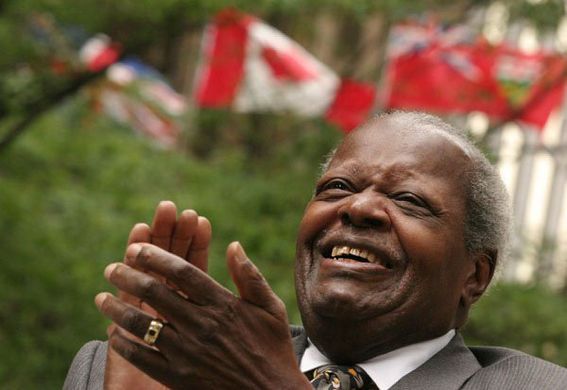
Envoie for Oscar Peterson, (August 15, 1925- December 23, 2007)

08-01-02 LISTN Envoie for Oscar Peterson pic 2Christ­mas in Cana­da was sad­dened by the death of Oscar Peter­son, who is acknowl­edged by many as one of the great­est of our coun­try­men. Dur­ing his immense­ly pro­duc­tive life­time, Oscar exem­pli­fied every­thing that Cana­di­ans tend to admire: calm, equi­lib­rium, gen­tle good humour, an inate and effort­less democ­racy, a com­plete lack of pom­pos­ity and chest-beat­ing, com­bined with a delight in life and plea­sure, and an exact pre­ci­sion in exe­cu­tion. Every flash of fin­gers on the key­board was like a Gret­sky goal. In oth­er words, he was the com­plete oppo­site of what mod­ern con­sumer cul­ture ele­vates as virtues. As long as we had him with us, per­haps, we could not be entire­ly corrupted.

08-01-02 LISTN Envoie for Oscar Peterson pic 4The son of a Cana­dian Pacif­ic Rail­way porter, Peter­son grew up in the Lit­tle Bur­gundy neigh­bour­hood of Mon­treal. It was a pre­dom­i­nantly black neigh­bour­hood that was filled with music, both clas­si­cal and jazz. His musi­cal fam­ily encour­aged him in a clas­si­cal train­ing, and he stud­ied with Paul de Marky, a stu­dent of Franz Liszt. He was psy­cho­log­i­cally a per­fec­tion­ist, and prac­ticed four to six hours a day, even in ear­ly child­hood. By the age of four­teen, his aston­ish­ing vir­tu­os­ity had led him to win a nation­al radio com­pe­ti­tion. His strongest influ­ences includ­ed Art Tatum, Bach, Rach­mani­nov, Nat “King” Cole, Ted­dy Wil­son, and, most notably, his own sis­ter, a music teacher who nur­tured sev­eral Cana­dian jazz stars. He was at his great­est strength in trios, an art­form which he per­fected with the Ray Brown and Herb Ellis, with Ray Brown and Char­lie Smith, and with vir­tu­oso gui­tarist Joe Pass and Niels-Hen­ning Ørst­ed Ped­er­sen on bass.

08-01-02 LISTN Envoie for Oscar Peterson pic 5Peterson’s mod­est deco­rum, always part of his par­tic­u­lar charm, was exem­pli­fied when he was offered the posi­tion of Lieu­tenant Gov­er­nor of Ontario (in Cana­da, this posi­tion, not the Pre­mier­ship, is the polit­i­cal Head of State). Prime Min­is­ter Jean Chré­tien, a life­long friend, was the insti­ga­tor of this trib­ute, but Peter­son turned it down. But Chré­tien did man­age to orches­trate a high­ly emo­tional meet­ing between Peter­son and Nel­son Man­dela. His last years, despite ill-health, were con­cen­trated on teach­ing. He always insist­ed that jazz pianists should mas­ter Bach as part of their basic training.

08-01-02 LISTN Envoie for Oscar Peterson pic 108-01-02 LISTN Envoie for Oscar Peterson pic 3

Image of the month:

08-01-01 BLOG Image of the month

FILMS OCTOBER-DECEMBER 2007

(Mehta 2002) Bol­ly­wood / Hol­ly­wood
(Krish­na 1991) Masala
(Brock 1984) The Liv­ing Plan­et: Ep.1 The Build­ing of–― the Earth
(Cohen 2005) Stealth
(Col­let-Ser­ra 2005) House of Wax
(Dong 2004) Licensed to Kill
(Brock 1984) The Liv­ing Plan­et: Ep.2 The Frozen World
(Bris­tow 2004) Jane Goodall’s Return to Gombe
Read more »

First-time listening for December, 2007

17982. (William Byrd) Dileges Dominum
17983. (William Byrd) Ad Dominum cum tribu­later
17984. (William Byrd) Mass for 5 Voic­es [ver­sion with Pros­pers (4) for the Feast of All Saints]
. . . . . [see reg­u­lar ver­sion [2060]
(Armen Grig­o­ryan, douduk, with ensem­ble) Douduk, the Sound of Arme­nia:
. . . . 17985. (Anon.) Gyoum­r­va Par­er
. . . . 17986. (Say­at Nova) Es Me Gharib Blbu­li Pes
Read more »

READING – DECEMBER 2007

15453. (Matt Rid­ley) The Red Queen ― Sex and the Evo­lu­tion of Human Nature
15454. (Christo­pher Boehm) Hier­ar­chy in the For­est ― The Evo­lu­tion of Egal­i­tar­i­an Behav­ior
15455. (Richard Wran­ham & Dale Peter­son) Demon­ic Males ― Apes and the Ori­gins of
. . . . . Human Vio­lence
15456. (Christo­pher Wal­drep) The Many Faces of Judge Lynch ― Extrale­gal Vio­lence and
. . . . . Pun­ish­ment in Amer­i­ca
15457. (John Ham­mond Moore) Car­ni­val of Blood ― Duel­ing, Lynch­ing, and Mur­der in
. . . . . South Car­oli­na 1880–1920
Read more »