Rinaldo di Capua

We don’t know much about the life of the Neapoli­tan com­poser Rinal­do di Capua, who was born some­where around 1710 and died, in pover­ty and obscu­rity, in 1780. But, briefly, he achieved some fame as a com­poser of opera, and made one of the key inno­va­tions in the trans­for­ma­tion of the sym­phony from a mere suite of vignettes, which could be shuf­fled or sub­sti­tuted like a deck of cards, to its lat­er form as a coher­ent whole, the “sym­pho­ny-sonata” form that makes, say, a Beethoven sym­phony appear as nar­ra­tive as a play, and saw it’s ulti­mate degree of log­i­cal devel­op­ment in Sibelius’ Sev­enth. Accord­ing to the diary of Charles Bur­ney, a musi­cian trav­el­ing in Italy in 1770, di Capua had the same ten­dency to solid­ify the opera buf­fainto some­thing more resem­bling our idea of a dra­matic opera. Bur­ney relates that, after a peri­od of celebri­ty for many operas (all but one of which are lost), he found him “liv­ing, or rather starv­ing in 1770 at Rome, the chief scene of his for­mer glo­ry! This com­poser, whose pro­duc­tions were, dur­ing many years, the delight of all Europe, was reduced at Rome to the utmost indi­gence. Dio­genes the Cyn­ic was nev­er more mean­ly clad through choice, than Rinal­do through neces­sity: a patched coat, and stock­ings that want­ed to be patched or darned.” Bur­ney reports that the old man was par­tic­u­larly bit­ter because he had hoped to pro­vide for his old age by pub­lish­ing his col­lected works, only to dis­cover that his son had burned all his man­u­s­cipts! Hence, we know lit­tle about a fair­ly impor­tant com­poser of the Roco­co peri­od. Toron­to Pub­lic Library’s huge col­lec­tion con­tains noth­ing by him, though the Uni­ver­sity of Toronto’s Thomas Fish­er Rare Book Library [one of the lit­tle-known trea­sures of the city, by the way], has a libret­to of one of his operas, and else­where the Uni­ver­sity has some scraps of sheet music. But one, ran­dom exam­ple of his operas sur­vives, appar­ently a minor ear­ly work. It is La Zin­gara, an Inter­mezo in Two Parts. This was lat­er reworked into some­thing more uni­fied opera, but what sur­vives is in the orig­i­nal opera buf­faform. It was per­formed by the Mainz Cham­ber Orches­tra, with Annelies Moke­witz (sopra­no), Rodol­fo Malacarne (tenor) and Laerte Malaguti (bass). The per­for­mance exists on a Turn­about record­ing which I obtained in a yard sale in my neigh­bor­hood, where yard sales can turn up any­thing. If this one, minor work is any hint, di Capua was a tal­ented man. The melodies are fine, the ritor­nel­los are dra­mat­i­cally effec­tive. I don’t urge any­one to run out and lis­ten, because their chances of find­ing the piece are remote.

Chansons de la Vieille France.…et du Canada

After lis­ten­ing to Nana Mouskouri’s Nou­velles chan­sons de la Vieille France(1978), I dug up the album that pre­ceded it, Vieilles chan­sons de France(1973). Both albums, cov­er­ing a wide vari­ety of tra­di­tional French melodies, some dat­ing from the mid­dle ages, act­ed as a use­ful reminder that Cana­dian folk music owes some­thing to France. The Cana­dian folk tra­di­tion is so sat­u­rated with Celtic ele­ments — one musi­col­o­gist clas­si­fied the whole coun­try as a “Celtic out-island” — that one for­gets that many of the old­est songs docome from France.Lis­ten­ing to these two albums, I found it easy to guess what part of France a song came from. If the song sound­ed vague­ly famil­iar and had a “Cana­dian feel­ing” to it, it turned out to have come from Bri­tanny, Nor­mandy, or the Low­er Loire. These are, of course, the places where the bulk of the first set­tlers in Cana­da orig­i­nated, the mar­itime vil­lages of the west coast of France. Many of these set­tlers did not even speak French, but were Bre­tons, whose Celtic lan­guage is clos­est to Welsh, so the ear­li­est Cana­di­an music already start­ed out on a qua­si-Celtic foot­ing. Sub­se­quently, wave after wave of Scot­tish and Irish music deeply Celti­cized the folk music of all of Cana­da, whether it was sung in French, Eng­lish, Gael­ic, or abo­rig­i­nal lan­guages. But in many cas­es, the orig­i­nal melody does come from France, and occa­sion­ally has sur­vived in both coun­tries. It’s inter­est­ing to hear them sung by a Euro­pean singer, though I sup­pose my own her­itage will ensure that the Celti­cized Cana­dian ver­sions will always feel “the right way” to me.

Mousk­ouri has been called “the the best sell­ing female singer of all time” (though I sus­pect Lata Mangeshkar has a bet­ter claim to that title). A Greek, born at Cha­nia, on Crete, she is still going strong, per­form­ing many con­certs year­ly at the age of 74. She sings in many lan­guages, but she is best known for her work in French, and also Amer­i­can Jazz. Both these albums are delightful.

(Weitz 2007) The Golden Compass

My friend Isaac White mag­i­cal­ly came up with tick­ets to a pre­view show­ing of The Gold­en Com­pass, and we were both pleas­ant­ly sur­prised. We both knew Pullman’s superb nov­el for kids, and did not have high hopes that it would trans­late well into a movie. But we end­ed up quite sat­is­fied with the results. Of course, changes were inevitable, because what works in prose often doesn’t work in film. In order to pre­serve the rather com­plex plot, the pace had to be quick­ened. The book has leisure­ly paced seg­ments punc­tu­at­ed by occa­sion­al bursts of action. By neces­si­ty, the film com­press­es every­thing so that the action sequences dom­i­nate. But the impor­tant thing is that it pre­serves the integri­ty of the book.

And integri­ty is the right word. I’m talk­ing about this on my blog page, because the film is already under vicious attack from all the forces of bar­barism. The book is a pro­found­ly moral one, with a sense of out­rage at injus­tice, that urges its young read­ers to ques­tion author­i­ty, think for them­selves, and rebel against tyran­ny. It has come along just when it is need­ed. The film pre­serves much of this moral strength. So it’s no sur­prise that the march­ing morons are out in force. I have read of numer­ous cas­es where schools are post­ing signs warn­ing their stu­dents against see­ing the movie, and there are boy­cotts being orga­nized by var­i­ous author­i­ties who, appar­ent­ly, have no trou­ble iden­ti­fy­ing them­selves as the intol­er­ant Mag­is­teri­um of the film’s fan­ta­sy story.

Con­for­mi­ty, cow­ardice, igno­rance, and grov­el­ing before author­i­ty are the pre­scribed cul­tur­al norms of the last thir­ty years, in both the Unit­ed States and Cana­da. A whole gen­er­a­tion has been raised in a kind of cesspool of Con­ser­v­a­tive immoral­i­ty. That is the only word for it. Orga­nized reli­gion and gov­ern­ment have com­bined forces to destroy the very idea of moral­i­ty, which depends on the func­tion­ing of the inde­pen­dent, autonomous, rea­son­ing indi­vid­ual mind, and sub­sti­tute its own false gods: Super­sti­tion, and Blind Obe­di­ence. The Con­ser­v­a­tive ide­al is always a world with­out moral­i­ty, and with­out reason. 

This film will, per­haps, offer a ton­ic, a bit of inspi­ra­tion for chil­dren raised in the bleak amoral­i­ty of a Con­ser­v­a­tive cul­ture. Its sym­bol­ism is easy for any bright child to absorb. The “gold­en com­pass” of the sto­ry is a gad­get, but it is clear­ly meant to sym­bol­ize the moral com­pass— the indi­vid­ual com­mit­ment to rea­son and jus­tice that allows a human being to dis­tin­guish right from wrong, free­dom from slav­ery, truth from lies, and hon­our from dis­hon­our. Peo­ple with­out a moral com­pass do what they’re told. They tor­ture pris­on­ers in Guan­tanamo when told to, they let med­dling big­ots man­age their sex lives, they accept rigged elec­tions, they don’t talk back to Those In Charge. They become amoral zom­bies, and that is what pow­er­ful reli­gious orga­ni­za­tions and gov­ern­ments have gen­er­al­ly pre­ferred human beings to be.

His­tor­i­cal­ly, young peo­ple have usu­al­ly found their moral com­pass through art. My under­stand­ing (and hatred of) slav­ery was first learned by read­ing Huck­le­ber­ry Finn, as a child. It is invari­ably the books that touch on sig­nif­i­cant moral ques­tions, that encour­age the young to ques­tion author­i­ty and think for them­selves that attract the atten­tion of the cen­so­ri­ous. Usu­al­ly the rea­sons prof­fered to jus­ti­fy the attacks are spu­ri­ous, what­ev­er sounds most plau­si­ble at the moment, because the under­ly­ing rea­son is too igno­ble to make plain.


Ali Farka Touré, Toumani Diabaté In Perfect Sync

I’ve writ­ten before about Ali Far­ka Touré, the sub­lime gui­tarist and song writer Tim­buk­tu [in blog entry Think­ing of Tim­buk­tu]. In the Heart of the Moonwas the sec­ond last album he released before his death in March of 2006. Here, he is teamed up with mas­ter koraplay­er Toumani Dia­baté, in a spon­ta­neous jam ses­sion, with­out rehearsal. A few over­dubs (some by Ry Cood­er) were lat­er added, but these are dis­creet, and not intru­sive to the effort­less flow of the ses­sion. All twelve tracks are superb. It is also more tra­di­tion­al, hark­ing back to the pre-elec­tric days of the gri­otper­form­ers of clas­si­cal Malian music, and mix­ing both Song­hai and Bam­bara strains. The cumu­la­tive mood is hyp­not­i­cal­ly plea­sur­able. There is no hint of rival­ry in the duets. The kora is built from a cal­abash gourd cut in half and cov­ered with cow skin, with a notched bridge, putting it rough­ly in the man­dolin fam­i­ly. But it’s played some­what like a fla­men­co gui­tar, and the strings give a dis­tinct­ly harp-like sound. Dia­baté is per­haps the finest inter­preter of this instru­ment. Touré, as the more famous musi­cian, doesn’t hog the show. He lets the Diabaté’s kora shine in the lime­light for most of the songs. The sub­tle­ty of their col­lab­o­ra­tion hits the lis­ten­er only as one gets well into the album. If you are going to buy three albums to intro­duce your­self to the glo­ries of the Malian Renais­sance (for that is what is going on in that coun­try), then I rec­om­mend this album, Touré’s The Source, and Amadou et Mariam’s Dimanche à Bamako.

15417. (Matt Ridley) The Red Queen ― Sex and the Evolution of Human Nature

This is a well-writ­ten and inter­est­ing dis­cus­sion of the shifts in the­ory con­cern­ing the evo­lu­tion of sex­ual repro­duc­tion that took place in the 1970s and 1980s, after the old mod­el of “sex­ual repro­duc­tion opti­mizes vari­ety in the gene pool” began to be doubt­ed and under­mined. Some ot these con­tro­ver­sies are very abstruse, and Rid­ley did a good job of clar­i­fy­ing them for a non-pro­fes­sion­al read­er. It was pub­lished a decade ago, but from what I under­stand there has been no major shift in the the­o­ret­i­cal land­scape since then, so I wouldn’t say it was out­dated. The weak­est part of the book is where Rid­ley tried to apply the bio­log­i­cal find­ings to human soci­ety. For exam­ple, he rather mis­un­der­stood the “tragedy of the com­mons” the­sis and mis­ap­plied his bio­log­i­cal mod­el to a social ques­tion in which he had the facts wrong. [I think I’ll write more on this in a future blog, after I rus­tle up some sources]. But the book was still a good job of sci­ence pop­u­lar­iza­tion, and Rid­ley had the good taste not to turn the peo­ple he dis­agreed with into vil­lains and rec­og­nized that good sci­ence can be done by peo­ple on the wrong track (and bad sci­ence can be done by peo­ple on the right track).

Image of the month:

07-12-01 BLOG Image of the month

First-time listening for November, 2007

17809. (Chris­tos Hatzis) Con­stan­tino­ple
17810. (DJ Assas­sin) The Stalk­er EP
17811. (Out­Kast) Big Boi and Dre Present….OutKast
17812. (Souad Mas­si) Mesk elil
17813. (Asia) Asia
Read more »

READING – NOVEMBER 2007

15427. (Peter James) Cen­turies of Dark­ness ― A Chal­lenge to the Con­ven­tion­al Chronol­o­gy
. . . . . of Old World Archae­ol­o­gy
15428. (Lawrence H. Kee­ley) War Before Civ­i­liza­tion
15429. (Tim­o­thy Kyger) Inter­na­tion­al Space Sta­tion (ISS): Past, Present, and Future ― A
. . . . . Cri­tique [arti­cle]
15430. (Stephen Grey) Ghost Plane ― The True Sto­ry of the CIA Tor­ture Pro­gram
(Sea­mus Heaney –tr.) Beowulf ― A New Verse Trans­la­tion:
. . . . 15431. (Sea­mus Heaney) Intro­duc­tion [pref­ace]
. . . . 15432. Beowulf [bilin­gual text; orig­i­nal Anglo-Sax­on and trans.by Sea­mus Heaney]
Read more »

The Soul of Mbira

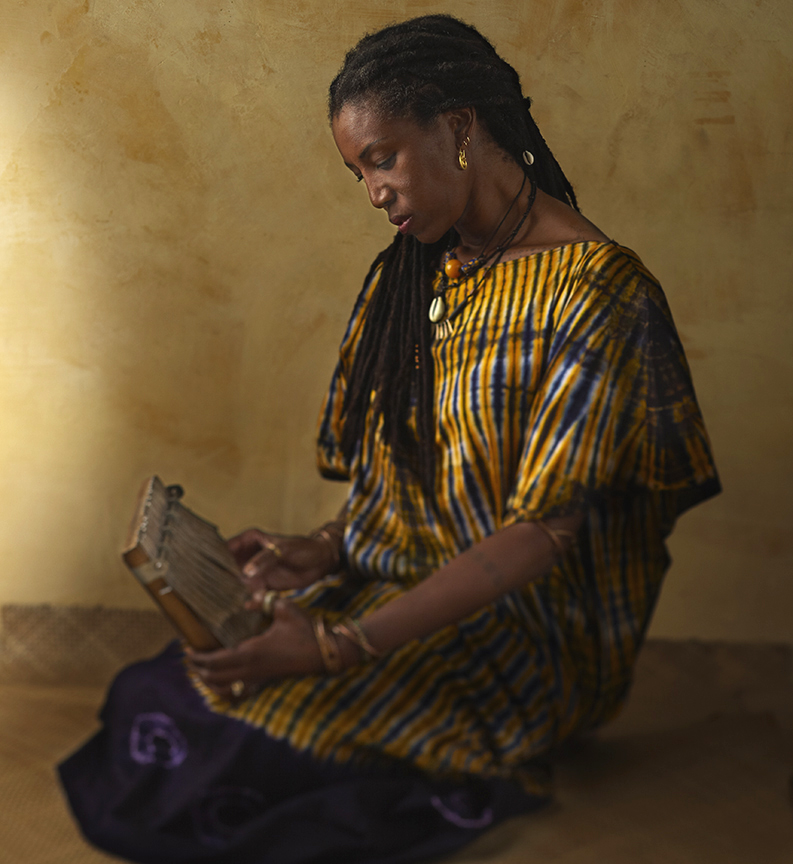
07-11-26 LISTN The Soul of MbiraI’ve just acquired Zim­babwe: Tra­di­tions of the Shona Peo­ple ― The Soul of Mbi­ra. Most eth­no­log­i­cal record­ings are of lim­ited inter­est to non-spe­cial­ists, but the sound of the African instru­ment known as the mbi­raor kalim­bais so delight­ful that a broad audi­ence can enjoy this album. The album con­sists of record­ings made in Zim­babwe by eth­no­mu­si­col­o­gist Paul F. Berlin­er. Berlin­er is the acknowl­edged author­ity on mbi­ramusic, and author of The Soul of Mbi­ra, pub­lished in 1993 by Uni­ver­sity of Chica­go Press. The mbi­ra con­sists of a wood­en sound­ing board, on which tuned iron keys are mount­ed. The keys are played by the thumbs. The music of the mbi­ra, as it is played by the Shona peo­ple of Zim­babwe, is com­plex and polyrhyth­mic, often giv­ing the impres­sion of sev­eral instru­ments played at once. The form of mbi­ra pieces, usu­ally accom­pa­nied by a drum called the hosho, vague­ly resem­bles the works of Philip Glass, in that com­plex repeat­ing pat­terns slow­ly mutate over a long time. The mbi­ra is doc­u­mented in African cul­ture as ear­ly as 1589, and is prob­a­bly much old­er. It may be close­ly asso­ci­ated with the tech­nol­ogy of iron smelt­ing, which in turn is asso­ci­ated with the expan­sion of the Ban­tu-speak­ing peo­ples of Africa. There was very good qual­ity iron smelt­ing in the Muta­pa Empire of the 13th to 17th centuries.

While the mbi­ra has not spread out of Africa in the same way that the ban­jul(ban­jo) did, it has some affi­ciana­dos in the rest of the world. Earth, Wind and Fire, the eclec­tic Chica­go-based band of the 1970s, fea­tured the kalim­ba. This is a vari­ant of the mbi­ra, tuned dia­ton­i­cally in the key of G, with the keys placed in a non-tra­di­tion­al man­ner (adja­cent notes on the scale sit­ting on oppo­site sides). It was invent­ed in the 1950’s and was an “export” ver­sion of the instru­ment, orig­i­nally mar­keted by a New Jer­sey firm as a toy! Earth, Wind and Fire’s band­leader, Mau­rice White, became quite pro­fi­cient on the instru­ment, and his per­for­mances helped res­cue the instru­ment from its “toy” status.

(Wu 2000) Yingxiong Zheng Chengong [Hero Zheng Chengong / or / Sino-Dutch War 1661]

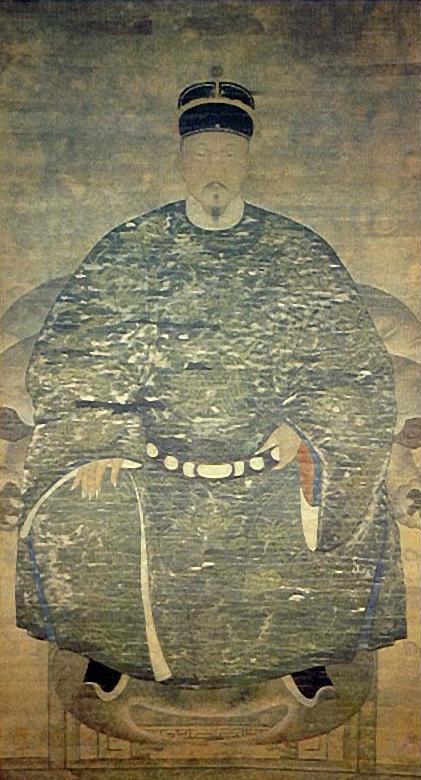
Zheng Cheng­gong as por­trayed by an unknown 17th cen­tu­ry artist …

… and by actor Zhao Wenzhou

Tai­wan is an island which was orig­i­nal­ly pop­u­lat­ed by Malayo-Poly­ne­sian peo­ples. Over a peri­od of about five hun­dred years, it absorbed set­tlers from the Chi­nese main­land, main­ly from the province of Fujian. The abo­rig­i­nal peo­ples where dis­placed and absorbed, and only two per­cent of Tai­wan’s pop­u­la­tion are now iden­ti­fied in this group. The bulk of the pop­u­la­tion speak a vari­ety of Min Chi­nese some­what sim­i­lar to that of Fujian. How­ev­er, Man­darin is the offi­cial lan­guage, taught in the schools, and nec­es­sary for all offi­cial and busi­ness pur­pos­es. The Dutch con­trolled the island between 1624 and 1662. Zheng Cheng­gong [鄭成功], or more cor­rect­ly Koxin­ga [國 姓爺] was a Ming loy­al­ist who defeat­ed the Dutch. He’s been adopt­ed as a hero by both the Bei­jing regime,to whom he rep­re­sents Chi­nese rule over Tai­wan, and by Tai­wanese nation­al­ists, for whom his rear-guard action against the Qing rep­re­sents a par­al­lel with Chi­ang’s Kai-shek. When Chi­ang’s Kuom­intang Par­ty was defeat­ed in 1949–50, he and his fol­low­ers retreat­ed to Tai­wan, which had only recent­ly been lib­er­at­ed from Japan. Curi­ous­ly, the Japan­ese rulers of Tai­wan also con­sid­ered Zheng a hero, because his moth­er was Japan­ese! Every­one seems to want a slice of Zheng. Any movie about him is, ipso-fac­to, bound to be polit­i­cal­ly moti­vat­ed. Read more »