14856. (Robert Smith Thompson) Empires On the Pacific ― World War II and the Struggle for the Mastery of Asia

This out­line of the mil­i­tary and diplo­matic his­tory of the Pacif­ic the­atre of WWII is of mixed val­ue. In describ­ing the oper­a­tions of Amer­i­can forces, it is quite good. Thomp­son describes the main bat­tles in lit­tle vignettes, which are well-cho­sen and well-writ­ten. But some of the book touch­es on Chi­na, and in these parts, he depends heav­ily on the dis­cred­ited and gen­er­ally worth­less reportage of Edgar Snow, per­pet­u­at­ing myths man­u­fac­tured by the Com­mu­nist Par­ty. Thomp­son believes, like many peo­ple once did, that if only Wash­ing­ton had struck a deal with Mao, they would have built a fruit­ful rela­tion­ship with him. This is non­sense. Thomp­son is quite right that Gen­eral Stillwell’s eval­u­a­tion of Chi­ang Kaishek was basi­cally cor­rect. Chi­ang was insuf­fer­ably cor­rupt, and made lit­tle seri­ous effort to resist the Japan­ese, doing only the bare min­i­mum that would ensure the flow of aid. How­ever, if the Nation­al­ists under Chi­ang did lit­tle to fight the Japan­ese, the Com­mu­nists under Mao did absolute­ly noth­ing. Mao not only had no inter­est in fight­ing the Japan­ese, he had been hop­ing the Japan­ese would destroy Chi­ang and occu­py a large part of the coun­try, which would leave the rest of the coun­try in his hands and force Stal­in to acknowl­edge his per­ma­nent pow­er. In fact, the Com­mu­nists’ only known armed exchange with the Japan­ese was an acci­den­tal skir­mish, which aroused Mao’s fury. He would have entered into a pact with the Japan­ese the sec­ond it was possible.

Image of the month: Raven

06-12-01 BLOG Image of the month - Raven

First-time listening for November, 2006

16729. (Edward Elgar) Chan­tant for Piano
16730. (Edward Elgar) Pas­tour­relle, air de bal­let
16731. (Edward Elgar) Rose­mary [piano ver­sion]
16732. (Edward Elgar) Griffinesque for Piano
16733. (Edward Elgar) Sonati­na [orig­i­nal ver­sion]
Read more »

READING – NOVEMBER 2006

14835. (Ken­neth Hsien-yung Pai [Bái Xiānyǒng] ) Crys­tal Boys
14836. (Alfred J. Andrea) The Cru­sades in the Con­text of World His­to­ry [arti­cle]
14837. (Iota Syk­ka) Unique Myce­naean Suit of Armor Due for Con­ser­va­tion [arti­cle]
14838. (Cesare, march­ese di Bec­ca­ria-Bone­sana) Des dél­its et des peines, tra­duc­tion nou­velle
. . . . . et seule com­plète, accom­pa­g­née de notes his­toriques et cri­tiques sur la lég­is­la­tion
. . . . . crim­inelle anci­enne et mod­erne, le secret, les agens provo­ca­teurs, etc.

14839. (François-Marie Arou­et, dit Voltaire) Com­men­taire sur le livre Des dél­its et des
. . . . . peinesde César de Bec­ca­ria
14840. (Joseph Michel Antoine Ser­van) Dis­cours sur La jus­tice crim­inelle, 1766, avec des notes
Read more »

Monday, November 27, 2006 — Fix This Image In Your Head

Fidel Cas­tro is final­ly dying. It’s obscene that he dies of old age, in lux­u­ry, still in pow­er, after a life­time of suc­cess­ful slave-trad­ing, mur­der, tor­ture, exploita­tion, racism, and homo­pho­bia. I expect to have to endure the effu­sions of thug-wor­ship (mixed with a lit­tle strate­gic mild crit­i­cism) that will come when he dies. They will turn my stom­ach, as they should any decent per­son, but they are cus­tom­ary when any long-lived crim­i­nal dies. But before the cir­cus parade of mythol­o­gy starts rolling, it is impor­tant that good peo­ple remem­ber, and fix in their minds, the truth­ful image that sums up Fidel. This image is espe­cial­ly impor­tant for the world’s Gays to remember.

All Marx­ist regimes have per­se­cut­ed gays, start­ing with Lenin, who sent many thou­sands to tor­ment and exe­cu­tion in the spe­cial White Sea Canal death camps. But no Marx­ist dic­ta­tor was as obsessed with abus­ing gays as Fidel Cas­tro. Even when he was first becom­ing known to jour­nal­ists, at a peri­od when homo­pho­bia was almost uni­ver­saly accept­ed, they were shocked by the para­noid fanati­cism of Castro’s hatred for gays.

Once in pow­er, Cas­tro wast­ed no time round­ing up gays, or any­one who appeared gay. Truck­loads of par­ty zealots combed the streets look­ing for any­one who looked like a fag. They were arrest­ed and sent to the infa­mous UMAP slave labour camps. The UMAP [Mil­i­tary Units to Aid Pro­duc­tion] camps were usu­al­ly sug­ar plan­ta­tions. Any­one whom Cas­tro deter­mined to be a “class ene­my” did hard labour in them. This includ­ed any­one who crit­i­cized Marx­ist ortho­doxy, was open­ly reli­gious, com­plained of Com­mu­nist greed or bru­tal­i­ty, or who belonged to some minor­i­ty. But there were spe­cial camps for gays, usu­al­ly with a harsh­er regime, and in which crude exper­i­ments with elec­troshock and brain­wash­ing were perpetrated.

The UMAP camps were described in detail by a doc­tor, José Luis Llovio-Menén­dez, who was sent to one, and was required to act as camp medic. Even the weak­est and most seri­ous­ly injured were forced to go back to the cane-fields, but he could usu­al­ly admin­is­ter some med­i­cine, and in a few hero­ic con­fronta­tions he man­aged to get lenien­cy for some of the most wretched vic­tims. Inmates at the camps worked at exhaust­ing phys­i­cal labour, usu­al­ly cut­ting sug­ar cane, from 4:30 A.M. to 7:00 P.M. Lunch was a slimy bowl of chick­peas. Latrines were fetid hells, swarm­ing with flies. Dis­ci­pline was severe in all the camps, but it was met­ed out to gays with spe­cial sadism and fury. They were rou­tine­ly beat­en in the cane fields, as they worked, were made to stand in the hot sun for eight hours, or were placed overnight, naked, in pits of filth while mos­qui­toes fed on them. Worst of all was the dread­ed “rope pun­ish­ment”, whip­pings with a coarse rope of aguave. If you know the plant, you know it is the ide­al mate­r­i­al for torture.

One image is fixed in the good doctor’s mind:

“As I was leav­ing the office by the back door, reflect­ing on the good for­tune of my trans­fer ― no more work in the fields ― I saw one of the most degrad­ing and depress­ing sights I’ve ever wit­nessed. In the cen­ter of the court­yard, tied by both hands to the top of the flag­pole, there hung a boy of about twen­ty, his body sway­ing in the breeze just below the raised flag.”

The young man was chopped down just in time to save him from los­ing his hands.

Now, I want read­ers to fix this image in their minds, and when Castro’s death is announced, to remem­ber it. This is what he should be remem­bered for. All else is unimportant.

14851. (Stanley Elkin) The Living End

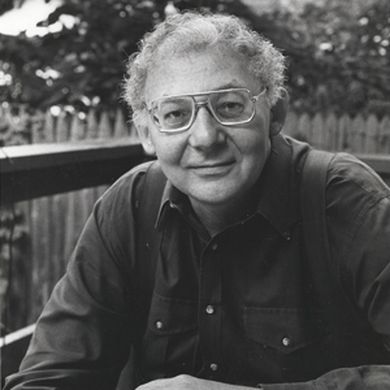
Stanley Elkin

Stan­ley Elkin

Stan­ley Elkin was nev­er exact­ly pop­u­lar, but his dark tra­gi-com­ic fan­tasies appealed to an off-beat minor­ity. The Liv­ing End, writ­ten in 1979, is still very read­able, though hard to describe. It man­ages to include a jour­ney through heav­en and hell where there real­ly are pearly gates, and you are real­ly damned to eter­nal tor­ment because you took the Lord’s name in vein, and a war between Min­neapo­lis and St. Paul [“Let me tell you some­thing, gen­tle­men. A St. Paul baby ain’t got no busi­ness on the point of a Min­neapo­lis bay­o­net.”] Elkin’s twist­ed humour is not for every­one. Does any­one read him, nowa­days? So many inter­est­ing and unique writ­ers end up lost in the shuf­fle of time.

Wednesday, November 22, 2006 — Canada Is At War With Pakistan. Didn’t Know That, Did You?

Cana­da is at war with Pak­istan. It is symp­to­matic of the stu­pid­i­ty, con­fu­sion and cow­ardice that has brought us into this sit­u­a­tion that hard­ly any­one in Cana­da seems to know it, and few of those are will­ing to admit it. In the Alice-In-Won­der­land log­ic of this new mil­len­ni­um, we are at war with a coun­try who is our declared ally. That coun­try’s dic­ta­tor toured our coun­try to loud applause, and cracked jokes on our tele­vi­sion talk shows. Few had the courage to point out the obvi­ous: Pakistan’s dic­ta­tor, Per­vez Mushar­raf, is con­duct­ing a ter­ror­ist war on Afghanistan, a coun­try which we are com­mit­ted to defend­ing, and it is his sur­ro­gates, con­fed­er­ates, and agents who are killing Cana­di­an sol­diers. He is armed with nuclear weapons, his repres­sive regime is the polar oppo­site of every­thing Cana­da is sup­posed to stand for, and he is attack­ing us, killing our cit­i­zens — and yet our lead­ers kiss his bum every chance they get. We are bow­ing and scrap­ing before the man who is killing our sol­diers. Wash­ing­ton has so declared, and our gov­ern­ment zeal­ous­ly obeys. That is what Prime Min­is­ter Harp­er con­sid­ers to be “sup­port­ing our troops”. Read more »

Clare Adlam

There’s a tra­di­tion of folk fid­dling all across Cana­da. The vari­a­tion that devel­oped in rur­al Ontario is less well known than the rich tra­di­tions of Que­bec and the Mar­itime Provinces. To tell the truth, it’s rather tame com­pared to the east­ern styles. You get the impres­sion that the phleg­matic Old Ontar­i­ans did not let their hoe­downs get too far down. But there are some pleas­ant tunes, and some of the “old tyme fid­dlers” in the province where fine musi­cians. Clare Adlam has a pret­ty con­vinc­ing claim to hav­ing been the best. Begin­ning his pro­fes­sional career at the age of four, and hav­ing his own radio show at the age of four­teen, he dom­i­nated this lit­tle musi­cal niche for an incred­i­ble sev­en­ty-five year per­form­ing career. “Adlam’s Apple”, a vinyl issued in 1978, is the only record­ing you are like­ly to find, and it con­tains a mix of stan­dards and Adlam’s orig­i­nals, the best being “Geor­gian Bay Two Step”.

14843. (Nicholas Ostler) Empires of the Word, A Language History of the World

The title of this book is a lit­tle mis­lead­ing. Only a few of the world’s thou­sands of lan­guages are even men­tioned in it. What the book is real­ly about is the suc­cess­ful Lin­gua fran­cas, the lan­guages that achieved wide­spread usage through con­quest, trade, or cul­tural pres­tige. So his atten­tion focus­es on Akka­dian, Ara­maic, Greek, San­skrit, Chi­nese, Malay, Latin, Por­tuguese, Span­ish, French, Russ­ian, and Eng­lish, each of which expand­ed far beyond their eth­nic pud­dles. On this top­ic, it is a fine intro­duc­tion to the gen­eral read­er. Any­one who stud­ies world his­tory should read it. Ostler is at his best when talk­ing about San­skrit, which he obvi­ously is par­tic­u­larly attract­ed to. His expla­na­tion of why San­skrit is so rich in puns, for exam­ple, is very inter­est­ing. Else­where, I’ve writ­ten about the sophis­ti­ca­tion of the San­skrit gram­mar­ian Pani­ni. Ostler gives a clear expla­na­tion of why his work is so remark­able. Ostler is not, like many peo­ple who have writ­ten on the top­ic, unthink­ingly tri­umphant about the future dom­i­nance of Eng­lish as a world lan­guage. In the book, he shows exact­ly how a “uni­ver­sal” lan­guage can evap­o­rate its own util­ity and pop­u­lar­ity. Per­son­ally, I sus­pect that Eng­lish will retain its role as the “Latin” of this cen­tury, and that this will in no way inhib­it the renais­sance of local ver­nac­u­lars and new region­al play­ers. We are enter­ing a new age of lin­guis­tic wealth.

Tuesday, November 7, 2006 — Unsung Legal Minds of the Enlightenment

In a review, a while back, I men­tioned Dr. John Snow, the founder of mod­ern epi­demi­ol­o­gy, as an exam­ple of a per­son who should be incred­i­bly famous, but is not. Our received con­nect-the-dots his­to­ry of the world high­lights many incon­se­quen­tial and pho­ny per­son­al­i­ties, and gen­er­al­ly ignores the peo­ple who real­ly do things for the human race. Read more »