14560. (Henry David Thoreau) A Yankee In Canada [ed. Maynard Gertler] (Henry David Thoreau) Thoreau: Walden and Other Writings [ed. Joseph Krutch]

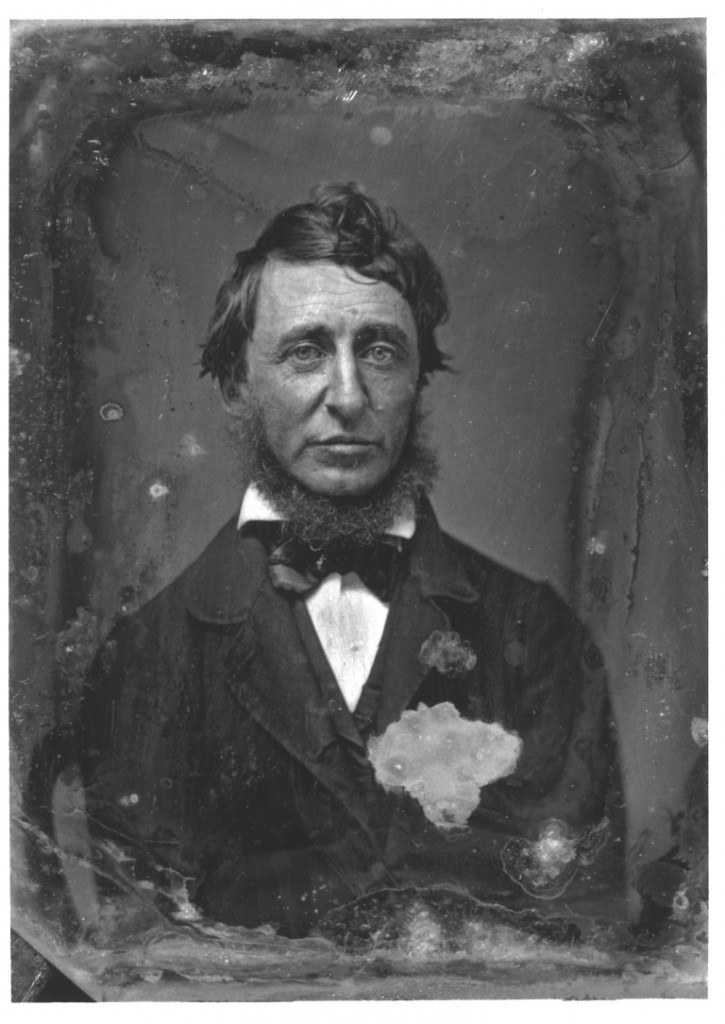
06-01-18 READ 14560. (Henry David Thoreau) A Yankee In CanadaThore­au is one of those peo­ple that you might read as a teenag­er, then keep in the back of your mind for the rest of your life. But do you get around to re-read­ing him lat­er in life? One thing that strikes me now, on reread­ing him, is how much he gets dis­tort­ed by false mem­o­ry. How many peo­ple have decid­ed that the ide­al life is on a farm, and talk about Thore­au and “sim­plic­i­ty”? But for the actu­al Thore­au, farm life was the com­plex rat race he was flee­ing from! He com­plained that every­one he knew was car­ry­ing a barn on their back. One man’s sim­plic­ity is anoth­er man’s 1984, I sup­pose. The econ­o­mist John Ken­neth Gal­braith who had grown up on one of those dour Scot­tish-Cana­di­an farms in south­ern Ontario once explained that after milk­ing cows with frozen teats on sub­zero morn­ings and bail­ing hay by hand, noth­ing he ever did as an adult was clas­si­fi­able as work, and he would much rather be a pro­fes­sor than go back to that sim­plic­ity, thanky­ou very much. I did my own fair share of farm work, and even with more mod­ern machin­ery, I know exact­ly what he meant. Try stand­ing up to your knees in half frozen sheep shit while cold driz­zle soaks into you, for an entire day, while you wres­tle fierce­ly kick­ing ani­mals to the ground, one after anoth­er. Sim­plic­ity, indeed.

On reread­ing, I found Walden and Civ­il Dis­obe­di­ence to be pret­ty much as I remem­bered them. Thore­au made it clear in Walden that he was mak­ing an exper­i­ment in self-dis­ci­pline, not design­ing a blue­print for every­one to live by. He had enough sense to know that if every­one tried to live off the beans in their back­yard, the result would be grind­ing medieval pover­ty, not inde­pen­dence. He was not going off to live in a cave. He walked to town every day to see his friends, and he even went off on lengthy jaunts of tourism.

His trav­el jour­nals con­tain some of his most enter­tain­ing writ­ing. His prose style is remark­ably mod­ern-sound­ing for the 1850s. His obser­va­tion of sen­sory detail was also unusu­al for the peri­od. A read­er hav­ing no appro­pri­ate clues might place the prose style at cir­ca 1910. “A Yan­kee In Cana­da” describes the Charlevoix region north of Que­bec City, a place I did a few hun­dred kliks of walk­a­bout in, with Fil­ip Marek. Thore­au spoke French rea­son­ably well (he was of Chan­nel Island ances­try), and asked ques­tions every­where. He was not only pre-occu­pied with nature, which describes with pre­ci­sion, but with eco­nomic and social facts as well. For exam­ple, he not­ed that the vot­ing fran­chise was wider in Cana­da East than in New Eng­land, that the British still treat­ed Que­bec as a gar­ri­son town (it is still 17 years before Con­fed­er­a­tion), and which vari­eties of fruits and cloth were import­ed and exported.

One thing he got iron­i­cally wrong. He noticed a large num­ber of stone Church­es, imag­in­ing them to be a lega­cy of Nor­mandy. But, in fact, most of the orig­i­nal church­es of Que­bec had been made of wood, in a sim­ple style impro­vised by the Habi­tants. Over the next two cen­turies, most of these church­es suc­cumbed to the inevitable fires, and only a hand­ful of them sur­vive today on the Ile d’Orleans. But the style sur­vived. The Eng­lish set­tlers of New Eng­land, also com­ing from a land of stone church­es, copied the Que­bec wood­en church­es, per­fect­ing them into the dis­tinc­tive white Con­gre­ga­tional jew­els that still make many New Eng­land vil­lages sub­limely beau­ti­ful. The pret­ty stone and tin-roofed church­es that Thore­au saw along the St. Lawrence were most­ly built short­ly before he saw then.. They are usu­ally paint­ed white in the trim­mings, and built of pale gray stone, so that a Que­bec vil­lage has a visu­al charm almost as strik­ing as a Ver­mont one, but the effect is dif­fer­ent. The “strip vil­lage” dom­i­nates in Que­bec, fol­low­ing river­banks, evolved from farm lots that are nar­row on the roads, but extend for miles back into the for­est. This con­fig­u­ra­tion is crit­i­cal in harsh win­ters, when the walk­ing time to the near­est neigh­bour can deter­mine life or death. By con­trast, New Eng­land vil­lages focus on a square, and are much more com­pact, but out­ly­ing farms must be ser­viced by more road mileage. He was, of course, fas­ci­nated by the Catholi­cism in Cana­da, as any New Eng­lan­der would be, but he was not hos­tile. He was equal­ly fas­ci­nated by the omnipresent kilt­ed Scots High­landers, hav­ing appar­ently nev­er seen so many bare male legs.

But Thoreau’s prose is won­der­ful, and you can just pic­ture your­self hav­ing a cheer­ful after­noon pok­ing around in the woods with him. He claimed to have been a hap­py man, and per­haps he wasn’t lying.

(Stephen Leacock) Behind the Beyond

I have not read all of Leacock’s old humour books, yet. There were quite a few of them, not to men­tion var­i­ous col­lec­tions and omnibus­es. This 1916 vol­ume, in gen­eral, is a sharp falling off in qual­ity from the genius of Sun­shine Sketch­es . But it does con­tain two fine items. One is “The Retroac­tive Exis­tence of Mr. Jug­gins” whose fate is com­pre­hen­si­ble to any­one who has set out to sharp­en a pen­cil and end­ed up spend­ing three hours at it, or start­ed to study Gravity’s Rain­bow and end­ed up read­ing Beowulf. All of Jug­gins’ exis­tence is like that, and in the end we find him pass­ing “back through child­hood into infan­cy, and present­ly, just as his annu­ity runs to a point and van­ishes, he will back up clear through the Cur­tain of Exis­tence and die, or be born, I don’t know which to call it.” Read more »

(Spielberg 2005) War of the Worlds

06-01-16 VIEW (Spielberg 2005) War of the WorldsAfter about twen­ty min­utes of expe­ri­enc­ing Steven Spielberg’s “typ­i­cal Amer­i­can fam­i­ly”, which con­sists of an incred­i­bly bone-head­ed father, played by Tom Cruise, an annoy­ing, con­stant­ly screech­ing young daugh­ter, and a tire­some­ly surly son, I start­ed to root for the Mar­tians. I des­per­ate­ly hoped that the Mar­tians would turn them into blood slurpees. Actu­al­ly, the film doesn’t say they are Mar­tians; it would be impos­si­ble to log­i­cal­ly update Wells’ 1898 nov­el and have them com­ing from Mars. But wher­ev­er the aliens come from, they seem to have been able to build a tech­no­log­i­cal super-civ­i­liza­tion with­out know­ing the germ the­o­ry of dis­ease. The 1953 Byron Hask­ins adap­ta­tion, star­ring Gene Bar­ry, was a lot more fun.

14544. (Jonny Bealby) For a Pagan Song: Travels in India, Pakistan and Afghanistan

This trav­el nar­ra­tive, focus­ing on the remote region of Afghanistan called Nuris­tan, has a won­der­ful back-sto­ry. Beal­by had been a bright, but book-hat­ing Eng­lish youth with a seri­ous read­ing dis­abil­ity. But his girl­friend was an avid read­er, and when she gave him a copy of Kipling’s The Man Who Would Be King , he forced him­self to read it. The sto­ry appealed to him, and even­tu­ally he became both an adven­tur­ous trav­eler and a pub­lished writer. His girl­friend came to a sud­den acci­den­tal death on one of their trips. Lat­er, still griev­ing, he found him­self watch­ing the won­der­ful John Hus­ton film of Kipling’s sto­ry. He vowed to under­take a jour­ney par­al­lel­ing that of the fic­tional Peachy Car­na­han and Dan­ny Dravot, to the remote land of “Kafiris­tan”, beyond the Hin­du Kush. This of course, is a per­fectly real place, the long, nar­row prong of Afghan ter­ri­tory that kept Pak­istan from bor­der­ing the for­mer Sovi­et Union. Bealby’s adven­ture took place in the 1990’s, the Pak­istan of the smol­der­ing bor­der war with India, and the Afghanistan of the Tal­iban. He had lit­tle appar­ent inter­est in pol­i­tics. What comes across in this book is his abil­ity to make him­self at home among strangers, and to instant­ly grasp the human ele­ment in a place that is for­eign to him. My friend Fil­ip, in Prague, is rather like him in this. I would glad­ly trav­el any­where with such a person.

14541. (Gerard Kornelis van het Reve) Parents Worry

Van het Reve is con­sid­ered one of the Netherland’s most impor­tant writ­ers, but I have to say this nov­el left a sour taste in my mouth. I just have no sym­pa­thy for writ­ers who iden­tify gay sex­u­al­ity entire­ly with sado-masochism, self-fla­gel­lat­ing guilt, and obses­sions about catholic doc­trine. No mat­ter how lit­er­ary and sophis­ti­cated it is made to sound, it is basi­cally just as sil­ly as teenagers in Okla­homa dress­ing up as goths and drink­ing cat blood, or any oth­er infan­tile behav­iour based on “blas­phemy”. I resent hav­ing gay sex­u­al­ity sta­pled to this stuff ― or any type of sex­u­al­ity, for that mat­ter. I real­ly couldn’t find any inter­est­ing ideas in this nov­el, or any pas­sages that gave me plea­sure, or images that did not seem trite. The “erot­ic” com­po­nent of the book was mere­ly depress­ing and pathet­ic. Per­haps the style has some par­tic­u­lar qual­ity in Dutch that I have no access to, which accounts for its fame. I have no idea why Van het Reve is though so high­ly of. The light­hearted, tol­er­ant and civ­i­lized atti­tude that most Dutch peo­ple have towards sex is the polar oppo­site of all this kind of stuff. Maybe they just find it so strange that they assume it must be sig­nif­i­cant. But in Eng­lish, there are acres of this kind of stuff in print, play­ing on the mor­bid and self-destruc­tive atti­tudes towards sex that pre­vail in much of the Eng­lish-speak­ing world.

14539. (Friedrich Dürrenmatt) The Physicists [tr. from German by J. Kirkup] [play]

This is the fourth play I’ve read this month by the Swiss writer Dür­ren­matt. All of them are clever and enter­tain­ing. The influ­ence of both Piran­dello and Thorn­ton Wilder are obvi­ous. I read the first just because it pur­ported to be about the obscure, last Roman emper­or in the West, Romu­lus Augus­tus. Well, the play is about as accu­rate his­tor­i­cally as the Flint­stones is a pic­ture of ear­ly hominids, but it is lots of fun. Dürrenmatt’s wit sur­vives trans­la­tion from Ger­man. The oth­er plays are equal­ly bizarre and enter­tain­ing. The Physcists involves two pos­si­ble mur­der­ers who respec­tively think they are New­ton and Ein­stein, and a sin­is­ter char­ac­ter named Möbius who may have a uni­fied field theory.

The Play of Daniel

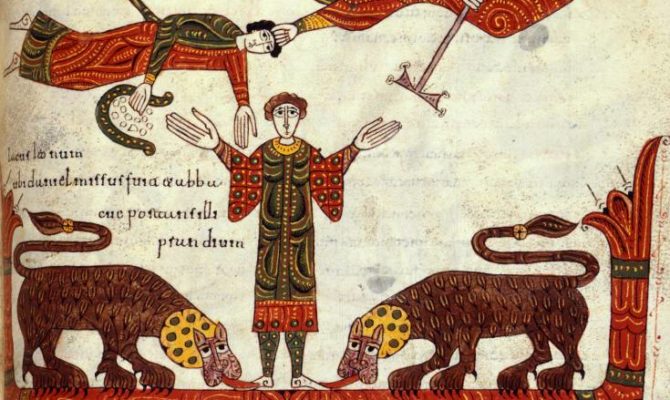
06-01-10 LISTN The Play of DanielI have two ver­sions of this well known medieval piece, which is impor­tant both from a lit­er­ary and a musi­cal point of view. Euro­pean dra­ma evolved, in the Mid­dle Ages, from the litur­gy of the Church. What began as the mod­est elab­o­ra­tions on the cer­e­mony of the mass even­tu­ally led, by slow incre­ments of change, to Ham­let. Sim­i­larly, the sim­ple mono­phonic chant of the mass was the acorn from which opera, sym­phony and con­certo grew. In both aspects, it was the neces­sity to enter­tain the audi­ence, rather than God, that pushed the process. Read more »

(C. S. Lewis) The Chronicles of Narnia: The Magician’s Nephew

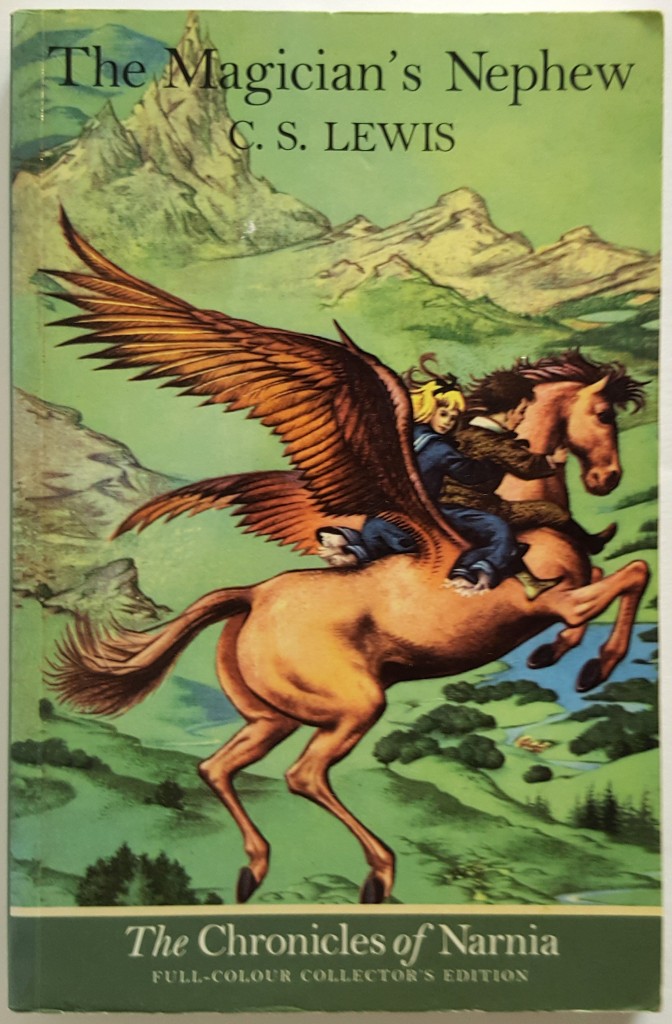
06-01-09 READ (C. S. Lewis) The Chronicles of Narnia The Magician's NephewI found myself real­ly enjoy­ing this book, which is first in the sto­ry chronol­ogy of the Nar­nia books, but the last to be writ­ten. Last month, I read a biog­ra­phy of C. S. Lewis, and the man’s per­sonal life was fresh in my mind. One thing is clear: Lewis despised and resent­ed the British class sys­tem as much as George Orwell did, and it comes across strong­ly in this book. He also shared Orwell’s hatred for his Pub­lic School expe­ri­ence. In the char­ac­ter of the Magi­cian, who is mer­ci­lessly flayed with sharp lit­tle razor-cuts that a child can eas­ily decode, he demon­strates his loathing for the amoral tech­nocrats whom he obvi­ously felt were tak­ing over the world. Lewis and Orwell form an inter­est­ing pair to com­pare. They both wrote scathing denun­ci­a­tions of total­i­tar­i­an­ism, both in adult sci­ence fic­tion and children’s fan­tasy. Yet, by the ide­o­log­i­cal con­ven­tions of the time, they were sup­posed to be ene­mies of each oth­er. Orwell wrote rather snide­ly of Lewis’s radio broad­casts. How­ever, they pret­ty much feared and opposed the same things. Where Orwell thought he could fight those things with per­sonal hon­esty and a humane, sec­u­lar, demo­c­ra­tic social­ism, Lewis some­how man­aged to see the same val­ues in a kind of car­toon ver­sion of the Church of Eng­land. His ver­sion of Protes­tant Chris­tian­ity will be rather hard for fun­da­men­tal­ist protes­tants in the Unit­ed States to deal with, if they exam­ine it close­ly, and I won’t be sur­prised if the Nar­nia films end up caus­ing con­fu­sion and dis­ar­ray among them. Those raised in the easy-going protes­tant church­es that dom­i­nate in Cana­da will feel more at home with it.

The series as a whole shifts in sen­ti­ment and style from one vol­ume to anoth­er. One thing I noticed is that, as he puts basic ideas of Chris­tian­ity into the form of a fable, the very process of doing so brings out the log­i­cal prob­lems inher­ent in those beliefs. Is Aslan the one deity, the shad­ow of a deity, or mere­ly the agent of a deity? If Aslan has all this pow­er, why does he seem to use it so incon­sis­tently and capri­ciously? Why, in fact, is the White Queen able to get away with any of her dirty deeds if she is not a pow­er in some way com­pa­ra­ble to the good pow­er? The implied solu­tions in the fan­tasy are def­i­nitely not ortho­dox Chris­t­ian doc­trine. It would be impos­si­ble to make sat­is­fy­ing fan­tasy fic­tion of any that were. Lewis would almost cer­tainly have found him­self burned as a heretic in any world actu­ally con­trolled by the Church that held his alle­giance. In this, he is like most lit­er­ary con­verts to some tra­di­tional faith. Lewis was an ardent non-believ­er and cyn­i­cal “ratio­nal­ist” for the first half of his life, of pre­cisely the kind that you just know is head­ed for con­ver­sion to piety. But such types almost always end up writ­ing up a faith of doubt­ful ortho­doxy, no mat­ter how des­per­ately they want to belong to what they pre­vi­ously despised and now embrace. 

But ortho­dox or not, Lewis’ ver­sion of Chris­tian­ity is def­i­nitely humane. He hat­ed cru­elty, hypocrisy, snob­bery and greed. He thought that a sense of the mirac­u­lous and the accep­tance of faith would work against those things. I doubt this myself, but I can see why his hopes led him in that direction.

Chil­dren who read the series will not nec­es­sar­ily find them­selves con­verted to Chris­tian­ity, but, hope­fully, they will at least learn that it’s not right to betray your friends to get some turk­ish delight.

14522. (Madeleine L’Engle) A Wrinkle in Time

For some strange rea­son, I nev­er read the Madeleine L’Engle books when I was young. I knew about them. They were in every library, and peo­ple I knew had read them. They were high­ly thought of. I real­ly don’t know why I didn’t check them out. Well, I was def­i­nitely miss­ing some­thing. The prose of A Wrin­kle in Time is delight­ful. The book deals with inter­est­ing ideas, pre­sented in a man­ner that chil­dren can under­stand, but only if they are will­ing to stretch their minds a bit. At it was writ­ten, none of these ideas were embed­ded in pop­u­lar cul­ture, as they are today. I would rank A Wrin­kle in Timewith the best Hein­lein juve­niles as books that respect a child’s intel­li­gence and treat the read­er with­out con­de­scen­sion. I’m sor­ry I missed out. 

(Robert Paine –ed.) Patrons and Brokers in the East Arctic

An un-named Naskapi family at DAvis Inlet, Labrador, 1961. [Photo by Barbara Hinds, a Halifax journalist]

An un-named Naskapi fam­i­ly at Davis Inlet, Labrador, 1961. [Pho­to by Bar­bara Hinds, a Hal­i­fax journalist]

Read more »